
Growing Awareness among Construction Companies, Policymakers, and Consumers Regarding the Environmental Impact of Construction Activities Anticipated To Drive Europe and North America Construction and Demolition Waste Market Share
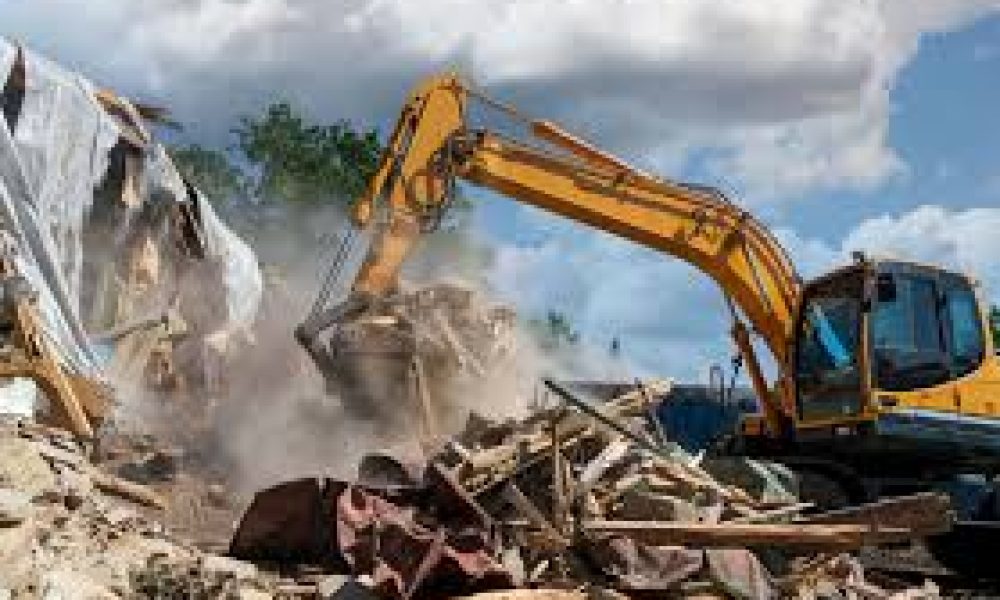
Construction and Demolition (C&D) waste refers to the materials and debris generated from construction, renovation, and demolition activities related to buildings, infrastructure, and other structures. C&D waste is one of the largest waste streams globally, encompassing a broad range of materials such as concrete, wood, metal, drywall, glass, and asphalt.
The amount and composition of C&D waste vary depending on the scale of the project and the types of materials used in construction. With the global construction industry continuously growing, the generation of C&D waste is expected to increase, making it a significant environmental and logistical challenge.
As per the report published by Transparency Market Research, the Europe’s and North America’s construction and demolition waste market size was worth US$ 32.2 Bn in 2022 and is expected to reach US$ 49.4 Bn by the year 2030 at a CAGR of 4.5 % between 2023 and 2031.
Europe’s and North America’s Construction and Demolition Waste Market Overview
The Construction and Demolition (C&D) waste market in Europe and North America has become an increasingly vital sector due to the growing emphasis on sustainability, resource conservation, and environmental responsibility. One of the primary benefits of recycling C&D waste is the reduction in the consumption of raw materials. By reusing materials such as concrete, wood, metals, and asphalt, significant cost savings can be realized in the construction process.
For More Details, Request for a Sample of this Research Report: https://www.transparencymarketresearch.com/sample/sample.php?flag=S&rep_id=85952
Furthermore, recycling helps reduce the burden on landfills, alleviating the environmental concerns associated with waste disposal. C&D waste materials such as recycled concrete aggregate (RCA), wood, and metals can be repurposed for use in new construction projects, thus contributing to the development of more sustainable and eco-friendly infrastructure. These benefits have made C&D waste recycling an essential component of green building practices and circular economy initiatives in both – Europe and North America.
In terms of application, the recycled materials derived from C&D waste find their use in a variety of construction-related activities. Recycled concrete is commonly used as aggregate in road construction, foundations, and pavements. Wood is repurposed for flooring, furniture, or energy generation in biomass plants.
Metals like steel and copper are easily recyclable and used in the production of new metal products, helping conserve natural resources and reduce emissions from raw material extraction. These materials are also used in sustainable building projects, where the demand for green and energy-efficient structures continues to rise. The application of C&D waste in construction not only reduces the environmental impact but also opens up new economic opportunities by creating jobs in the recycling and waste management sectors.
In both – Europe and North America, there has been a significant push toward stricter environmental regulations concerning waste management and recycling. Government policies aimed at reducing landfill waste, promoting recycling, and encouraging the reuse of construction materials have been pivotal in accelerating the adoption of C&D waste recycling.
For instance, the European Union’s Circular Economy Action Plan and various local government initiatives in North America are pushing for more sustainable practices in construction, including mandatory recycling and waste diversion targets for construction projects. These regulatory frameworks are creating a more favorable environment for the growth of the C&D waste market by incentivizing waste recycling and the use of recycled materials in construction.
There is a growing awareness among construction companies, policymakers, and consumers regarding the environmental impact of construction activities. The demand for sustainable building materials and green construction practices is on the rise, particularly in Europe and North America, where eco-friendly initiatives are more widely adopted. The increasing demand for “green” buildings, which use recycled materials and sustainable resources, is directly benefiting the construction and demolition waste market.
Furthermore, LEED (Leadership in Energy and Environmental Design) certification and similar green building standards are encouraging construction companies to incorporate recycled materials into their projects to meet sustainability criteria.
Advances in recycling technologies such as improved sorting, separation, and processing methods have made it more efficient and cost-effective to recycle C&D waste. Innovations in machinery and automation are enhancing the ability to recover a wider variety of materials, including mixed debris that was previously difficult to separate.
For example, new sorting technologies have enabled the separation of different types of metals, concrete, and wood, increasing the amount of material that can be recycled. As these technologies evolve, they contribute to the expansion of recycling capacity, enabling construction companies to manage waste more effectively and sustainably.
The financial advantages of recycling C&D waste are also contributing to the growth of the market. Recycling helps reduce disposal costs, especially with rising landfill fees and the transportation costs associated with hauling waste. Additionally, recycled materials are often cheaper than virgin raw materials, offering construction companies a cost-effective alternative for sourcing building materials. This cost-saving factor, combined with increasing disposal costs, is making C&D waste recycling an attractive option for construction firms looking to improve their bottom line while remaining compliant with sustainability goals.
Both Europe and North America are experiencing rapid urbanization and infrastructure development, leading to a rise in construction and demolition activities. This increase in construction projects, from residential buildings to large-scale infrastructure, has led to a corresponding rise in C&D waste generation.
Governments and companies are recognizing the need to effectively manage this growing waste stream, which is fueling the demand for C&D waste recycling solutions. Additionally, the demand for renovation and retrofitting projects is also contributing to the increase in waste, particularly in urban centers where older buildings are being torn down or remodelled.
Public and private sector initiatives such as incentives for recycling, government-backed grants for waste management infrastructure, and collaboration between construction firms and recycling companies, are further boosting market growth. In some cases, local governments are offering financial incentives to construction companies that meet certain recycling quotas or use recycled materials. These incentives help offset the costs of recycling and further promote the adoption of sustainable waste management practices across the construction sector.
In conclusion, the Europe’s and North America’s C&D waste market is witnessing robust growth driven by regulatory pressure, technological innovation, growing demand for sustainable practices, and economic incentives. As environmental concerns intensify and the construction industry continues to evolve, the adoption of C&D waste recycling will be critical in shaping the future of sustainable construction in these regions.
Europe’s and North America’s Construction and Demolition Waste Market Regional Insights
The Construction and Demolition (C&D) waste market in Europe and North America is experiencing significant growth, driven by a variety of factors ranging from regulatory pressures and sustainability goals to technological advancements in waste management and recycling processes.
As both the regions face growing concerns about environmental sustainability, urbanization, and resource conservation, the demand for effective C&D waste management solutions has increased, making this market a critical component of the broader environmental and construction sectors.
One of the primary drivers boosting the C&D waste market in both – Europe and North America is the increasing emphasis on environmental regulations and sustainability initiatives. In Europe, the European Union’s Circular Economy Action Plan and the Waste Framework Directive set ambitious targets for reducing landfill waste, improving recycling rates, and promoting the reuse of construction and demolition materials.
These regulations are compelling construction companies to adopt more sustainable waste management practices and recycle a higher percentage of C&D waste, which is fueling the demand for recycling and waste processing services.
Similarly, in North America, the growing focus on sustainability in construction and demolition activities is driving construction and demolition waste market growth. Many cities and states in the U.S. have introduced local ordinances and legislation that mandate the recycling or diversion of construction waste from landfills. For example, California has adopted aggressive recycling goals, including a 75% diversion target for C&D waste by 2020. In Canada, provinces like British Columbia have implemented policies to reduce construction waste and promote the reuse of building materials. These regulatory frameworks are encouraging contractors and developers to seek more efficient waste management solutions, thereby boosting demand for recycling technologies and services in both regions.
Prominent Players Operating in Construction and Demolition Waste Market
REMONDIS SE & Co. KG, Veolia, Renewi PLC, FCC Environment, Casella Waste Systems, Inc., Daiseki Co., Ltd., Suez, Kiverco Limited, CDE Global Ltd., Waste Management Inc., TradeBe and others are some of the leading key players operating in the industry.
Recent Developments in Construction and Demolition Waste Market
In August 2022, Re Sustainability announced that it had bagged a contract to recycle 30,000 ton of waste generated from the demolition of Supertech’s twin towers in Noida, India over the next three months. The waste will be converted into construction materials. The twin towers, nearly 100 meters tall, were demolished and over 3,700 kg of explosives were used in the operation.
Europe and North America Construction and Demolition Waste Market Segmentation
- Waste Type
- Wood Waste
- Metal Waste
- Asphalt Waste
- Concrete Waste
- Soil and Stone
- Ceramics Waste
- Gypsum Waste
- Other Waste
- Source
- Construction
- Demolition
- Renovation
- Service
- Recycling
- Landfills
- Application
- Roads & Pavements
- Bridges
- Bulk Fills & Riverbank Protection
- Concrete Manufacturing
- Soil Stabilization
- Drainage Systems
- Others
Explore Our Report for Comprehensive Insights! https://www.transparencymarketresearch.com/europe-and-north-america-construction-and-demolition-waste-market.html
About Transparency Market Research
Transparency Market Research, a global market research company registered at Wilmington, Delaware, United States, provides custom research and consulting services. Our exclusive blend of quantitative forecasting and trends analysis provides forward-looking insights for thousands of decision makers. Our experienced team of Analysts, Researchers, and Consultants use proprietary data sources and various tools & techniques to gather and analyses information.
Our data repository is continuously updated and revised by a team of research experts, so that it always reflects the latest trends and information. With a broad research and analysis capability, Transparency Market Research employs rigorous primary and secondary research techniques in developing distinctive data sets and research material for business reports.
Contact:
Transparency Market Research Inc.
CORPORATE HEADQUARTER DOWNTOWN,
1000 N. West Street,
Suite 1200, Wilmington, Delaware 19801 USA
Tel: +1-518-618-1030
USA – Canada Toll Free: 866-552-3453




