
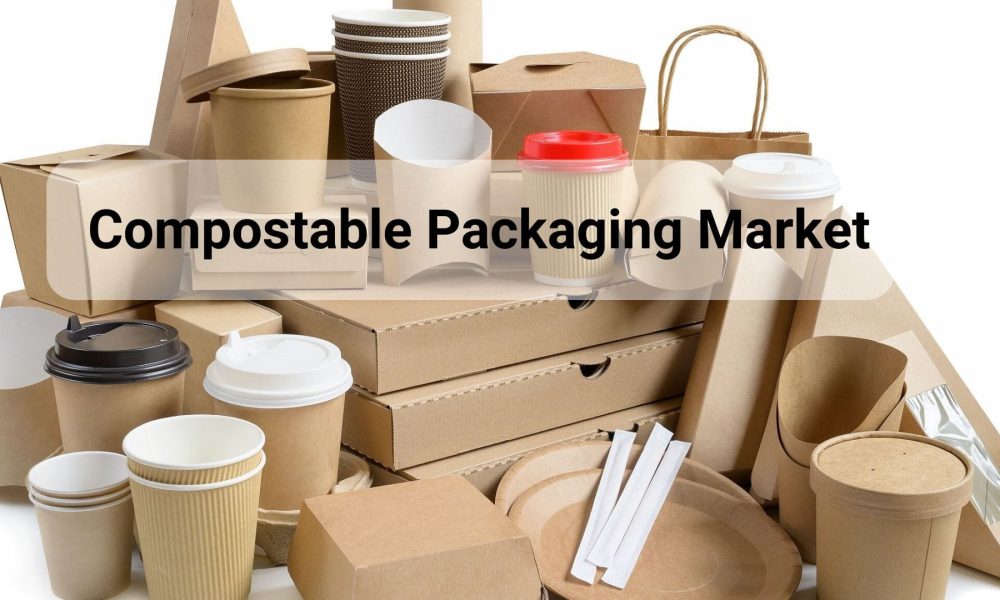
Compostable Packaging Market size is estimated to reach at CAGR of 6.5% during the forecast period 2024-2031
Compostable packaging refers to packaging materials that can decompose into natural elements in a composting environment, leaving no toxic residue. These materials, typically made from plant-based sources such as cornstarch, sugarcane, or cellulose, break down within a specific timeframe under industrial or home composting conditions. Unlike traditional plastics, compostable packaging reduces environmental pollution and supports sustainability.
The Compostable Packaging Market is experiencing significant growth due to increasing environmental concerns, stringent regulations on plastic waste, and rising consumer demand for sustainable alternatives. The market is driven by the expanding food & beverage, e-commerce, and personal care industries, which are adopting compostable packaging to meet sustainability goals. North America and Europe lead the market, fueled by strong government policies and consumer awareness, while Asia-Pacific is emerging as a key region due to rapid industrialization and eco-friendly initiatives. The market is expected to grow at a high CAGR, with innovations in biopolymer technology and corporate sustainability commitments further propelling demand.
Download Free Sample PDF: https://www.datamintelligence.com/download-sample/compostable-packaging-market
Market Growth Drivers:
Growing Environmental Awareness and Demand for Sustainable Packaging in the Food & Beverage Industry
As environmental concerns intensify worldwide, the need for sustainable packaging solutions in the food and beverage industry is accelerating, driven by the global ban on plastic products. The harmful impact of plastic pollution has led to widespread awareness campaigns and policy interventions, prompting industries to seek eco-friendly alternatives. With the food and beverage sector expanding rapidly, the demand for compostable packaging has surged as businesses strive to comply with new regulations and consumer preferences for sustainability.
Governments across the globe have taken decisive steps to curb plastic usage. China, one of the largest plastic consumers, has implemented stringent restrictions on non-biodegradable plastic bags, initially banning their production and use in major cities by 2020, with plans to extend the ban nationwide. Similarly, growing consumer awareness has fueled demand for compostable packaging as a viable alternative. According to the European Bioplastic Organization, global bioplastic production reached 2.114 million tonnes in 2019 and was projected to rise to 2.426 million tonnes in 2020 due to increasing demand from foodservice providers such as restaurants, hotels, food stalls, and retail food suppliers. Government initiatives and corporate sustainability efforts further support the transition toward compostable packaging solutions.
Higher Cost of Compostable Packaging Compared to Plastic Alternatives
Despite the advantages of compostable packaging, its higher cost compared to conventional plastic remains a significant market restraint. Derived from biodegradable and organic raw materials, compostable packaging requires a more complex production process, leading to higher manufacturing costs. Additionally, the quantity of raw materials needed to produce compostable packaging is significantly higher than that required for plastic packaging, further driving up expenses.
These cost constraints pose challenges for manufacturers, particularly small-scale businesses, which struggle to invest in compostable packaging production. The substantial financial burden limits market entry and expansion, reducing overall production and sales. Consequently, while demand for compostable packaging continues to rise, its adoption is hindered by affordability concerns, making cost-effective innovations crucial for the market’s long-term growth.
Market Segments:
By Product: Bags, Clamshells, Pouches & Sachets, Cutlery, Trays, Cups, Plates, Films, Lids, Straws, Bowls, Others
By Material: Paper & Paperboard, Bio-Plastic, Others
By Packaging Type: Primary Packaging, Secondary Packaging, Tertiary packaging
By Distribution Channel: Convenience Stores, Specialty Stores, B2B, E-commerce, Supermarkets/Hypermarkets, Departmental Stores, Others
By End-User: Medical, Personal & Home Care, Electrical & Electronics, Food & Beverages, Automotive, Textile Goods, Agriculture, Chemical, Others
Competitive Landscape
- BASF SE
- Smurfit Kappa
- Mondi
- Futamura Group
- WestRock Company
- Biopak
- Amcor plc
- TIPA Compostable Packaging
- Ultra Green Sustainable Packaging
- Wuxi Topteam Co.Ltd
Customize Your Scope: https://www.datamintelligence.com/customize/compostable-packaging-market
Regional Growth
The increasing global awareness of environmental issues and the growing demand for sustainable packaging in the food and beverage industry are driving the expansion of the compostable packaging market. The ban on plastic products in various regions has accelerated the need for eco-friendly alternatives, particularly in the fast-growing food and beverage sector. Governments worldwide have implemented strict regulations to curb plastic pollution, with China leading major initiatives to reduce single-use plastics. By the end of 2020, China had already banned the production and use of non-biodegradable bags in its major cities, with plans to extend the ban across the entire country. As a result, the demand for compostable packaging has surged, supported by rising consumer awareness and government incentives. According to the European Bioplastic Organization, global bioplastic production reached 2.114 million tonnes in 2019 and was projected to increase to 2.426 million tonnes in 2020, largely due to the shift away from plastic packaging by food service providers such as restaurants, hotels, and retail food suppliers.
Despite its growing adoption, compostable packaging faces a significant challenge due to its higher production costs compared to traditional plastic alternatives. Since compostable materials are derived from biodegradable and organic sources, their manufacturing process is more complex and resource-intensive, leading to higher overall costs. Additionally, the volume of raw materials required to produce compostable packaging is considerably greater than that needed for conventional plastic products, further driving up expenses. This cost barrier makes it difficult for small-scale manufacturers to enter the market, ultimately limiting production and sales. As a result, while the demand for sustainable packaging continues to rise, the higher price of compostable packaging remains a key obstacle to widespread market adoption.
For Detailed Report: https://www.datamintelligence.com/enquiry/compostable-packaging-market




