
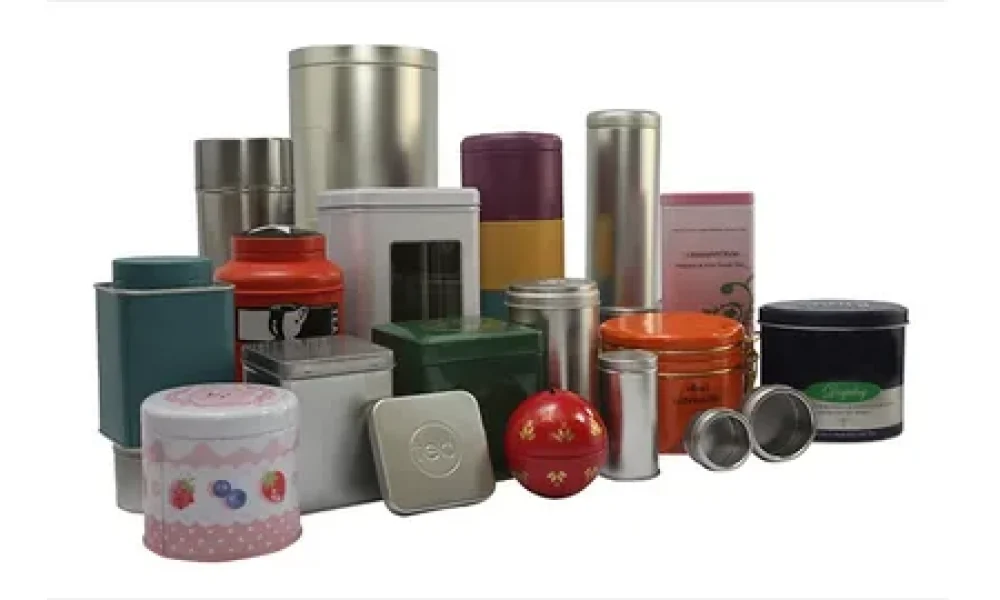
The global composite cans market is set for a dynamic growth trajectory, with its value estimated at USD 5.4 billion in 2025 and projected to rise to USD 8.8 billion by 2035, reflecting a compound annual growth rate (CAGR) of 5.1% over the next decade. The market’s expansion is fueled by increasing adoption in food and beverage packaging, personal care products, and household items, where manufacturers and consumers alike appreciate the durability, convenience, and protective qualities of composite cans.
Composite cans have steadily gained traction as a reliable packaging format, providing product protection, cost-effectiveness, and design versatility. From 2030 to 2035, the market is expected to maintain consistent growth, expanding from USD 6.9 billion to USD 8.8 billion, reflecting rising demand from industries seeking packaging that balances performance with aesthetics.
Driving Forces Behind Market Growth
Several factors are propelling the composite cans market forward. Their lightweight construction and ease of handling make them particularly appealing across food, beverage, and personal care sectors. In emerging markets, evolving consumer preferences, modern retail formats, and increasing urbanization are further stimulating demand.
Manufacturers are responding with expanded production capacities and diversified applications, positioning composite cans as a long-term growth opportunity. As eco-conscious practices become more central to packaging strategies, composite cans—often made from recyclable paperboard and other sustainable materials—offer an environmentally friendly alternative to traditional plastics.
Full Market Report available for delivery. For purchase or customization, please request here:
https://www.futuremarketinsights.com/reports/sample/rep-gb-24686
Segmental Insights
Material: Paperboard Leads
The paperboard segment is projected to account for 60% of the market in 2025, cementing its position as the dominant material choice. Paperboard’s eco-friendly profile, cost efficiency, and printability make it ideal for branding and consumer engagement. By combining paperboard with barrier coatings for moisture, aroma, and oxygen protection, manufacturers can enhance shelf life while maintaining recyclability.
Closure Type: Caps Dominate
Caps are expected to capture 54% of the market revenue, driven by resealability, product protection, and consumer convenience. Innovations in closure design—such as lightweight, recyclable, and tamper-evident options—align with sustainability trends while improving usability. Caps also integrate seamlessly with automated filling lines, supporting high-volume production.
Capacity: 250ml to 500ml Segment Leads
The 250ml to 500ml capacity range is anticipated to account for 28% of market revenue, making it a preferred size for snacks, powdered beverages, and specialty products. Its balance of portability and sufficient serving volume appeals to convenience-focused consumers. The segment also benefits from stackability, transport efficiency, and compatibility with various closure types.
Industry Applications: Expanding Horizons
Composite cans are increasingly chosen across food and beverage, personal care, and household sectors due to their lightweight, durable, and customizable properties. Their adoption in snacks, powdered drinks, coffee, and dairy products reflects their versatility. As manufacturers seek packaging solutions that offer premiumization, branding, and functional convenience, composite cans are emerging as a preferred alternative to metal and rigid plastics.
Trends indicate growing customization and design-focused packaging, with tactile finishes, personalized labeling, and innovative closures enhancing the consumer experience. The cans are evolving beyond simple containment, serving as tools for brand differentiation and marketing on crowded retail shelves.
Regional Growth Dynamics
China: Fastest-Growing Market
The Chinese composite cans market is projected to grow at a CAGR of 6.9%, driven by rising demand for packaged snacks, powdered beverages, and dairy products. Expansion of urban populations, rising disposable incomes, and government initiatives to reduce plastic waste support the growth of lightweight, recyclable packaging. E-commerce has further strengthened demand, as protective cans ensure product integrity during transport.
India: Rapid Expansion
India is expected to grow at 6.4% CAGR, fueled by expansion in the food and beverage sector, increasing disposable incomes, and shifting consumer lifestyles. Innovative can designs and retail expansion in urban areas are driving adoption, while awareness of eco-friendly and cost-efficient packaging supports sustainable growth.
Europe: Steady Demand
Germany’s market is projected to grow at 5.9% CAGR, supported by strict packaging regulations, premium product trends, and innovation in barrier technologies. In the UK, growth is slightly slower at 4.8% CAGR, with demand concentrated in premium food, beverage, and personal care products that emphasize recyclability and decorative packaging.
United States: Stable Growth
The U.S. market is expected to grow at 4.3% CAGR, driven by demand from snacks, frozen foods, and dry beverages. Manufacturers are focusing on enhancing can strength, barrier protection, and recyclability, alongside premiumization trends like decorative labeling and resealable closures. Regulatory emphasis on reducing single-use plastics further supports the adoption of composite cans.
Get the Report Brochure Now:
https://www.futuremarketinsights.com/reports/brochure/rep-gb-24686
Competitive Landscape: Established Leaders and Innovative Players
The market is characterized by a mix of global packaging leaders and agile regional players. Key industry players include:
Sonoco Products Company: A pioneer in composite can production with strong brand equity.
Smurfit Kappa Group plc: Innovator in paper-based solutions, offering global reach and customization.
Mondi Group plc: Balances durability with visual appeal in composite can designs.
Amcor plc: Positions composite cans alongside rigid and flexible packaging in global ecosystems.
Crown Holdings, Inc.: Leverages expertise in metal packaging to expand into composite formats.
WestRock Company: Promotes sustainable paperboard-based solutions.
Irwin Packaging Pty Ltd: Addresses regional and industrial niche markets with custom designs.
Ace Paper Tube: Focuses on cost-effective and flexible solutions for small and mid-size brands.
These companies are investing in recyclability, design innovation, and strategic expansion. Leaders like Sonoco and Smurfit Kappa emphasize premium visual impact and protective performance, while agile players like Irwin Packaging and Ace Paper Tube cater to smaller batch requirements and niche applications.
Outlook: A Sustainable and Innovative Future
The composite cans market is poised for steady growth as manufacturers capitalize on lightweight, durable, and recyclable packaging that aligns with consumer convenience and sustainability goals. Opportunities are particularly strong in emerging economies and in premium, customization-driven applications.
Manufacturers who invest in advanced barrier technologies, innovative closures, and environmentally responsible production are likely to capture significant market share. As consumer awareness of eco-friendly alternatives rises and retail landscapes evolve, composite cans are set to become an integral element of modern packaging strategies, providing value for brands, consumers, and the environment alike.



