
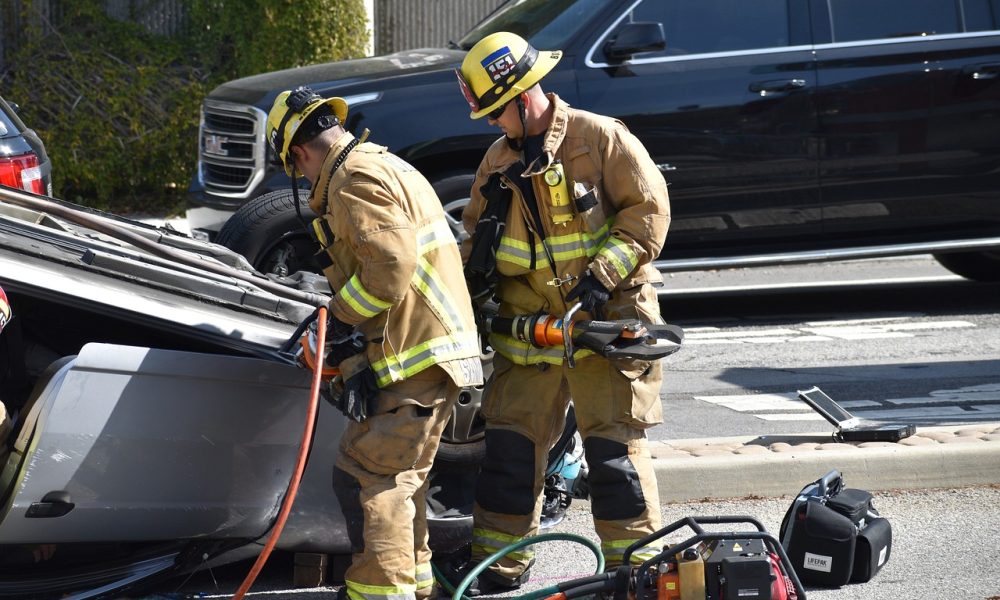
Auto accidents are a persistent public safety concern across Massachusetts, affecting drivers, passengers, cyclists, and pedestrians alike. Despite advances in vehicle safety and traffic enforcement, crashes continue to occur on highways, suburban roads, and dense urban streets. Understanding the most common causes of auto accidents in Massachusetts can help drivers reduce risk, improve decision-making behind the wheel, and recognize when legal guidance may be necessary after a collision.
Massachusetts presents unique driving challenges due to its mix of historic roadways, congested metro areas, variable weather, and high traffic density. The following sections explore the most frequent factors contributing to car accidents throughout the Commonwealth.
Driver-Related Causes of Car Accidents
Human behavior remains the leading contributor to most traffic collisions. Even with modern safety technology, driver error continues to account for a large percentage of crashes in Massachusetts.
Distracted Driving
Distracted driving is one of the most common and dangerous causes of auto accidents. Distractions can be visual, manual, or cognitive, meaning a driver takes their eyes, hands, or mind off the road. Common distractions include texting, using GPS systems, eating, or interacting with passengers.
Massachusetts has enacted strict laws banning texting and handheld phone use while driving, yet distracted driving remains prevalent. Even a momentary lapse in attention can lead to rear-end collisions, lane departures, or pedestrian accidents.
Speeding and Aggressive Driving
Speeding reduces a driver’s ability to react to sudden changes in traffic conditions. In Massachusetts, speeding is particularly hazardous on winding rural roads, congested highways like I-93 and the Mass Pike, and residential streets.
Aggressive driving behaviors—such as tailgating, unsafe lane changes, and road rage—often accompany speeding. These actions significantly increase the likelihood of severe injuries when accidents occur.
Driving Under the Influence
Alcohol and drug impairment remain a serious issue across the state. Driving under the influence of alcohol, prescription medication, or illicit substances slows reaction time, impairs judgment, and reduces coordination.
According to data from the National Highway Traffic Safety Administration, impaired driving continues to be a leading cause of fatal crashes nationwide. Massachusetts enforces strict penalties for DUI offenses, but impaired driving accidents still result in devastating consequences for victims and their families.
Environmental and Roadway Factors
While driver behavior is critical, external conditions also play a major role in Massachusetts auto accidents.
Weather-Related Hazards
Massachusetts experiences all four seasons, and weather-related hazards are a significant factor in many crashes. Snow, ice, freezing rain, and fog can drastically reduce visibility and traction. Even experienced drivers may struggle to maintain control during winter storms or sudden temperature drops.
Rain can be equally dangerous, leading to hydroplaning and longer stopping distances. Drivers who fail to adjust their speed and following distance to weather conditions increase their risk of collision.
Poor Road Conditions
Potholes, uneven pavement, faded lane markings, and inadequate signage can contribute to accidents. Older infrastructure in some areas of Massachusetts may not meet modern safety standards, especially in smaller towns or construction zones.
Work zones deserve special attention, as reduced lanes and sudden traffic pattern changes frequently lead to rear-end and side-impact collisions.
Vehicle-Related Causes of Accidents
Mechanical failures and vehicle defects can also contribute to auto accidents, sometimes in combination with other factors.
Brake and Tire Failures
Faulty brakes and worn or underinflated tires reduce a vehicle’s ability to stop or maneuver safely. Tire blowouts at highway speeds are especially dangerous and often result in loss of control.
Regular vehicle maintenance is essential, particularly before long trips or during seasonal transitions when weather conditions change rapidly.
Defective Vehicle Components
In some cases, accidents are caused by defective vehicle parts, such as malfunctioning airbags, steering systems, or electrical components. When a defect plays a role in a crash, liability may extend beyond the driver to manufacturers or distributors.
Massachusetts Traffic Patterns and Urban Challenges
The state’s traffic density and layout create additional risks for motorists.
Congested Urban Areas
Cities like Boston, Cambridge, and surrounding communities experience heavy congestion, complex intersections, and high pedestrian activity. Stop-and-go traffic increases the likelihood of rear-end collisions, while cyclists and pedestrians face heightened risks from inattentive drivers.
Inexperienced and Out-of-State Drivers
Massachusetts roads are frequently used by tourists, college students, and out-of-state drivers who may be unfamiliar with local traffic laws, rotary intersections, or narrow streets. Inexperience and confusion can lead to sudden stops, improper turns, and failure to yield.
Legal and Safety Considerations After an Accident
Understanding the causes of auto accidents is important not only for prevention but also for determining responsibility after a crash.
Comparative Negligence in Massachusetts
Massachusetts follows a modified comparative negligence rule. This means an injured party can recover compensation as long as they are not more than 50% at fault for the accident. However, compensation is reduced by the percentage of fault assigned to them.
Establishing the cause of an accident is therefore critical in insurance claims and potential legal actions.
When Legal Guidance May Be Helpful
Accidents involving serious injuries, disputed liability, or multiple parties can quickly become complex. Victims often seek guidance from experienced legal professionals to navigate insurance claims, medical expenses, and potential litigation.
For those seeking local representation, Peabody car accident lawyer from Jason Stone can provide insight into Massachusetts traffic laws and accident claims.
You can also learn more about the firm’s background through this legal directory, which outlines professional credentials and areas of practice.
Preventing Auto Accidents in Massachusetts
While not all accidents are avoidable, drivers can reduce their risk by adopting safer habits:
- Eliminate distractions and stay focused on the road
- Adjust speed for traffic and weather conditions
- Maintain vehicles regularly
- Avoid driving while fatigued or impaired
- Stay informed about state traffic laws and safety recommendations from organizations like the National Highway Traffic Safety Administration
Conclusion
Auto accidents in Massachusetts result from a combination of driver behavior, environmental conditions, vehicle issues, and traffic patterns unique to the state. By understanding these common causes, drivers can take proactive steps to protect themselves and others on the road. When accidents do occur, recognizing the underlying factors is essential for addressing legal, financial, and safety concerns in the aftermath.