
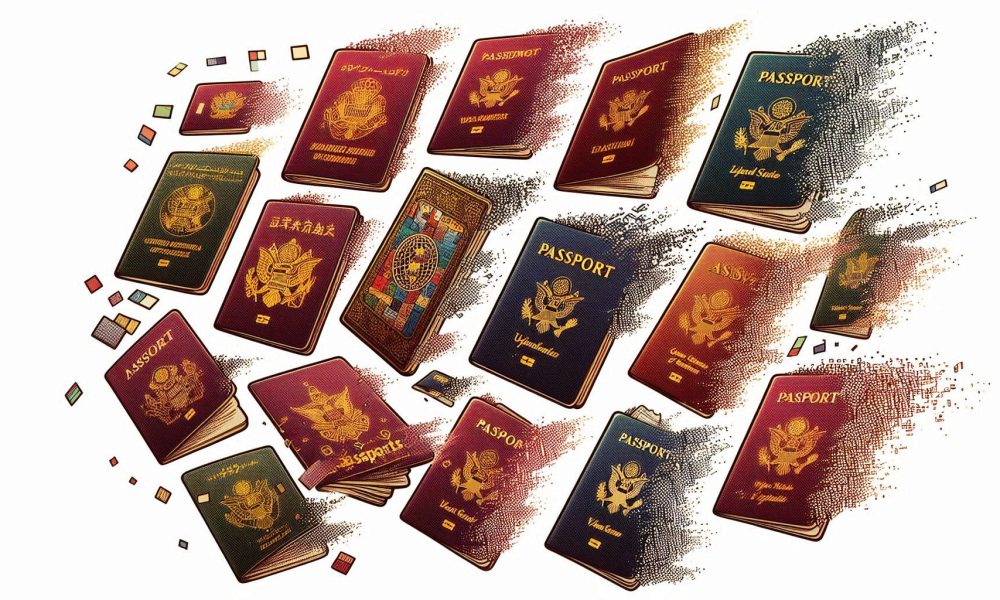
Vancouver, British Columbia — July 24, 2025 — In a world increasingly driven by digital surveillance, financial transparency mandates, and intergovernmental data-sharing agreements, the intersection between offshore banking and legal identity change is more critical than ever for those seeking financial freedom and personal reinvention. Amicus International Consulting, a global leader in second citizenship, privacy law, and identity transformation, releases its latest deep-dive analysis: “Combining Offshore Banking With Identity Change.”
This comprehensive report examines how lawful identity changes—such as a name change, second citizenship, or residency—can be combined with robust offshore financial strategies. The goal is to protect assets, secure personal privacy, and open the door to renewed opportunity.
Why Offshore Banking and Identity Change Go Hand-in-Hand
Modern offshore banking is no longer the shadowy practice it once was. Today, it is a legitimate financial planning tool used by investors, entrepreneurs, and expatriates to diversify holdings and manage risk. When combined with a legal identity change, it allows for:
Greater separation from past financial or reputational liabilities
Fresh compliance profiles in financial institutions
Broader geographic diversification
Protection against currency volatility and legal exposure
Enhanced ability to manage assets across borders
This combination is beneficial for:
Professionals recovering from reputational damage
Entrepreneurs with previous business closures
High-net-worth individuals seeking privacy
Survivors of domestic or financial abuse
Individuals relocating for security or personal rebirth
Step 1: Establishing a New Legal Identity
Before offshore accounts can be created under a new identity, a legal name change or new citizenship/residency must be executed appropriately. This may involve:
Court-ordered name change in the current jurisdiction
New citizenship through economic Investment, ancestry, or Naturalization
Residency programs that issue national IDs (e.g., Paraguay, Panama, Portugal)
Once new identity documents (such as passports, IDs, and tax certificates) are issued, they become the foundation for offshore Know Your Customer (KYC) processes.
Case Study: Rebuilding After Bankruptcy in Europe
In 2021, a French entrepreneur filed for bankruptcy following the failure of a venture. With press coverage tarnishing his creditworthiness and professional standing, he legally changed his name in Belgium and then secured a residency in Uruguay. He opened new offshore accounts in Mauritius and the Cayman Islands under his new identity, allowing him to invest, rebuild wealth, and relaunch his business under compliant but distinct credentials.
Step 2: Selecting the Right Offshore Jurisdiction
Each jurisdiction has unique advantages when it comes to banking secrecy, asset protection, and ease of opening under new identity credentials.
Top Offshore Banking Jurisdictions for Identity Resets
Switzerland: Offers premier private banking services with strong data security laws.
Cayman Islands: No direct taxation and flexible structures for individuals and corporations
Mauritius: Friendly banking system for expats and global entrepreneurs
Georgia: Low regulation, easy personal and business account setup
Singapore: High stability and world-class financial services
Belize: Low-cost entry and protective banking laws
Panama: Strong financial privacy, especially when paired with the Friendly Nations Visa
All banks in these regions adhere to international AML (Anti-Money Laundering) standards, which require the identity and origin of funds to be verifiable and lawful.
Case Study: The Tech Nomad Who Rebooted in Georgia
After a cybersecurity breach linked her old identity to compromised data, an American software developer changed her name legally and relocated to Georgia. With her new passport and clean digital trail, she opened accounts in Tbilisi to manage crypto consulting revenues. Her offshore setup included EUR, USD, and BTC sub-accounts—fully compliant, yet protected from association with past data leaks.
Step 3: Opening Offshore Accounts With a New Identity
Once documents are secured, Amicus coordinates with banks to ensure a smooth onboarding process. Required documents typically include:
Valid passport (in new name)
Proof of address (utility bill, rental contract)
Source of funds documentation
Tax residency certificate
Professional reference (sometimes)
For clients relocating or restructuring identity, Amicus provides:
Apostille services for all identity documents
Certified translations if required
Pre-screened introductions to private bankers
Legal affidavits and declarations when explaining identity history are necessary for compliance
Case Study: Executive in Transition Finds Safety in Belize
In 2023, a Canadian executive departed a firm amid a hostile corporate takeover. Concerned about privacy and personal security, he changed his name legally and gained St. Lucia citizenship through Investment. Amicus helped him open an account in Belize under his new name and citizenship, protecting his severance and early retirement investments from exposure during legal proceedings.
Step 4: Asset Structuring Under New Identity
Changing one’s legal identity doesn’t mean starting from zero—it means lawfully realigning ownership structures. Offshore tools that help maintain asset integrity include:
IBC (International Business Companies): Registered in Belize, BVI, Seychelles, etc.
Foundations: Used in Panama and Liechtenstein for legacy protection
Trusts: Used for wealth transfer and creditor protection
Crypto custody solutions: Hosted in jurisdictions like Switzerland or Singapore
All entities can be established using new identity documents, allowing the individual to appear as a director, shareholder, or beneficiary under a lawful, new legal status.
Case Study: Transgender Investor Rebuilds in Panama
In 2022, a transgender woman completed her gender and name transition in Canada. To ensure continuity of her investments and inheritance planning while respecting her new identity, Amicus helped her create a Panamanian foundation under her new legal name and female designation. Offshore accounts and real estate were placed in the foundation—affirming both legal and identity privacy.
Step 5: Tax Residency and Compliance
A new identity is not a means of avoiding tax—it’s an opportunity to realign global residency and reporting obligations. Offshore banking works best when paired with:
Establishment of a new tax domicile (e.g., Uruguay, Panama, UAE)
Deregistration from prior tax authorities (where applicable)
Lawful declaration of offshore accounts under CRS or FATCA (as required)
Use of territorial taxation systems for reduced global exposure
Amicus ensures all clients operate under legitimate tax plans supported by local attorneys and accountants.
Case Study: Musician Chooses Tax Residency in Portugal
A Latin American musician with notoriety in his home country changed his name legally and gained Portuguese residency through the D7 visa. With a clean brand and new identity, he opened offshore accounts in Switzerland and Monaco to receive royalties. Amicus ensured all earnings were declared under Portugal’s Non-Habitual Resident tax regime, creating a low-tax, high-privacy lifestyle.
Step 6: Maintaining Anonymity With Legal Integrity
At Amicus International Consulting, we emphasize that identity change and offshore banking must always be conducted lawfully. We do not support:
Tax evasion
Fraudulent identity creation
Money laundering
Hiding assets from creditors or courts
Instead, we offer:
Legitimate name and identity changes
Citizenship and residency by Investment
Transparent offshore structuring
Compliant international banking onboarding
Continuous reporting and compliance advisory
Key Myths Debunked
“Offshore banking is illegal.” Not true. It’s legal when declared and structured correctly.
“New identity = new life with no consequences.” False. Compliance still follows your legal footprints.
“I can erase my past instantly.” False. Identity change is a process that requires planning and legal clarity.
“CRS/FATCA doesn’t apply with a new passport.” False. Tax residency, not nationality, determines reporting obligations.
Why Clients Combine Offshore Banking and Identity Change
Reduce public exposure in hostile legal or political environments
Escape financial persecution or reputational damage
Create Investment continuity during personal transitions
Rebrand as part of lifestyle change (e.g., gender, profession, divorce)
Protect family assets during relocation or litigation
Build global businesses under a new corporate identity
Case Study: Offshore Entrepreneur Restarts After Divorce
A U.S. entrepreneur entangled in a contentious divorce feared his assets would be targeted. After legally changing his name in a separate jurisdiction, he opened new companies and bank accounts in Singapore. Amicus facilitated the legal transfer of non-marital assets into an offshore foundation under a new identity, safeguarding his financial legacy while complying with all applicable disclosure laws.
How Amicus Helps Clients Achieve This Strategy
Amicus International Consulting offers comprehensive, discreet, and compliant services that include:
Legal name and gender change coordination
Passport and national ID reissuance
Citizenship and residency acquisition
Offshore account opening and document preparation
Corporate formation under a new identity
Asset protection structuring
FATCA/CRS alignment and reporting solutions
Secure document storage and encryption solutions
We work with vetted attorneys, bankers, and notaries across more than 50 countries.
Conclusion: Privacy and Opportunity Begin With Legal Planning
The path to personal and financial freedom often begins with difficult decisions: severing ties to the past, changing your identity, and placing your assets beyond the reach of harm—but not beyond the law.
When executed lawfully and with guidance, combining offshore banking with identity change provides a strategic reset, empowering individuals to protect their wealth, reclaim their dignity, and control the narrative of their lives.
At Amicus, we believe privacy is not about secrecy—it’s about autonomy. Your future begins when your identity and your finances align with your values, security needs, and global ambitions.
Contact Information
Phone: +1 (604) 200-5402
Email: [email protected]
Website: www.amicusint.ca




