
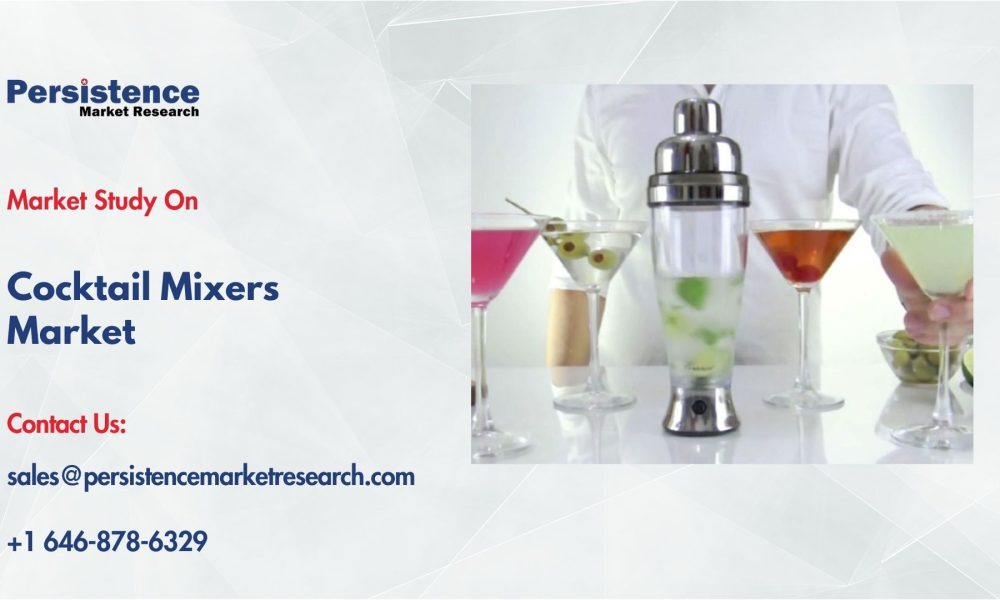
The global cocktail mixers market is poised for remarkable growth over the next decade, underscoring the shifting dynamics of consumer preferences and the rapid expansion of premium beverage culture. Valued at US$ 10.6 Bn in 2024, the market is projected to reach US$ 17.2 Bn by 2031, expanding at a CAGR of 7.1% during the forecast period. The upward trajectory of this market is fueled by several macro and microeconomic factors. Increasing urbanization, the rise of cocktail culture among millennials and Gen Z, the growing popularity of premium and craft beverages, and the expansion of the global hospitality sector are significant contributors to demand growth. Additionally, home entertainment trends, particularly post-pandemic, have amplified the demand for ready-to-use mixers, enabling consumers to recreate bar-like experiences at home.
Another major driver is the consumer shift towards healthier beverage options. With rising health awareness, many consumers are opting for low-sugar, natural ingredient-based mixers, which has prompted companies to innovate and diversify their portfolios. Further, the emergence of alcohol-free or low-alcohol cocktails has significantly expanded the addressable consumer base, appealing to a segment that prioritizes moderation without compromising on taste.
What is fueling the growth of the cocktail mixers market globally?
The global cocktail mixers market is being driven by evolving consumer lifestyles, increasing preference for premium and authentic experiences, and the growing availability of mixers across online and offline channels. Rising disposable incomes, particularly in emerging economies, are also allowing consumers to explore luxury and lifestyle-oriented products such as cocktail mixers. Moreover, product innovations with natural ingredients, low-sugar formulations, and exotic flavor profiles are attracting health-conscious consumers, further propelling market demand.
The market growth is primarily fueled by urbanization, the rise of cocktail culture among younger demographics, and innovations catering to health-conscious consumers. Additionally, the proliferation of e-commerce platforms has broadened product accessibility, driving steady growth across both developed and emerging regions.
Receive Sample of Research Report @ https://www.persistencemarketresearch.com/samples/35002
Segmentation Analysis
The cocktail mixers market is segmented on the basis of type, product/application, and distribution channels.
By Type: The market is broadly divided into tonic water, soda water, syrups, juices, and other specialty mixers. Among these, tonic water continues to dominate the segment owing to its widespread use in popular cocktails such as gin and tonic. However, syrups and juices are witnessing faster adoption rates, fueled by rising demand for flavored cocktails and non-alcoholic alternatives. Consumers are increasingly inclined toward exotic fruit flavors, artisanal syrups, and herbal-infused options, which are expanding the appeal of this segment.
By Product/Service Type: Ready-to-drink mixers and concentrated bases are two distinct product categories shaping the market landscape. Ready-to-drink mixers have surged in popularity due to their convenience, enabling consumers to prepare cocktails instantly without requiring extensive bartending knowledge. On the other hand, concentrated bases are preferred by professional bartenders and hospitality establishments, offering flexibility in customizing cocktails. Both segments are expected to witness strong growth, although ready-to-drink solutions are anticipated to register a faster CAGR, particularly in retail and e-commerce-driven sales.
By Distribution Channel: Offline retail continues to hold a prominent share due to established networks of supermarkets, hypermarkets, and specialty liquor stores. However, the e-commerce channel is emerging as a strong growth driver, with digital platforms offering consumers an extensive range of choices, doorstep delivery, and subscription-based cocktail kits. Increasing consumer reliance on online shopping, particularly in the post-COVID era, is expected to further boost this channel’s contribution to market revenues.
Regional Insights
North America currently dominates the global cocktail mixers market, driven by the strong cocktail culture in the United States and Canada, the widespread presence of hospitality chains, and high consumer disposable income. The region’s penchant for premiumization and craft beverage trends continues to bolster growth. Europe follows closely, with significant demand originating from the United Kingdom, France, Spain, and Italy, where both alcoholic and non-alcoholic cocktail trends are deeply rooted in social culture.
Asia-Pacific, however, is anticipated to be the fastest-growing region during the forecast period. Rapid urbanization, rising incomes, and an increasing inclination toward Western dining and drinking culture are key growth accelerators. Markets such as China, India, and Southeast Asian nations are witnessing a surge in cocktail consumption, particularly among urban millennials. Moreover, the expansion of international bar chains and local innovation in flavors suited to regional preferences are expected to boost demand in this region.
Unique Features and Innovations in the Market
Modern cocktail mixers are being increasingly differentiated by their unique features and innovations. Manufacturers are focusing on natural ingredients, reduced sugar content, and the incorporation of exotic botanicals to meet evolving consumer demands. Functional mixers infused with vitamins, herbs, or adaptogens are emerging as a new trend, catering to wellness-conscious consumers.
Technological advancements such as AI-driven flavor analysis, IoT-enabled production monitoring, and data-driven consumer insights are revolutionizing product innovation. For instance, companies are utilizing AI to track flavor preferences and predict upcoming trends, enabling the development of niche, consumer-centric mixers. The integration of sustainable packaging solutions and 5G-enabled supply chain efficiencies is further enhancing the overall market ecosystem.
Market Highlights
Key factors propelling adoption include the growing consumer demand for convenience, authenticity, and premium experiences. Cocktail mixers are increasingly seen as essential components of modern lifestyle choices, allowing individuals to replicate professional-grade cocktails at home. Additionally, stringent regulations around labeling and ingredient transparency are fostering consumer trust and driving preference for branded, premium-quality mixers.
Cost reduction in large-scale production and sustainability-focused initiatives, such as recyclable packaging and ethically sourced ingredients, are also influencing purchase decisions. As consumers grow more environmentally conscious, companies that demonstrate commitment to sustainability are witnessing stronger brand loyalty.
Do You Have Any Query or Specific Requirement? Request Customization of Report: https://www.persistencemarketresearch.com/request-customization/35002
Key Players and Competitive Landscape
The global cocktail mixers market is highly competitive, with a mix of established players and emerging brands vying for market share. Leading companies are leveraging strategies such as product innovations, strategic partnerships, mergers, acquisitions, and regional expansions to consolidate their positions.
Fever-Tree continues to dominate with its premium tonic waters and global expansion strategy, particularly in Europe and North America. The Coca-Cola Company has strengthened its footprint through premium mixer offerings tailored to the hospitality sector. Keurig Dr Pepper remains a prominent player with its diverse soda-based mixers, leveraging its extensive distribution networks. Thomas Henry and East Imperial have carved strong niches in the premium mixer category, emphasizing natural ingredients and artisanal formulations. Emerging brands are increasingly adopting direct-to-consumer (D2C) models, focusing on e-commerce channels and personalized subscription services.
Outlook
The future of the cocktail mixers market looks promising, supported by rising demand for convenience, personalization, and premium-quality experiences. Technological innovations, health-focused formulations, and sustainability-driven practices will play a pivotal role in shaping the industry. Moreover, the ongoing expansion of the global hospitality sector and the continued popularity of home mixology are set to provide ample growth opportunities for both established and emerging players.
As regulations evolve to emphasize ingredient transparency and consumer safety, companies that align their strategies with these trends will be best positioned to capture market share. The combination of innovation, premiumization, and sustainability will define the next phase of growth for the cocktail mixers market.
Explore the Latest Trending Research Reports:




