
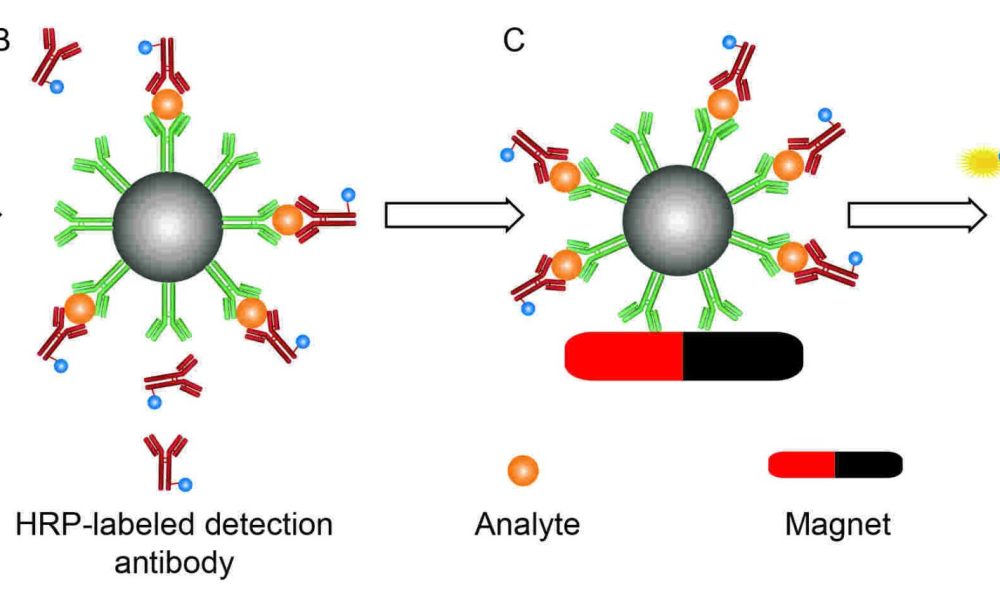
The global chemiluminescence immunoassay (CLIA) market is experiencing robust growth, fueled by the increasing prevalence of chronic and infectious diseases, as well as expanding healthcare infrastructure worldwide. CLIA technology, which combines chemiluminescence with immunoassay principles, enables highly sensitive, rapid, and accurate detection of biomarkers, making it indispensable in modern clinical diagnostics. Hospitals, diagnostic laboratories, and reference centers are increasingly relying on automated CLIA platforms to streamline workflows, reduce human error, and accelerate turnaround times for tests in oncology, endocrinology, cardiology, autoimmune diseases, and infectious disease monitoring. Continuous technological innovations in reagent quality, assay sensitivity, and high-throughput automation are further enhancing laboratory efficiency, while AI-assisted result interpretation and integrated laboratory information systems are supporting advanced diagnostic decision-making. The global CLIA market is estimated to grow from US$ 13.4 billion in 2026 to US$ 22.0 billion by 2033, reflecting a compound annual growth rate (CAGR) of 5.8% during the forecast period.
North America leads the chemiluminescence immunoassay market, accounting for 46.7% of global revenue, owing to its advanced healthcare infrastructure, extensive adoption of automated diagnostic platforms, strong reimbursement frameworks, and the presence of several major CLIA system providers. Reagents dominate the product segment due to their recurring demand and essential role in ensuring assay reproducibility and high analytical sensitivity. Among sample types, blood is the most widely used, driven by its critical role in accurate biomarker detection across routine and specialized clinical testing. Meanwhile, Asia Pacific is the fastest-growing region due to rising investments in healthcare infrastructure, increased laboratory installations, and growing government focus on early disease detection and modern diagnostic solutions. Together, these factors create a dynamic and expanding global market landscape for chemiluminescence immunoassays.
Download Your Free Sample & Explore Key Insights: https://www.persistencemarketresearch.com/samples/33248
Key Highlights from the Report
• The global CLIA market is projected to reach US$ 22.0 billion by 2033, growing at a CAGR of 5.8% from 2026.
• North America holds the largest regional share of 46.7%, driven by advanced healthcare systems and automation adoption.
• Asia Pacific is the fastest-growing market due to rapid healthcare infrastructure development and rising disease prevalence.
• Reagents are the leading product segment, reflecting recurring demand and high sensitivity requirements.
• Therapeutic drug monitoring is the largest application segment, emphasizing precision in treatment optimization.
• Hospitals dominate the end-user segment, supported by high testing volumes and integrated diagnostic systems.
Market Segmentation
The chemiluminescence immunoassay market is segmented based on product type, application, and end-user, each contributing to revenue growth through unique demand drivers. By product type, reagents lead the market due to their recurring consumption in every CLIA workflow, including routine testing, high-sensitivity assays, and quality control measures. Consumables, such as sample cups and pipette tips, are experiencing rapid growth, driven by the expansion of multiplex assays and high-throughput automated platforms. Instrumentation, while representing a significant initial investment, continues to gain traction as hospitals and centralized laboratories adopt fully automated analyzers to increase efficiency and throughput.
By application, therapeutic drug monitoring remains the dominant segment, owing to the critical need for accurate drug concentration measurement in optimizing patient treatment and minimizing toxicity. Other applications include infectious disease testing, oncology biomarker detection, endocrinology, cardiology, and autoimmune disorder monitoring, each benefiting from high assay sensitivity and rapid turnaround times. End-user segmentation highlights hospitals as the primary adopters due to large patient inflows, integrated laboratory infrastructure, and centralized diagnostic facilities, while reference laboratories and diagnostic centers continue to expand their adoption of CLIA systems for specialized testing needs.
Regional Insights
Regional trends in the chemiluminescence immunoassay market indicate significant variability in adoption and growth rates across key geographies. North America dominates, particularly the United States, due to its advanced healthcare ecosystem, high disease burden, and widespread automation of laboratory workflows. Favorable reimbursement policies and well-established clinical guidelines further support routine adoption of high-sensitivity CLIA platforms. Europe shows steady growth, driven by strong public healthcare systems, an aging population, and high utilization of diagnostic laboratories in Germany, the U.K., France, Italy, and the Nordic countries. Regulatory compliance, quality assurance standards, and preventive healthcare initiatives sustain consistent market demand.
The Asia Pacific region is witnessing the fastest expansion, primarily due to large populations in China, India, Japan, and Southeast Asia, coupled with rising prevalence of infectious diseases, cancer, cardiovascular, and metabolic disorders. Governments are actively investing in hospital and laboratory infrastructure, modern diagnostic platforms, and personnel training to meet growing clinical demand. Increasing medical tourism in countries such as India, Thailand, and Malaysia also drives demand for reliable, cost-effective diagnostic testing. Meanwhile, Latin America and the Middle East & Africa show moderate growth, supported by increasing laboratory modernization efforts, rising healthcare expenditure, and growing awareness of early disease detection.
Get Custom Insights Designed for Your Business: https://www.persistencemarketresearch.com/request-customization/33248
Market Drivers
The chemiluminescence immunoassay market is propelled by several key drivers, foremost among them the rising prevalence of chronic and infectious diseases globally. Growing adoption of high-throughput, automated CLIA platforms allows healthcare providers to conduct large volumes of tests rapidly and accurately, supporting early disease detection and treatment monitoring. The increasing geriatric population further fuels demand, as older individuals are more susceptible to chronic illnesses requiring frequent monitoring. Hospitals, diagnostic laboratories, and reference centers prioritize reproducibility, accuracy, and rapid turnaround times, boosting the utilization of automated analyzers and high-quality reagents. Additionally, technological advancements such as AI-assisted result interpretation, multiplex assays, and integrated laboratory information systems enhance diagnostic efficiency, accuracy, and workflow optimization, reinforcing the sustained growth of the global market.
Market Restraints
Despite strong growth, several restraints limit market expansion. High initial costs associated with automated analyzers, reagent kits, and laboratory integration remain a significant barrier, particularly for smaller hospitals and mid-sized diagnostic centers. Operational complexity, including calibration, validation, and routine maintenance, requires specialized technical expertise, which may not be readily available across all regions. Regulatory requirements, such as ISO standards, FDA approvals, and CE marking, impose additional documentation, quality assurance, and validation obligations, slowing deployment. Budget constraints and limited reimbursement frameworks in emerging economies further restrict adoption. Integration challenges with existing laboratory workflows, cybersecurity considerations, and continuous staff training add operational and financial burdens, collectively constraining rapid CLIA market penetration.
Market Opportunities
The chemiluminescence immunoassay market presents numerous opportunities, particularly through AI integration, multiplex testing, and expansion into emerging diagnostics markets. AI-driven platforms enhance assay precision, automate result interpretation, and enable predictive analytics for early disease detection. Multiplex immunoassays, allowing simultaneous detection of multiple biomarkers, offer significant time and cost efficiencies for oncology, autoimmune, and infectious disease diagnostics. Emerging economies provide growth potential as governments invest in modern laboratories, automated platforms, and personnel training, while cloud-based data management and modular analyzer designs reduce entry barriers for smaller facilities. Increasing emphasis on personalized medicine, patient-specific monitoring, and rapid diagnostic turnaround further supports adoption of high-sensitivity, automated CLIA systems, enabling manufacturers to capitalize on long-term revenue growth and technological innovation.
Checkout Now & Download Complete Market Report: https://www.persistencemarketresearch.com/checkout/33248
Company Insights
The global chemiluminescence immunoassay market is highly competitive, with key players leveraging global distribution networks, strong brand recognition, and continuous innovation to maintain leadership positions. Leading companies include:
• DiaSorin S.p.A.
• Abbott Laboratories
• Shenzhen Mindray Bio-Medical Electronics Co., Ltd.
• Immunodiagnostic Systems
• Siemens Healthineers
• Beckman Coulter Inc.
• F. Hoffmann-La Roche AG
• Inova Diagnostics, Inc.
• Maccura Biotechnology Co., Ltd.
• Ortho Clinical Diagnostics
• Thermo Fisher Scientific Inc.
Recent developments highlight industry innovation and adoption trends. In January 2026, AIIMS Delhi launched free in-house therapeutic drug monitoring tests for epilepsy patients, enabling safe, effective dosing and reduced treatment toxicity. In January 2025, Anbio Biotechnology introduced the Dry Chemiluminescence Immunoassay (CLIA) Solution ADL-100, providing rapid, accurate, and cost-efficient diagnostic results across diverse clinical settings. These advancements underscore ongoing efforts by manufacturers and healthcare institutions to enhance accessibility, efficiency, and diagnostic accuracy in CLIA testing.
Conclusion
The chemiluminescence immunoassay market is poised for sustained growth, driven by the increasing prevalence of chronic and infectious diseases, expanding laboratory infrastructure, and rising demand for rapid, high-sensitivity diagnostic testing. North America continues to dominate the market due to advanced healthcare systems and strong adoption of automated platforms, while Asia Pacific represents the fastest-growing region fueled by healthcare modernization and population demand. Reagents remain the leading product segment, with hospitals serving as the primary end-user, reflecting recurring testing volumes and integrated diagnostic workflows. Key market drivers include technological advancements, AI integration, and high-throughput immunoassay adoption, while high costs, regulatory compliance, and operational complexity act as constraints. Opportunities abound in multiplex testing, personalized medicine, and emerging markets, enabling companies such as DiaSorin, Abbott, Siemens Healthineers, and Thermo Fisher to strengthen their positions through innovation, strategic partnerships, and expansion. The combination of rising diagnostic needs, technological innovation, and global healthcare investments ensures that the CLIA market will continue to play a central role in modern laboratory diagnostics for years to come.




