
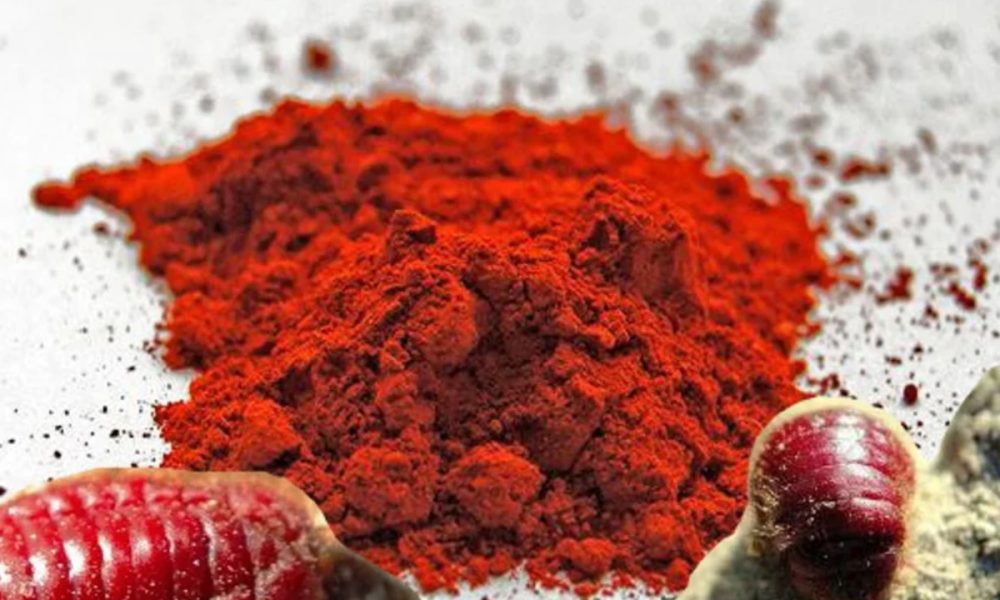
The global carmine color market is on a strong upward trajectory, with its value expected to grow from USD 40.1 million in 2025 to USD 86.6 million by 2035, registering a compound annual growth rate (CAGR) of 8%. Fueled by the increasing shift toward clean-label ingredients and growing applications across bakery, dairy, processed meats, and cosmetics, carmine color is cementing its role as one of the most sought-after natural pigments worldwide.
Request the Full Report or Custom Research Solutions Here: https://www.futuremarketinsights.com/reports/sample/rep-gb-14298
Natural Pigments Powering Industry Growth
Carmine, derived from cochineal insects, is renowned for its vibrant red hue, stability, and wide acceptance in food, beverages, and cosmetics. Its contribution extends beyond the food coloring agents market, holding around 18% of the natural food colors segment, 2.5% of the food additives market, and nearly 4% of the cosmetic colorants market.
The demand surge comes as consumers increasingly reject synthetic dyes in favor of clean-label, natural alternatives. Governments across developing regions are supporting this shift by endorsing safe, natural food additives, boosting confidence among manufacturers and consumers alike.
Regional Leaders: North America and Europe Driving Momentum
The USA is expected to lead the market, growing at a CAGR of 6.9% between 2025 and 2035. With its strong appetite for processed and packaged foods, the country’s demand for FDA-compliant, natural formulations has made it the most lucrative market for carmine suppliers.
Meanwhile, Germany (5.8% CAGR) and France (5.6% CAGR) are maintaining momentum through their robust food processing sectors and premium bakery and dairy industries. In the UK, demand is being driven by stricter regulations on artificial dyes, while Japan is increasingly adopting natural pigments for heat-stable and aesthetically enhanced food products.
Market Segmentation: Conventional Carmine Remains Dominant
By nature, conventional carmine is projected to hold 90% of the market share in 2025. Its dominance stems from affordability, ease of production, and proven performance across high-heat food applications. Although organic carmine is gradually entering premium product lines, its growth is constrained by higher costs and regulatory limitations.
By application, the bakery segment accounts for 19.2% of the market in 2025. From icings and pastries to red velvet cakes and whipped toppings, carmine is indispensable for delivering vibrant, long-lasting colors in baked goods. The surge of artisanal bakeries and online café businesses is further fueling its demand in this segment.
Innovation and Technology Shaping the Future
As consumer expectations evolve, manufacturers are investing heavily in R&D to create heat- and pH-stable carmine variants. Companies are also exploring hybrid alternatives based on beets, radishes, and elderberries to address the ethical concerns of vegan and animal rights communities, while still maintaining the performance advantages of traditional carmine.
Sustainability is emerging as a core theme, with suppliers working to improve eco-friendly insect sourcing and non-GMO certifications. Strategic acquisitions, such as DDW’s purchase of DuPont Natural Colors, highlight the industry’s push toward global expansion and advanced technical expertise.
Opportunities and Challenges Ahead
The future of the carmine color market looks promising, but not without hurdles. Challenges include ethical debates surrounding animal-derived ingredients, regulatory barriers for halal and kosher compliance, and supply fluctuations of cochineal insects. Competition from plant-based alternatives like beetroot and elderberry extracts is also intensifying.
Still, the market’s resilience lies in its unmatched stability and consumer trust in naturally derived solutions. Established manufacturers such as Sensient Colors LLC, Chr. Hansen A/S, Döhler Group, and DDW The Color House continue to innovate, while new entrants and regional suppliers are seizing opportunities in niche applications like cosmetics, pharmaceuticals, and specialty foods.
Country-Wise Insights at a Glance
- USA: Leads global market with 6.9% CAGR; bakery and meat sectors show highest adoption.
- Germany: Demand boosted by organic product lines and R&D in natural ingredients.
- France: Strong demand in dairy and gourmet patisserie; growing use in cosmetics.
- UK: 5.4% CAGR supported by stricter food labeling and growing artisan bakery sector.
- Japan: Focus on shelf stability and heat resistance; rising adoption in premium foods.
Get the Report Brochure Now: https://www.futuremarketinsights.com/reports/brochure/rep-gb-14298
A Market in Transformation
The carmine color market’s future will be shaped by its ability to balance tradition with innovation. While conventional cochineal-derived pigments will continue to dominate, the gradual rise of plant-based alternatives will diversify consumer options. Clean-label preferences, regulatory support, and global expansions by key players will keep the market on a steady growth path.
For both established companies and emerging manufacturers, the next decade presents a compelling opportunity to innovate, expand globally, and meet the rising demand for natural, sustainable, and consumer-trusted colorants.
About Future Market Insights (FMI)
Future Market Insights, Inc. (ESOMAR certified, recipient of the Stevie Award, and a member of the Greater New York Chamber of Commerce) offers profound insights into the driving factors that are boosting demand in the market. FMI stands as the leading global provider of market intelligence, advisory services, consulting, and events for the Packaging, Food and Beverage, Consumer Technology, Healthcare, Industrial, and Chemicals markets. With a vast team of over 400 analysts worldwide, FMI provides global, regional, and local expertise on diverse domains and industry trends across more than 110 countries.



