
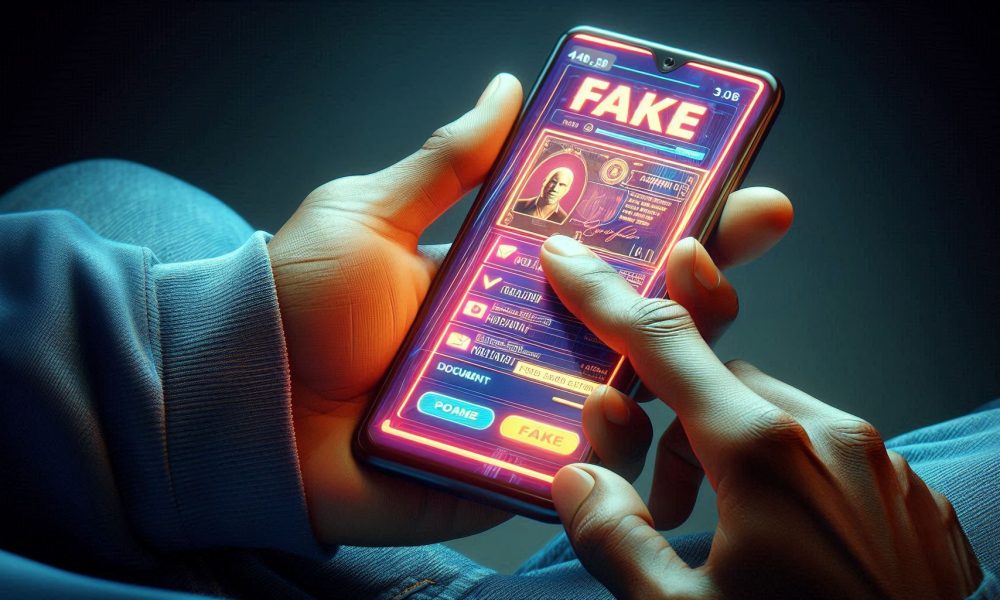
What looks like a secret escape often leads to scams, surveillance, and exposure to criminal activity.
WASHINGTON, DC, April 1, 2026.
The online promise is always similar. Clean papers. A new start. No questions asked. Fast delivery. Privacy guaranteed.
For desperate buyers, that pitch can sound like a door opening. In reality, it is usually a trap.
In 2026, the market for “new identities” sold online is catching the same kinds of people over and over, frightened debtors, fugitives, fraud victims, immigration strugglers, blackmail targets, and ordinary people who have convinced themselves that a set of documents can erase a dangerous life problem. What many of them find instead is a second scam layered atop the first crisis. They lose money, expose their personal data, communicate with criminal intermediaries, and, in some cases, leave a digital trail that is far more damaging than the problem they were originally trying to solve.
The darker truth is that the online identity market survives because it sells emotion before it sells paperwork. Fear. Panic. Shame. Urgency. Hope. Buyers are not usually making a calm procurement decision. They are trying to escape something. That makes them easy to exploit.
The fantasy being sold is stronger than the product itself.
Most online “new identity” offers are not credible because the advertised product is usually impossible in the promised form. A real legal identity change, lawful relocation process, or officially recognized second nationality does not operate like an underground retail checkout page. It involves legal systems, formal records, jurisdictional requirements, and documentation that can withstand scrutiny because it was issued through actual authority.
That is why the illegal market leans so heavily on the language of secrecy. The seller has to make the buyer feel special, hidden, and protected. Once that feeling takes hold, normal skepticism falls away. Obvious red flags start to look like signs of exclusivity. A seller refusing video calls becomes “secure.” A demand for crypto becomes “private.” A claim that documents will bypass every border system becomes “insider access.”
The fraud works because the buyer wants to believe that an invisible shortcut exists.
What buyers are often purchasing is not a new life, but evidence.
The first danger is simple fraud. Many buyers pay and receive nothing usable at all. Some get low-quality counterfeits. Some get digital mock-ups that collapse under the lightest review. Some receive documents that look convincing only in a photo and are worthless in any real verification process.
But the second danger is more serious. In trying to buy a new identity, the buyer often gives the seller exactly what a criminal operation wants: passport scans, selfies, signatures, home addresses, device information, payment records, and a written explanation of why the buyer is desperate enough to need false documents. In other words, the buyer becomes raw material.
That is one reason so many of these schemes are traps rather than transactions. The seller does not only want the money. The seller may want leverage, resale data, or a future victim.
The enforcement picture is getting harder to ignore.
The myth that these services exist safely in some invisible corner of the internet took a major hit this year when the U.S. Department of Justice announced that the creator of OnlyFake pleaded guilty to selling more than 10,000 digital fake identification documents. The case mattered because it showed just how industrialized the trade had become. These were not just novelty documents or one-off counterfeits. Prosecutors described a system designed to generate fraudulent IDs at scale, including material made to resemble scanned or photographed government identification.
For desperate buyers, that kind of case carries an uncomfortable message. The seller who looks discreet and sophisticated may not be protecting customers at all. The seller may already be under investigation, known to authorities, compromised by informants, or operating in an environment where transaction logs, communications, and buyer details can be captured later.
The illusion of secrecy is often the most valuable part of the sales pitch. It is rarely the most durable part of the business.
Online ads and social platforms are part of the funnel.
A lot of buyers do not arrive through elite hidden forums. They arrive through ordinary internet pathways, ads, direct messages, copied websites, fake review pages, and recommendation chains that make a criminal offer look surprisingly normal. That is part of why this trap keeps catching new people. It does not always look like a criminal market when it first appears.
Recent Reuters reporting on U.S. senators pushing legislation to stop scam ads on social media platforms underlined a broader truth about the digital fraud economy. Fraudulent offers do not need to stay deep underground if mainstream platforms, affiliate networks, and paid promotion tools can still move them toward vulnerable users. When people in crisis search for an escape, they are often delivered not to lawful help but to whoever is best at buying visibility and writing persuasive copy.
That matters because the modern online identity scam often begins with marketing, not craftsmanship. The document itself may be poor. The ad funnel may be excellent.
Desperate buyers usually underestimate the surveillance risk.
Many people who go looking for documents online imagine that the real danger lies in what happens at an airport, border crossing, or bank counter. But by the time a document is ever used, the buyer may already have exposed themselves.
Search history can reveal intent. Messages can reveal motive. Payment flows can reveal contacts. Cloud-stored selfies, encrypted chat backups, shipping details, and device fingerprints can all create a clearer picture than the buyer expects. Even if the seller never delivers anything useful, the buyer may already have created a trail linking them to attempts at document fraud.
This is one reason the market is so predatory. It catches people at the moment when they are least likely to think like investigators. They are focused on getting out. They are not focused on what they are leaving behind.
The fake-document economy also feeds other crimes.
A person shopping for a new identity online may think they are buying one specific service. In reality, they may be entering a broader criminal ecosystem that overlaps with stolen personal data, synthetic identity fraud, financial scams, and account abuse.
The same brokers or channels advertising identity documents may also traffic in compromised credentials, stolen data packages, mule recruitment, or payment fraud. A buyer who uploads personal details for a fake passport order may later find those same details reused somewhere else, in phishing, extortion, account takeovers, or synthetic profile building.
That is why so many people who try to buy a new identity online end up worse off than before they started. They do not just fail to escape. They expand the number of people who can exploit them.
The line between lawful identity change and criminal fantasy matters.
One reason this market remains effective is that it borrows the language of lawful privacy, legal identity change, and official documentation while stripping away the legal foundation that makes those things real. Buyers hear words like “secured,” “confidential,” “backstopped,” “registered,” or “government-linked” and assume they are dealing with a hidden version of a lawful process.
That is not how legal identity restructuring works. There is a major difference between criminal document trafficking and a regulated, jurisdiction-based legal process carried out through official channels. Readers trying to understand that distinction can compare underground promises with the formal framework described in this overview of lawful identity change and legal identity services.
That distinction is not cosmetic. It is the entire difference between a process that can survive scrutiny and one that collapses the first time it is examined closely.
Most buyers are being sold the wrong solution to the wrong problem.
People who look for a new identity online are often responding to problems that documents alone cannot solve. Debt. Harassment. civil disputes. Immigration stress. Reputational panic. Fear of exposure. Relationship violence. Tax pressure. Criminal liability. Blackmail. Family conflict.
A forged document does not neutralize those problems. In many cases, it compounds them.
The internet version of “starting over” is seductive because it promises instant transformation. New name, new card, new passport, done. But real identity, in both legal and practical terms, is tied to systems, records, databases, biometrics, financial footprints, communications history, and jurisdictional authority. That complexity is precisely why the fake-document seller keeps the pitch simple. Simplicity is the lure.
The buyer is being sold a dramatic ending to a story that has not actually been resolved.
Why the trap keeps working in 2026.
It keeps working because desperation remains profitable. It keeps working because modern fraud is excellent at mimicry. It keeps working because people in crisis do not search for “criminal document scam.” They search for escape. It keeps working because the internet rewards discoverability, urgency, and persuasive language long before it rewards legality. And it keeps working because many buyers still think the biggest risk is getting caught with a fake document, when the bigger risk may be getting pulled into a criminal network before any document ever arrives.
The online “new identity” market is not dangerous because it offers a reliable, unlawful shortcut. It is dangerous because it usually does not.
What it offers instead is a combination of false hope, bad paperwork, exposed data, financial loss, and criminal visibility. The buyer comes looking for disappearance and often achieves the opposite. They become more knowable, more traceable, and more vulnerable than before.
That is the central trap of 2026. The secret escape being sold online is usually not an escape at all. It is a collection point for money, for personal data, for communications, and sometimes for evidence.




