
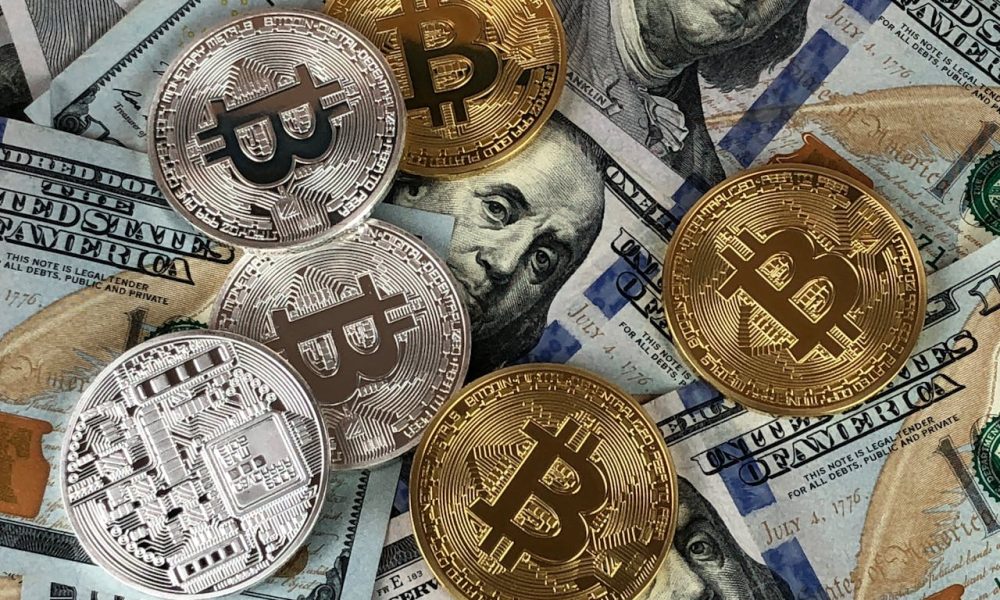
With the rise of Bitcoin, it is no longer just a digital currency, but has become an undeniable variable in the global financial market and economic landscape. Since the birth of Bitcoin, its drastic price fluctuations have had a profound impact on various aspects of the global economy. Investors not only need to pay attention to the short-term price trend of Bitcoin, but also need to have insight into the economic trends behind it, and plan ahead to deal with possible risks and opportunities. This article will delve into the impact of bitcoin price fluctuations on the global economy and provide layout recommendations for investors.
The fluctuation of Bitcoin price has had an increasingly significant impact on the global economy. As a non-traditional asset, the rise and fall of Bitcoin often triggers intense market reactions, especially between the digital currency market and the financial market. The sharp rise and fall of Bitcoin prices may lead to emotional fluctuations among investors, which in turn can affect capital flows, consumer confidence, and investment decisions.
Firstly, the significant fluctuations in Bitcoin prices have an undeniable impact on financial markets. Many institutional and individual investors view Bitcoin as a ‘safe haven asset’, competing with traditional safe haven assets such as gold. When the price of Bitcoin rises significantly, it often means that global capital flows tend towards uncertain and high-risk markets. On the contrary, a significant drop in the price of Bitcoin could shake investor confidence and potentially trigger panic in traditional financial markets such as the stock and bond markets.
Secondly, the fluctuation of Bitcoin prices also impacts global consumer behavior and trade patterns. Due to Bitcoin itself being a decentralized form of currency, cross-border payments and remittances have become more convenient, making international trade and capital flows in some countries and regions more reliant on digital currencies such as Bitcoin. However, the volatile price of Bitcoin may lead to instability in these markets, especially for countries whose economies rely on exports or foreign investment inflows.
With the continuous appreciation of Bitcoin, its role as an investment product has gradually gained recognition from global investors. Especially in the context of global central banks implementing loose monetary policies and low interest rates, investors increasingly see Bitcoin as a tool to combat inflation and currency depreciation. Compared to traditional investment products such as stocks, bonds, and gold, the unique properties of Bitcoin make it a part of alternative investment products.
However, as an investment product, Bitcoin is not without risks. Its price fluctuates greatly and is sensitive to external factors. For example, changes in government regulatory policies, changes in market liquidity, technological advancements, etc. may all lead to drastic fluctuations in the price of Bitcoin. Therefore, although Bitcoin can be part of a diversified investment portfolio, its risks cannot be ignored.
For investors, how to effectively layout in the context of Bitcoin price fluctuations is both an opportunity and a challenge. The following suggestions can provide reference for investors:
Diversified investment portfolio
Due to the high volatility of Bitcoin prices, investors should consider Bitcoin as a part of their investment portfolio rather than the entire one. By combining Bitcoin with other assets such as stocks, bonds, real estate, etc., the impact of individual asset volatility on the overall investment portfolio can be reduced, and risk can be minimized.
**The trade-off between long-term holding and short-term trading**
Investors must choose suitable investment strategies based on risk tolerance and investment goals. If you are a long-term investor, you can choose to buy gradually when the price of Bitcoin is low and hold until the market recovers before selling. But if you are a short-term trader, you need to always pay attention to the market trends and technical signals of Bitcoin, and use short-term price fluctuations for trading.
Pay attention to regulatory developments
Bitcoin, as a decentralized asset, has received close attention from governments around the world in terms of policies. Investors need to monitor regulatory developments regarding Bitcoin and other cryptocurrencies worldwide closely. Any policy changes may have a direct impact on the price of Bitcoin, such as bans, tax policies, market access thresholds, etc.
Risk management
Due to the high uncertainty in the Bitcoin market, investors should set stop loss and take profit points to ensure timely response and protect their investment interests in the event of severe price fluctuations. At the same time, using appropriate leverage ratios and margin management can effectively avoid financial losses caused by excessive leverage.
As an emerging asset, the future development of Bitcoin is still full of uncertainty. On the one hand, the decentralized and digital nature of Bitcoin gives it enormous potential to become a part of the global payment system and stored value means in the future. On the other hand, the regulatory pressure on Bitcoin in the market is constantly increasing, and the attitudes and policies of governments around the world towards Bitcoin will directly affect its future direction.
Especially in terms of technological development, the continuous evolution of blockchain technology may enable Bitcoin to be applied on a larger scale, further driving its price up. However, it should also be noted that the price of Bitcoin is greatly influenced by market sentiment and speculative behavior, which also exposes it to significant market risks.
The fluctuation of Bitcoin prices affects not only investors’ emotions and decisions but also has a profound impact on the global economy. As an emerging investment asset, it is gradually changing the pattern of traditional financial markets. Investors need to adopt appropriate investment strategies based on their understanding of the characteristics of the Bitcoin market, combined with their own risk tolerance and investment goals. In the future, with the technological advancement of Bitcoin and changes in policy environment, the global economic landscape and financial markets will face more uncertainty and opportunities.




