
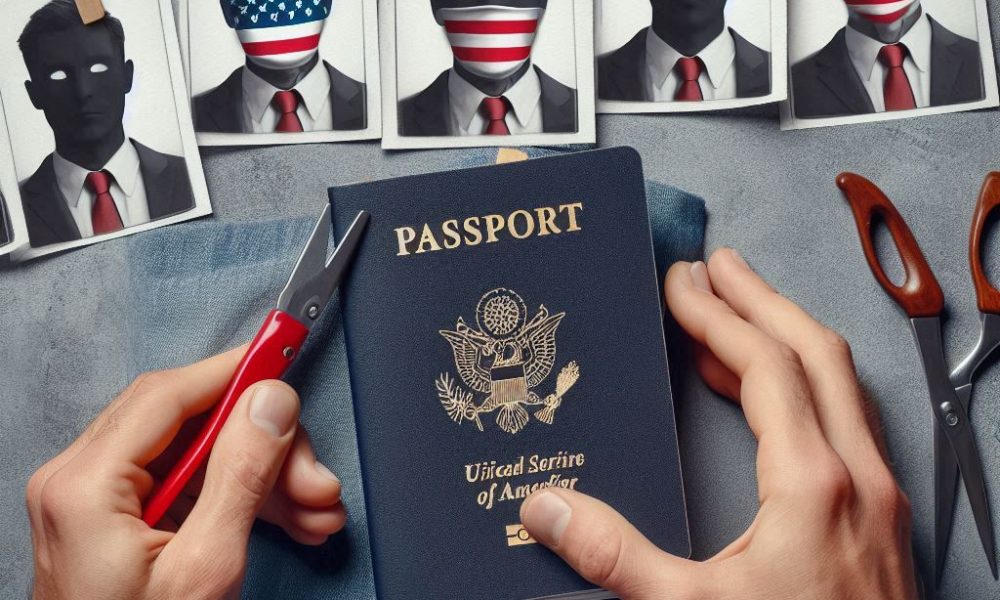
Amicus International Consulting Helps Clients Reclaim Biometric Privacy Through Legal Identity Change, Second Citizenship, and Advanced Jurisdictional Protection
VANCOUVER, B.C. — June 22, 2025 — Facial recognition surveillance has reached unprecedented levels. In airports, shopping centers, government buildings, and even smartphones, biometric identification is the default, used by governments, corporations, and law enforcement to track, profile, and detain individuals without their consent.
However, while the global expansion of biometric databases may seem inescapable, Amicus International Consulting helps clients legally disengage. In the sixteenth release of its investigative Pseudocide Series, “Biometric Warfare: How Amicus Disarms Facial Recognition Legally,” the firm explores how it helps clients avoid biometric detection without resorting to fraud, deception, or illegal obfuscation.
The Rise of Biometric Surveillance as a Weapon
Over 140 countries use facial recognition in national security, immigration, and law enforcement. Systems like FRT (Facial Recognition Technology), gait recognition, iris scans, and voiceprints are stored in real-time databases that sync across borders via Interpol, ICAO, and Schengen protocols.
In 2024 alone, biometric data was responsible for:
- Over 12,000 detainments at border crossings
- The identification of 3,100 international fugitives
- Denials of 11,000 visa applications due to “biometric anomalies”
But these systems also make mistakes—and they’re increasingly used to suppress dissidents, monitor travellers, and enforce extrajudicial tracking in authoritarian regimes.
“Facial recognition is not just used to catch criminals,” said a biometric privacy advisor at Amicus. “It’s used to silence whistleblowers, intimidate former operatives, and block entire groups based on their history or beliefs.”
When a Face Becomes a Liability
Amicus serves clients who, due to legal, political, or professional entanglements, need to disentangle themselves from biometric databases to which they never consented. These include:
- Informants listed in facial recognition watchlists
- Former intelligence personnel flagged in foreign databases
- Compliance officers and consultants misidentified by AI profiling
- Individuals mistakenly included in biometric leaks or errors
- Crypto developers, activists, or engineers are tagged as high-risk
Even a routine border scan or CCTV ping can trigger unwarranted stops, secondary inspection, or surveillance escalation for these individuals.
Case Study 1: The Engineer Flagged by Border AI
In 2023, an American software architect specializing in encryption visited South Korea for a cybersecurity summit.
Upon arrival, the biometric gates flagged his face for secondary screening due to a facial recognition technology (FRT) match with a fugitive of a similar age and features. Despite immediate clearance, he was added to a travel watchlist.
For months afterward, he faced unexplained delays, airline refusals, and financial service interruptions triggered by ongoing confusion with his biometrics.
Amicus intervened with a structured solution:
- Legal name change via court approval in a European civil registry
- Full biometric deconfliction under Maltese administrative procedures
- Second citizenship through investment in Dominica
- Secure biometric re-enrollment with a new identity in a clean jurisdiction
Today, the client travels globally without triggering biometric alerts and has no connection to his previously flagged profile.
The Problem with Fake Faces
In response to the rise of biometric surveillance, the underground market has expanded with solutions that promise to “defeat facial recognition.” These include:
- AI-generated mask overlays
- Fawkes-like adversarial cloaks
- Facial reconstruction surgery
- Forged biometric passports or altered iris data
But these methods are not only illegal—they’re increasingly ineffective. Modern FRT systems are trained to detect spoofing attempts, and any inconsistencies often result in detention, deportation, or criminal investigation.
Amicus offers the only lawful alternative: a new, legally recognized biometric identity backed by valid court and government processes.
The Amicus Biometric Transition Process
- Court-Sanctioned Identity Change
In jurisdictions that allow legal name, gender, and document changes, Amicus assists clients in securing:
- New national ID
- Updated biometric records
- Valid government-issued passports
- Synchronization across travel, tax, and banking systems
This ensures the client’s new face is tied to a new, lawful identity, not just a disguise.
- Second Citizenship Acquisition
Using Citizenship by Investment programs, Amicus facilitates clean biometric enrollment in nations such as:
- Saint Lucia
- Malta
- Grenada
- Vanuatu
- Dominica
These passports are legal, issued by sovereign authorities, and embedded with updated biometric data, not overlays or falsified credentials.
- Jurisdictional Biometrics Management
Not all countries share biometric data equally. Amicus helps clients:
- Relocate to countries with no facial recognition data exchange agreements
- Avoid Five Eyes, Schengen, and Interpol-integrated surveillance zones
- Maintain privacy without compromising immigration status or residency
Case Study 2: The Consultant in a Sanctions Spillover
A European compliance consultant worked on a project that was later revealed to involve sanctioned Russian entities. Although the consultant was cleared, his biometric data had already been flagged across EU and U.S. systems.
After being refused boarding an overseas flight and flagged by a Middle Eastern immigration kiosk, he contacted Amicus.
The firm executed:
- A legal identity update under GDPR-compliant frameworks
- A new biometric passport through the Grenadian CBI
- Metadata delisting from data brokers and surveillance syndicators
- Relocation to a privacy-respecting Asian jurisdiction with no biometric treaty connections
Why Legal Biometric Reinvention Is the Only Sustainable Strategy
Facial recognition surveillance is intensifying, especially under AI-driven behavioural analytics. That means even acting differently, not just looking different, can get you flagged.
- Gait recognition software can match walking styles to known profiles
- Micro-expression analyzers detect stress or flight-risk behaviour
- Device fingerprinting pairs biometric scans with network activity
You can ensure long-term safety, stability, and sovereignty by legally separating your identity from biometric systems.
What Amicus Will Not Do
Amicus does not assist with:
- Facial reconstruction surgery to avoid identification
- The sale or procurement of fake biometric documents
- Digital mask overlays or adversarial AI tools
- Evading legal prosecution or obstructing justice
All services are grounded in court-backed documentation, lawful jurisdictional processes, and international compliance standards.
Case Study 3: The Political Advisor in Exile
A senior political strategist in Central Asia became a target after leaking information to foreign press outlets. Despite asylum protection in Europe, biometric scans at Schengen borders continued to trigger security reviews tied to his original identity.
Amicus coordinated:
- Legal erasure of his biometric signature in administrative databases
- Issuance of new biometric documents under a legally changed name
- Acquisition of second citizenship in Vanuatu
- Complete travel re-onboarding with cleared biometric credentials
- Integration into a non-Schengen country without data sharing protocols
Today, he works in international development—legally untethered from the digital trail used to harass him.
Final Word: In Biometric Warfare, Legal Identity Is Your Shield
In 2025, your face is a passport. Your iris is a barcode. Your gait, your voice, your data trail—they all tell a story. But don’t need to run if that story becomes a threat. You need to reset—legally.
Amicus International offers the only lawful framework for disengaging from global biometric surveillance without deception or risk. Whether you’re a whistleblower, a consultant, or a non-criminal entangled in state-level targeting, Amicus provides:
- New identity
- New documents
- New legal protection
- And peace of mind
📞 Contact Information
Phone: +1 (604) 200-5402
Email: [email protected]
Website: www.amicusint.ca




