
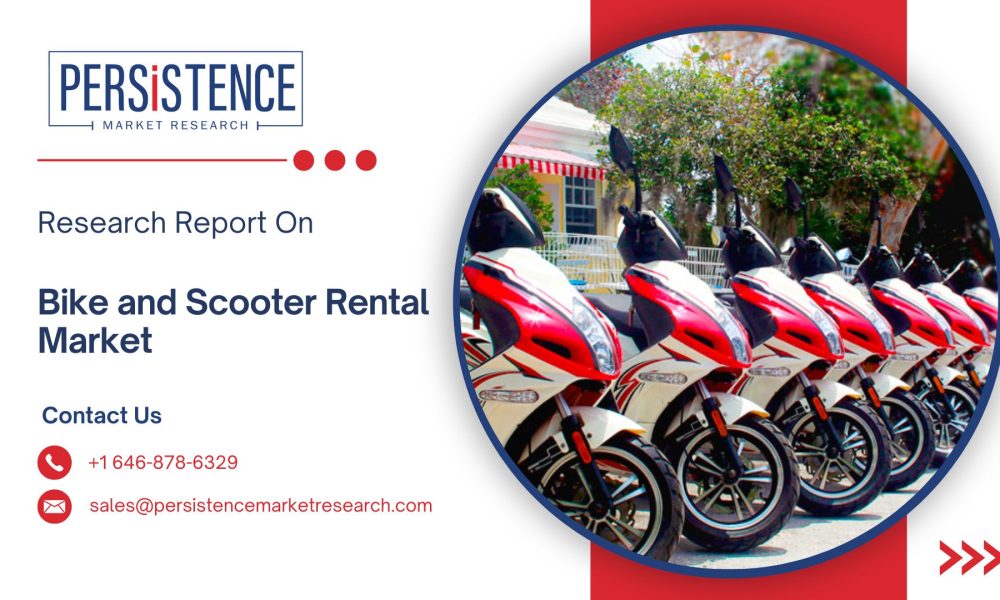
The global bike and scooter rental market is emerging as a crucial segment in the urban mobility ecosystem, driven by the increasing demand for sustainable, cost-effective, and efficient transportation solutions. Valued at US$ 5.4 Bn in 2024, the market is projected to grow to US$ 16.9 Bn by 2032, expanding at a CAGR of 15.5% during the forecast period from 2025 to 2032. This growth is fueled by urbanization, traffic congestion, and the rising popularity of micromobility solutions that provide convenient alternatives to conventional vehicle use.
The proliferation of electric scooters and shared bicycles has revolutionized short-distance urban commuting. Users can rent vehicles from designated stations or via app-based platforms, making transportation accessible without the costs or responsibilities of ownership. Companies like Lime Micromobility and Spin have leveraged GPS-enabled scooters and mobile apps, offering real-time booking, ride tracking, and route planning. Cities such as San Francisco, New York, and Washington D.C. are early adopters of bike and scooter rental services, benefiting from eco-friendly transport solutions that alleviate congestion and reduce carbon emissions.
Get a Sample Copy of Research Report (Use Corporate Mail id for Quick Response): https://www.persistencemarketresearch.com/samples/35374
Key Highlights from the Report
➤ The global bike and scooter rental market is projected to grow from US$ 6.2 Bn in 2025 to US$ 16.9 Bn by 2032.
➤ The market is expected to expand at a CAGR of 15.5% from 2025 to 2032.
➤ Growth is driven by urbanization, traffic congestion, and the rising popularity of micromobility solutions.
➤ Electric scooters and bicycles are leading product segments due to convenience, affordability, and sustainability.
➤ GPS-enabled and app-based booking systems are enhancing user experience and adoption.
➤ North America leads adoption, driven by urban infrastructure, technology integration, and environmental awareness.
Market Segmentation
The bike and scooter rental market can be segmented by vehicle type, propulsion type, and service model. By vehicle type, electric scooters are the fastest-growing segment, offering energy-efficient, short-distance transport for urban commuters. Shared bicycles maintain strong market share due to their cost-effectiveness, health benefits, and integration with public transit systems. Emerging micro mobility vehicles such as e-bikes and small electric mopeds are increasingly adopted in premium segments.
By propulsion type, electric vehicles dominate due to lower environmental impact, operational cost savings, and government incentives. Manual bicycles continue to be relevant in cost-sensitive markets and tourist destinations. By service model, shared rental services are the most prominent, facilitated by mobile apps, subscription-based models, and ride-sharing platforms. Ownership models are gradually emerging in high-income regions, allowing consumers to rent on a longer-term basis while benefiting from app-based maintenance and tracking systems.
Regional Insights
North America leads the bike and scooter rental market, with early adoption in cities like San Francisco, New York, and Washington D.C. Urban planning initiatives, traffic congestion, and environmental awareness have accelerated adoption. Integration with ride-hailing apps such as Uber enhances accessibility, while GPS tracking and digital payment systems improve user experience.
Europe is a key market, driven by environmental policies, government incentives for green transportation, and adoption of app-based shared mobility services. Countries such as Germany, France, and the Netherlands have established bicycle infrastructure, bike lanes, and rental networks to promote eco-friendly commuting. Asia-Pacific is witnessing rapid growth due to increasing urban populations, rising disposable income, and government initiatives supporting micromobility adoption. Cities such as Singapore, Tokyo, and Beijing are implementing integrated mobility solutions. Emerging markets in Latin America and the Middle East are gradually adopting rental services in response to congestion, urbanization, and environmental concerns.
Market Drivers
The bike and scooter rental market is primarily driven by rising demand for sustainable urban transport. Shared micro mobility reduces dependence on private vehicles, mitigates traffic congestion, and decreases carbon emissions.
Technological advancements in GPS, app-based booking, and electric propulsion systems further support adoption. Electric scooters and bicycles allow for affordable, convenient, and fast short-distance travel. Growing urbanization and the expansion of smart city infrastructure are also key drivers, enabling rental operators to deploy fleets efficiently and integrate with public transit. Consumers are increasingly adopting shared mobility solutions for their cost-effectiveness, convenience, and environmental benefits, accelerating market growth globally.
Market Restraints
Despite strong growth, the bike and scooter rental market faces several challenges. Safety concerns related to accidents, helmet use, and rider behavior may hinder adoption. Lack of infrastructure, such as dedicated bike lanes and parking stations, can limit service deployment in certain cities.
Regulatory inconsistencies in different regions create operational challenges for rental providers. Operational costs, including fleet maintenance, battery replacement, and charging infrastructure, may affect profitability. Additionally, competition from private micromobility ownership and ride-hailing alternatives can influence market penetration, particularly in high-income regions where consumers prefer personal vehicle options.
Market Opportunities
The bike and scooter rental market presents significant opportunities in electric mobility and smart city integration. Electrification of scooters and bicycles enhances sustainability and reduces operating costs for rental providers. Integration with app-based platforms allows real-time booking, ride tracking, route optimization, and subscription-based services, enhancing user experience.
Expanding into corporate fleets, campuses, and tourism sectors offers growth potential by providing last-mile transport solutions and eco-friendly mobility options. Emerging markets in Asia-Pacific, Latin America, and the Middle East provide high growth opportunities due to urban congestion, rising motorcycle and scooter use, and increasing environmental awareness. Strategic partnerships with governments and municipalities can facilitate infrastructure development, regulatory compliance, and fleet expansion.
Frequently Asked Questions (FAQs)
➤ How big is the global bike and scooter rental market in 2025 and 2032?
➤ Who are the key players in the global bike and scooter rental market?
➤ What is the projected CAGR of the bike and scooter rental market from 2025 to 2032?
➤ Which vehicle types and service models are driving market growth?
➤ Which region is expected to dominate the bike and scooter rental market during the forecast period?
Company Insights
Key players operating in the global bike and scooter rental market include:
- Lime Technology, Inc.
- Bird Rides, Inc.
- Spin (Ford Mobility)
- Voi Technology AB
- Jump (Uber Technologies, Inc.)
- Tier Mobility GmbH
- Bolt Mobility
- Xiaomi Corporation (electric scooters)
Recent Developments:
- Lime, Bird, and Tier have expanded fleets with GPS-enabled electric scooters and bicycles integrated with mobile app platforms for booking, payment, and ride tracking.
- Companies are partnering with municipalities to implement dedicated lanes, parking stations, and charging infrastructure, enhancing service accessibility and adoption in urban areas.
Explore more related market insights and reports by visiting our website.




