
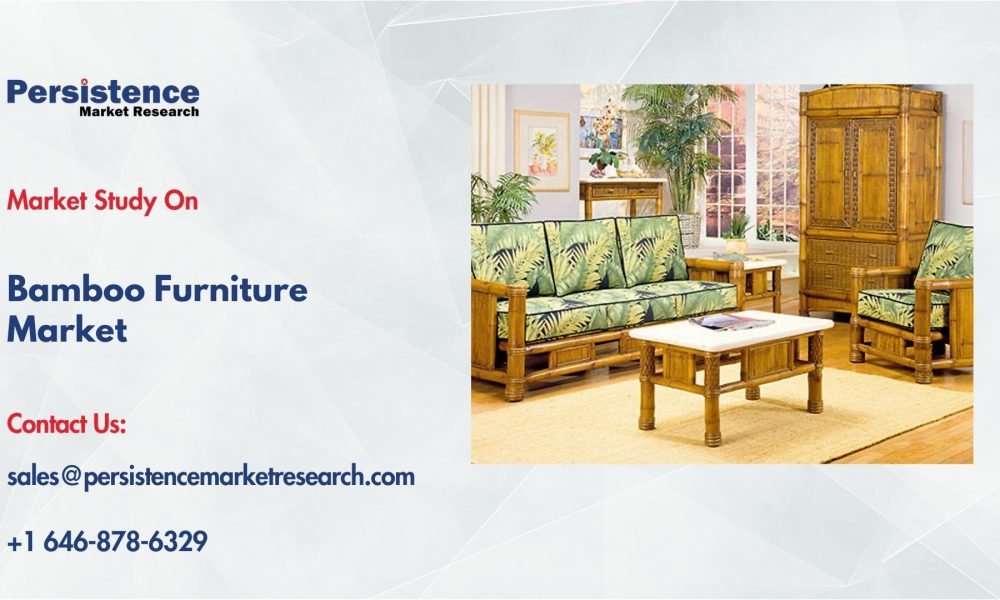
The global bamboo furniture market is gaining traction as consumers increasingly prioritize eco-friendly, durable, and sustainable alternatives to traditional wooden furniture. According to projections, the market is set to grow from US$ 680.0 Mn in 2025 to US$ 1,167.6 Mn by 2032, expanding at a strong CAGR of 9.4% during the forecast period. This growth is propelled by rising environmental awareness, the booming demand for green building materials, and the surge in premium handcrafted bamboo designs across both residential and commercial applications.
Bamboo’s natural strength, quick renewability, and versatility are helping it emerge as a leading material in sustainable interior décor. Among product types, chairs and seating solutions are expected to dominate due to their high demand in urban households, restaurants, and hospitality spaces. Regionally, Asia Pacific is projected to lead the global bamboo furniture market, supported by abundant raw material availability, low production costs, and the presence of skilled artisans in countries such as China, India, and Indonesia.
Key Highlights from the Report
- The global bamboo furniture market will reach US$ 1,167.6 Mn by 2032 from US$ 680.0 Mn in 2025.
- The market is projected to expand at a CAGR of 9.4% between 2025 and 2032.
- Asia Pacific will remain the leading regional market due to raw material availability.
- Residential furniture dominates as consumers shift to eco-friendly living.
- Chairs and seating solutions are the most in-demand product type.
- Sustainable living trends and green architecture drive long-term market growth.
Market Segmentation
The bamboo furniture market is segmented based on product type, end-user, and distribution channels. Product-wise, bamboo chairs, tables, beds, and storage solutions are the most common, with chairs and stools leading due to their widespread use in both domestic and hospitality spaces. Tables, including dining and coffee tables, are also gaining demand thanks to their durability and aesthetic appeal. Beds and storage units, though still a niche, are gaining attention among eco-conscious premium buyers.
By end-user, the residential sector dominates, accounting for the largest share of the market. Consumers are increasingly drawn to eco-friendly décor choices, with bamboo offering a combination of durability, lightweight design, and sustainability. Meanwhile, the commercial segment—including hotels, resorts, restaurants, and offices—is witnessing rising demand for bamboo furniture due to its rustic, modern, and sustainable appeal, which aligns well with global green building standards.
In terms of distribution, both offline and online channels play key roles. While traditional retail stores and artisan workshops cater to direct buyers seeking customization, the rapid expansion of e-commerce platforms is fueling global access to bamboo furniture, allowing manufacturers to reach eco-conscious consumers across geographies.
𝐆𝐞𝐭 𝐚 𝐒𝐚𝐦𝐩𝐥𝐞 𝐏𝐃𝐅 𝐁𝐫𝐨𝐜𝐡𝐮𝐫𝐞 𝐨𝐟 𝐭𝐡𝐞 𝐑𝐞𝐩𝐨𝐫𝐭 (𝐔𝐬𝐞 𝐂𝐨𝐫𝐩𝐨𝐫𝐚𝐭𝐞 𝐄𝐦𝐚𝐢𝐥 𝐈𝐃 𝐟𝐨𝐫 𝐚 𝐐𝐮𝐢𝐜𝐤 𝐑𝐞𝐬𝐩𝐨𝐧𝐬𝐞): https://www.persistencemarketresearch.com/samples/35299
Regional Insights
Regionally, Asia Pacific holds the lion’s share of the bamboo furniture market. Countries such as China, India, Vietnam, and Indonesia serve as key producers and exporters of bamboo-based products, supported by abundant bamboo plantations and low-cost skilled labor. The region’s rich heritage of bamboo craftsmanship also contributes to its dominance.
Europe is emerging as the second-largest market, driven by stringent environmental regulations, growing consumer preference for sustainable products, and the popularity of eco-friendly home décor trends in countries like Germany, France, and the UK. North America is witnessing strong growth as well, fueled by rising adoption of sustainable lifestyles and increasing acceptance of bamboo furniture in modern interior designs. Meanwhile, regions like Latin America and the Middle East are showing steady demand, especially in high-end resorts and hospitality sectors where bamboo’s natural aesthetic is highly valued.
Market Drivers
One of the primary drivers of the bamboo furniture market is the rising global emphasis on sustainability and eco-friendly materials. Bamboo, known for its fast growth and minimal environmental impact, provides a renewable alternative to hardwoods that require decades to mature. In addition, the booming green building movement is accelerating the use of bamboo furniture in both residential and commercial settings. The furniture’s durability, lightweight design, and aesthetic appeal further enhance its attractiveness.
Consumer preference for handcrafted and artisanal furniture is another major factor driving growth. With rising disposable incomes, buyers are increasingly opting for high-quality, stylish, and unique bamboo furniture pieces. Moreover, the expanding e-commerce ecosystem has enabled wider access to bamboo furniture, allowing small-scale artisans and large brands to market their products to a global audience.
Market Restraints
Despite strong growth prospects, the bamboo furniture market faces certain restraints. Lack of awareness in some regions regarding bamboo’s durability and sustainability continues to limit adoption. In addition, high production costs for premium bamboo furniture, especially when incorporating advanced treatments to enhance durability and resistance, can act as a barrier for price-sensitive consumers.
The market also contends with competition from cheaper alternatives, including plastic and engineered wood furniture. Additionally, bamboo furniture requires careful treatment to prevent insect infestations and moisture damage, which may discourage buyers unfamiliar with maintenance requirements.
Market Opportunities
The bamboo furniture market offers immense opportunities in the coming years. The hospitality industry, including eco-resorts and boutique hotels, is increasingly investing in sustainable furniture solutions, creating significant demand for bamboo-based products. Similarly, the integration of bamboo furniture in modular and modern design solutions presents lucrative growth avenues, as urban consumers seek functional yet sustainable options for compact living spaces.
Growing support from government initiatives promoting sustainable building materials is another opportunity. Countries worldwide are implementing policies to reduce carbon footprints, boosting the adoption of bamboo in furniture, flooring, and construction. Furthermore, advances in processing technologies—such as engineered bamboo composites—are expanding the range of applications and durability of bamboo furniture, making it more competitive with conventional materials.
Reasons to Buy the Report
- Gain detailed insights into the bamboo furniture market’s projected growth trajectory.
- Understand key market drivers, restraints, and opportunities shaping the industry.
- Identify leading segments and regions contributing to market expansion.
- Evaluate competitive strategies and innovations by top market players.
- Access comprehensive data and forecasts to support informed investment decisions.
Frequently Asked Questions (FAQs)
How Big is the Bamboo Furniture Market in 2025 and 2032?
Who are the Key Players in the Global Bamboo Furniture Market?
What is the Projected Growth Rate of the Bamboo Furniture Market?
What is the Market Forecast for Bamboo Furniture by 2032?
Which Region is Estimated to Dominate the Bamboo Furniture Industry through the Forecast Period?
Company Insights
Leading companies operating in the global bamboo furniture market include:
- Greenington Fine Bamboo Furniture
• Zest Bamboo Furniture
• VivaTerra
• Bambeco
• Myakka
• The Bamboo Company
• Jiangxi Feiyu Bamboo Industry Group Co., Ltd.
• Bamboo Village Company
• Eco Furniture Indonesia
• Foter
Recent Developments:
- In 2024, Greenington Fine Bamboo Furniture introduced a new line of engineered bamboo dining sets designed for modern urban homes.
- In 2023, VivaTerra expanded its online retail presence in Europe to meet growing demand for eco-friendly home décor solutions.
The global bamboo furniture market stands at the intersection of sustainability, craftsmanship, and modern design innovation. With consumers increasingly seeking eco-friendly lifestyles, bamboo’s versatility and environmental benefits position it as a key material for the future of furniture manufacturing. Strong demand from both residential and commercial buyers, combined with regional strengths in Asia Pacific and emerging opportunities in Europe and North America, is expected to fuel the market’s growth trajectory. By 2032, bamboo furniture will not only reflect consumer values but also shape the broader evolution of sustainable living solutions worldwide.
Explore the Latest Trending Research Reports:




