

A Clear Step-by-Step Guide to Booking, Bail Decisions, Release Options, and Court Obligations
When someone is arrested, the legal process that follows can feel overwhelming—especially for individuals and families unfamiliar with the criminal justice system. One of the earliest and most important stages after an arrest is the bail process, which determines whether a defendant can remain free while awaiting court proceedings. Understanding how bail works, from arrest to release, can help reduce confusion and support better decision-making during a stressful time.
What Happens Immediately After an Arrest
After an arrest, the individual is typically taken to a local jail or detention facility for booking. During booking, law enforcement records personal information, fingerprints, photographs, and details about the alleged offense. The defendant may also undergo a background check to identify any outstanding warrants or prior legal issues.
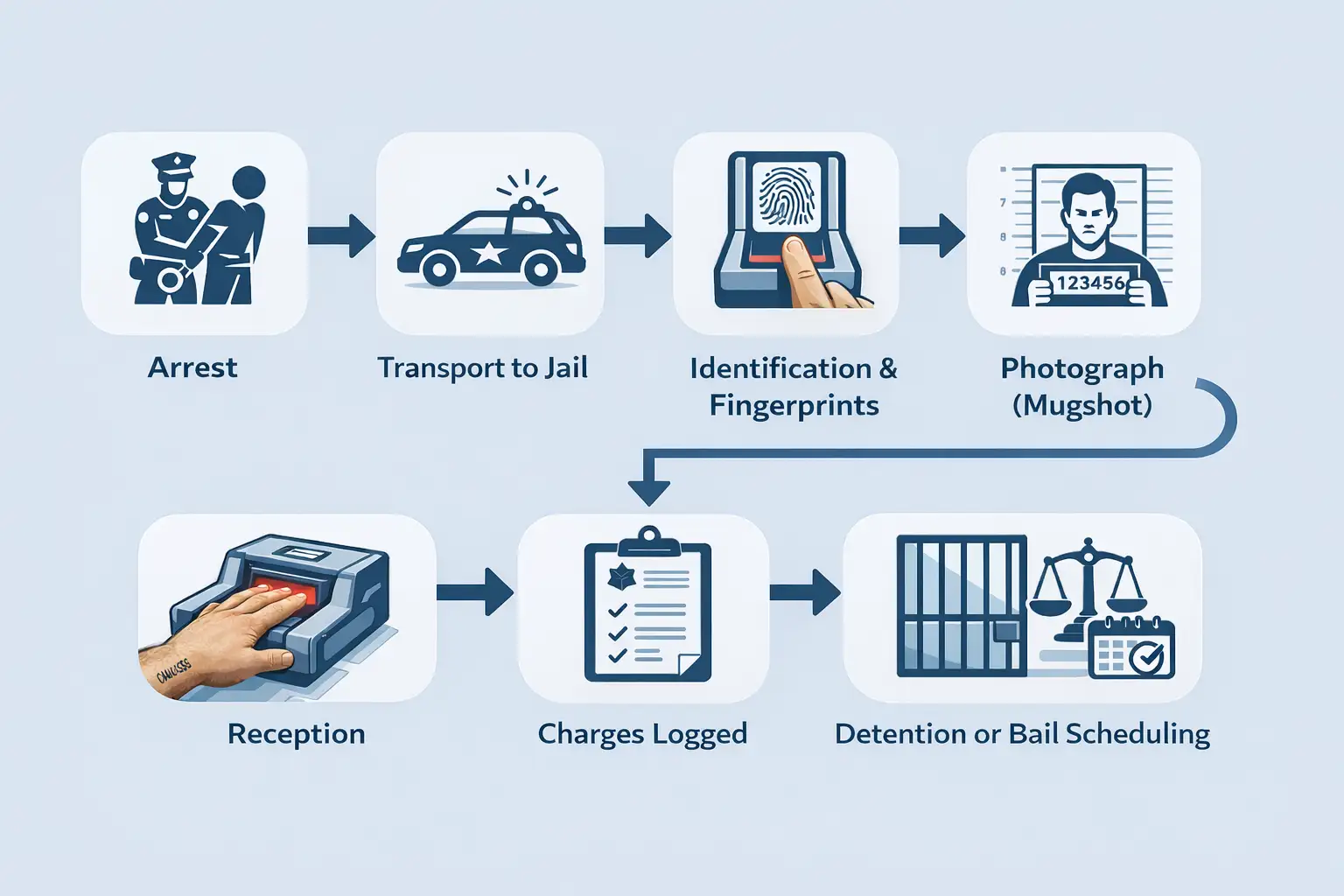
Once booking is complete, the individual is held until bail is addressed. Depending on the jurisdiction and the severity of the charge, bail may be set quickly using a standard bail schedule, or the defendant may need to wait for a court hearing before a judge.
How Bail Is Determined
Bail is a financial assurance designed to ensure that a defendant appears in court as required. Judges consider several factors when determining bail amounts, including the seriousness of the offense, prior criminal history, ties to the community, and whether the defendant is considered a flight risk or a danger to the public.
In some cases, bail amounts are predetermined based on the type of charge. In others, particularly for more serious offenses, a judge has discretion to increase, reduce, or deny bail altogether. Alternatives such as release on recognizance or supervised release may also be considered.
Understanding Bail Payment Options
Once bail is set, defendants or their families generally have several options. Bail may be paid in full directly to the court, allowing the defendant’s release pending trial. If the defendant complies with all court requirements, the bail amount is typically refunded at the conclusion of the case, minus any administrative fees.
However, many families are unable to pay the full bail amount upfront. In these situations, bail bonds may be used as an alternative. Bail bond arrangements involve a third party that guarantees the bail amount on behalf of the defendant, usually in exchange for a non-refundable fee. This option allows defendants to secure release without paying the full bail amount out of pocket.
A more detailed explanation of how this process works at the local level can be found in educational resources that explain how bail functions within specific jurisdictions, including parish-level procedures and timelines.
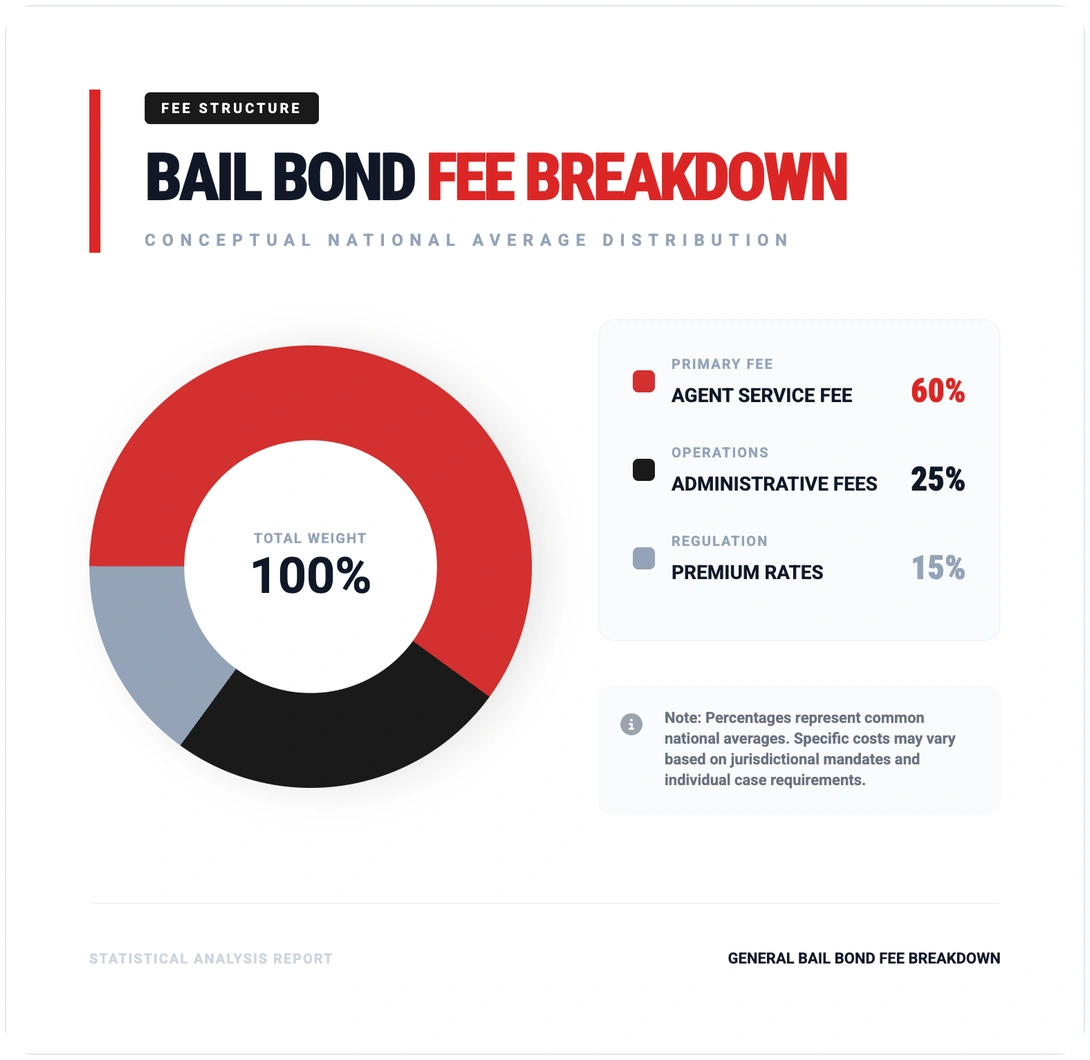
The Role of Bail Bonds in the Release Process
Bail bonds play a practical role in helping defendants secure temporary freedom while awaiting trial. Once a bail bond is posted, the defendant can be released from custody under the condition that they attend all scheduled court appearances. Failure to do so may result in forfeiture of the bond and additional legal consequences.
The bail bond process varies by jurisdiction, with local rules influencing timing, documentation, and release procedures. For example, parish-specific practices can affect how quickly a release occurs after bail is posted and the conditions that apply. Educational guides that outline how bail works in specific jurisdictions, such as Livingston Parish in Louisiana, offer helpful insight into local variations and procedural expectations.
Release Conditions and Legal Responsibilities
Release on bail comes with clear responsibilities. Defendants are required to attend all court hearings, comply with any conditions set by the court, and avoid further legal trouble. Conditions may include travel restrictions, regular check-ins, or compliance with protective orders.
Missing a court appearance can lead to immediate consequences, including the issuance of a warrant and loss of bail privileges. Understanding these obligations is essential for anyone navigating the bail process for the first time.
Final Thoughts: Navigating the Process With Clarity
The bail process exists to balance public safety with the presumption of innocence. While it can be complex, understanding each step—from arrest and booking to bail determination and release—helps individuals and families make informed decisions during a challenging period.
By learning how bail works and what responsibilities follow release, defendants are better positioned to comply with legal requirements and move forward through the justice system with greater confidence.
© Editorial explainer. This article is for informational purposes only and does not constitute legal advice.