
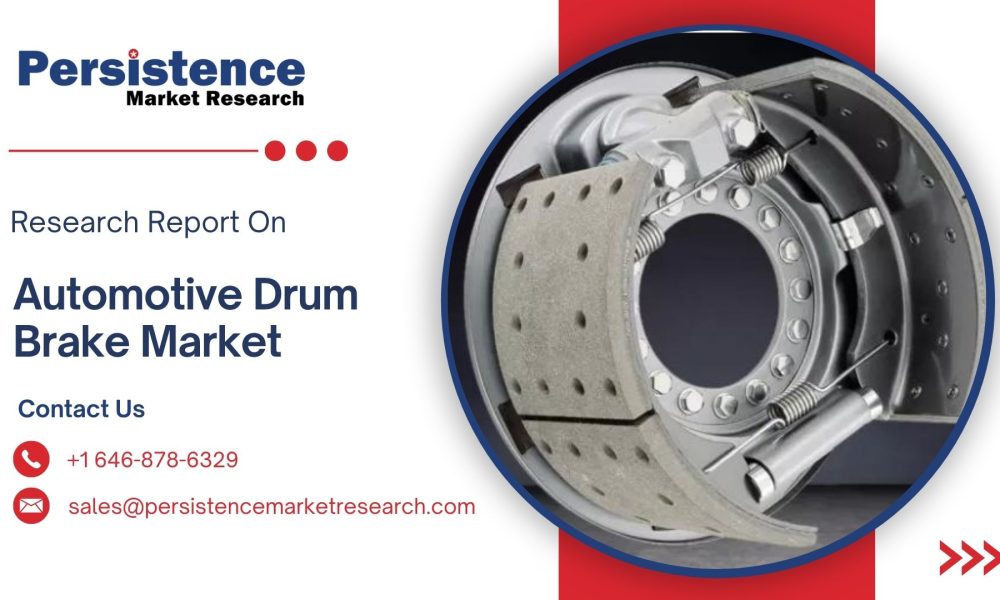
The global automotive drum brake market is poised for steady growth in the coming years, driven by the increasing adoption of cost-effective braking systems, particularly in emerging economies. According to Persistence Market Research, the automotive drum brake market is expected to be valued at approximately US$5.9 billion in 2026 and is projected to reach US$7.9 billion by 2033. This growth represents a compound annual growth rate (CAGR) of 4.3% during the forecast period from 2026 to 2033. The rising demand for durable and low-maintenance braking solutions, along with innovations in brake technology, is significantly contributing to the market’s expansion.
Several factors are driving the demand for automotive drum brakes. These systems are known for their affordability and reliability, which makes them a popular choice for budget vehicles and commercial vehicles. Additionally, advancements in self-adjusting drum brake technologies and innovations in leading trailing shoe brake designs are improving both performance and lifespan. The continued preference for automotive drum brakes in heavy-duty applications, such as in trucks and buses, is further bolstering the market growth. Furthermore, the growing importance of maintenance-friendly and cost-effective solutions in regions like Asia-Pacific and Latin America is driving greater adoption of these systems.
Get Your FREE Sample Report Instantly Click Now: https://www.persistencemarketresearch.com/samples/29722
Company Insights
Key players in the automotive drum brake market include:
- Brembo S.p.A.
- Continental AG
- ZF Friedrichshafen AG
- Akebono Brake Industry Co., Ltd.
- Aisin Seiki Co., Ltd.
- Bosch Limited
- Nissin Kogyo Co., Ltd.
- Mando Corporation
- TRW Automotive Holdings Corp.
- Federal-Mogul Holdings LLC
- Haldex AB
- Meritor, Inc.
- Knorr-Bremse AG.
- WABCO Holdings Inc.
- ADVICS Co., Ltd.
- Hitachi Automotive Systems, Ltd.
Key Highlights from the Report:
➤ The automotive drum brake market is projected to grow from US$5.9 billion in 2026 to US$7.9 billion by 2033, with a CAGR of 4.3%.
➤ The increasing demand for low-maintenance, cost-effective braking systems is a key driver of the market.
➤ Self-adjusting drum brake technologies and advanced servo brake designs are enhancing performance and durability.
➤ Drum brakes are favored in budget vehicles and heavy-duty applications, driving greater adoption.
➤ The demand for automotive drum brakes is rising in emerging economies due to affordability and reliability.
➤ Innovations in braking systems are expected to improve lifespan and performance, further fueling market growth.
Market Segmentation
By Product Type
- Leading Trailing Shoe Brake
- Two Leading Shoe Brake
- Servo Brake
By Braking Type
- Normal Braking
- Automatic Self-adjustment
- Emergency Braking
By Application
- Passenger Vehicles
- Commercial Vehicles
By Region
- North America
- Europe
- East Asia
- South Asia & Oceania
- Latin America
- Middle East & Africa
Customize This Report for Your Exact Requirements: https://www.persistencemarketresearch.com/request-customization/29722
Regional Insights
In the automotive drum brake market, the Asia-Pacific region holds a dominant position due to the high demand for affordable and reliable automotive components. Emerging economies, such as China and India, are witnessing rapid urbanization and growth in the automotive sector, resulting in a higher demand for automotive drum brakes. These markets also favor low-cost, high-durability braking systems, which are driving the uptake of drum brakes in passenger and commercial vehicles.
Europe and North America also represent important regions in the automotive drum brake market. While the adoption of drum brakes in these regions is slowing down due to the growing preference for disc brakes, there remains a significant demand for drum brakes in commercial vehicles, where cost-effectiveness and performance are crucial. Heavy-duty applications, such as buses and trucks, continue to support the demand for automotive drum brakes in these regions.
Market Drivers
- Cost-Effectiveness: Automotive drum brakes are significantly cheaper to manufacture and install compared to their disc brake counterparts. This cost advantage makes them an attractive option, especially in emerging economies where price sensitivity is a critical factor. Manufacturers and consumers alike favor drum brakes due to their affordability, particularly in budget vehicles and lower-end commercial transportation.
- Durability and Low Maintenance: Drum brakes have long been known for their durability and relatively low maintenance requirements. Their robust design makes them a favored choice in applications where maintenance capabilities are limited, such as in heavy-duty vehicles or in regions with less-developed infrastructure. The low-maintenance nature of drum brakes ensures that they continue to be a reliable option for vehicle owners and operators.
The adoption of drum brakes is expected to continue growing, particularly in developing countries where cost-effective and durable solutions are in high demand. Moreover, improvements in drum brake design, such as the introduction of self-adjusting systems, are expected to further boost market growth by enhancing the performance and convenience of these systems.
Market Restraints
- Competition from Disc Brakes: The growing adoption of disc brakes, especially in passenger vehicles, represents a significant challenge to the automotive drum brake market. Disc brakes are perceived as more efficient, offer superior performance, and are generally preferred in modern vehicles, especially in higher-end segments. This shift in consumer preference has led to a decline in the use of drum brakes in passenger vehicles, which is limiting the growth potential of the market.
- Technological Limitations: While drum brakes are known for their cost-effectiveness and reliability, they have certain performance limitations compared to disc brakes. In terms of heat dissipation and braking efficiency, drum brakes tend to perform less efficiently, particularly under heavy braking conditions. These limitations make them less suitable for high-performance vehicles, further hindering their widespread adoption.
Despite these challenges, automotive drum brakes remain a crucial component in various vehicle categories, particularly in commercial and budget vehicles.
Market Opportunities
- Self-Adjusting Technologies: The introduction of self-adjusting drum brake technologies presents a significant opportunity for growth in the market. These systems reduce the need for manual adjustment and enhance braking performance over time, making drum brakes more appealing for consumers seeking low-maintenance options. The growing adoption of these advanced systems is expected to drive market demand in the coming years.
- Expansion in Emerging Markets: Emerging economies, particularly in Asia-Pacific and Latin America, present significant opportunities for the automotive drum brake market. Rapid economic development, increased vehicle production, and rising transportation needs in these regions are expected to fuel the demand for cost-effective braking solutions. This trend is expected to drive long-term growth for automotive drum brakes in these regions.
Frequently Asked Questions
➤ What are the key factors driving the growth of the Automotive Drum Brake Market from 2025 to 2032?
➤ Which companies are leading the Automotive Drum Brake Market?
➤ What are the market’s main opportunities, risks, and structural challenges?
➤ Which companies in the Automotive Drum Brake Market have the most competitive sales and revenue growth?
➤ How do market types and applications impact revenue and market value in the Automotive Drum Brake sector?
Ready to Dive Deep? Buy Full Report Today: https://www.persistencemarketresearch.com/checkout/29722
Recent Developments:
- March 2025: Akebono Brake Industry Co., Ltd. launched an innovative self-adjusting drum brake system to enhance vehicle safety and performance.
- August 2026: Aisin Seiki Co., Ltd. expanded its production capacity for drum brakes, focusing on increasing output in emerging markets like India and China.
Future Opportunities and Growth Prospects
The automotive drum brake market is expected to experience consistent growth, driven by the rising demand for cost-effective, durable, and low-maintenance braking solutions. Innovations in brake technology, particularly self-adjusting systems and advanced servo brake designs, will play a crucial role in enhancing the performance and lifespan of drum brakes. As emerging economies continue to grow, the demand for automotive drum brakes will remain strong, ensuring long-term market expansion.




