
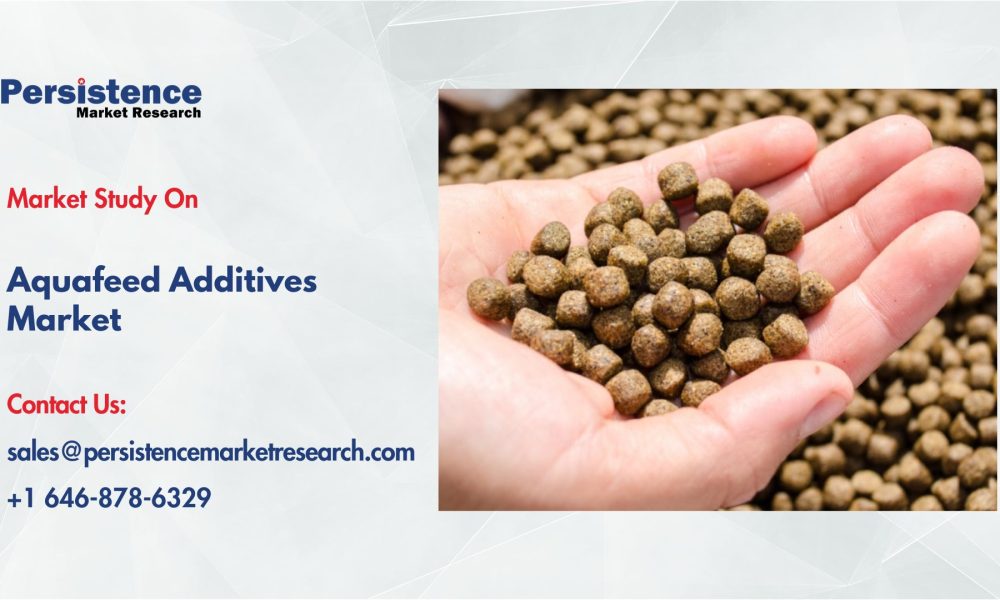
The global aquafeed additives market size is expected to be valued at US$ 3.9 billion in 2026 and projected to reach US$ 5.9 billion by 2033, registering a compound annual growth rate (CAGR) of 6.1% during the forecast period from 2026 to 2033. This growth reflects the rapid development of the aquaculture sector and increasing investment in advanced feed technologies designed to maximize production efficiency.
The expansion of the aquafeed additives market is largely driven by the growing global demand for seafood products. As wild fish stocks decline due to overfishing and environmental pressures, aquaculture is becoming the primary source of fish supply worldwide. This shift has intensified the need for high-performance feed additives that improve feed conversion ratios and ensure sustainable fish farming practices.
Another key factor contributing to market growth is the rising awareness of aquatic animal health and disease prevention. Aquaculture producers are increasingly adopting feed additives such as probiotics, prebiotics, and immune stimulants to enhance disease resistance and reduce the use of antibiotics. This trend aligns with global regulatory efforts aimed at minimizing antibiotic use in animal farming.
Technological advancements in feed formulation are also supporting market growth. Modern aquafeed production utilizes sophisticated nutritional science to create balanced diets that maximize growth while minimizing waste. Additives that improve nutrient absorption and digestion are becoming essential components of these advanced feed formulations.
Furthermore, the expansion of shrimp farming and high-value fish species such as salmon, tilapia, and carp is driving demand for specialized aquafeed additives tailored to the nutritional needs of different aquatic species.
Get Your FREE Sample Report Instantly – Click Now: https://www.persistencemarketresearch.com/samples/34001
Segmentation Analysis
By Ingredient
- Anti-Parasitic
- Feed Acidifiers
- Prebiotics
- Essential Oils and Natural Extracts
- Palatants
- Hydrolysates
- Yeast Extracts
- Others
By Application
- Carp
- Rainbow Trout
- Salmon
- Crustaceans
- Tilapia
- Catfish
- Sea Bass
- Grouper
- Others
Regional Insights
The global aquafeed additives market demonstrates strong regional diversity, with major demand centers located in Asia Pacific, North America, Europe, Latin America, and the Middle East & Africa.
Asia Pacific holds the dominant share of the global market, accounting for the majority of aquaculture production worldwide. Countries such as China, India, Vietnam, Indonesia, and Thailand are major producers of farmed fish and shrimp, creating substantial demand for aquafeed additives.
China remains the largest aquaculture producer globally and has developed an extensive feed manufacturing infrastructure to support its seafood production industry. The country’s focus on improving aquaculture productivity and sustainability is driving continuous investment in advanced feed additives.
Europe represents a significant market due to the strong presence of salmon farming industries in countries such as Norway and Scotland. European aquaculture producers are increasingly focusing on sustainable feed formulations and functional additives that enhance fish health and reduce environmental impact.
North America is also experiencing steady growth in aquafeed additives consumption, supported by expanding aquaculture operations in the United States and Canada. Regulatory frameworks emphasizing responsible aquaculture practices are encouraging producers to adopt high-quality feed ingredients and additives.
The fastest-growing region in the market is expected to be Asia Pacific, driven by rising seafood consumption, expanding aquaculture infrastructure, and government initiatives supporting sustainable fish farming. Rapid urbanization and growing middle-class populations in Asian countries are increasing demand for protein-rich foods such as fish and shrimp.
Latin America is also emerging as an important aquaculture hub, particularly in countries like Ecuador and Chile where shrimp and salmon farming industries are expanding rapidly.
Unique Features and Innovations in the Market
Innovation is transforming the aquafeed additives market as manufacturers seek to develop next-generation solutions that improve productivity while supporting environmental sustainability.
One of the most significant innovations is the integration of artificial intelligence (AI) and data analytics in aquaculture management. AI-powered monitoring systems analyze water quality, feeding patterns, and fish behavior to optimize feed utilization. These systems allow producers to adjust feed formulations and additive usage in real time to maximize efficiency.
The adoption of Internet of Things (IoT) technologies is also enhancing aquaculture operations. IoT-enabled sensors monitor environmental conditions such as temperature, oxygen levels, and nutrient concentrations, providing valuable insights that help optimize feeding strategies and improve aquatic animal health.
Another emerging innovation is the development of functional feed additives designed to enhance immunity, reduce stress, and improve disease resistance. These products often incorporate natural ingredients such as plant extracts, algae-based compounds, and beneficial microorganisms.
Biotechnology is also playing a critical role in the development of new enzyme formulations that enhance nutrient digestibility and reduce feed waste. These enzymes help aquatic animals break down complex nutrients more efficiently, improving feed conversion ratios and reducing environmental pollution caused by uneaten feed.
Need Tailored Insights? Request Customization Now: https://www.persistencemarketresearch.com/request-customization/34001
Market Highlights
The growing adoption of aquafeed additives is driven by several key market factors that support sustainable aquaculture production.
One of the most important drivers is the need to improve feed efficiency. Feed typically accounts for a significant portion of aquaculture production costs, making efficient nutrient utilization essential for profitability. Additives that enhance digestion and nutrient absorption help reduce feed waste and improve growth performance.
Another important factor is the increasing focus on disease management in aquaculture. Disease outbreaks can cause significant economic losses for fish and shrimp farmers, making preventive solutions such as probiotics and immune stimulants highly valuable.
Sustainability is also a major theme influencing the aquafeed additives market. As environmental concerns related to aquaculture expand, producers are seeking feed solutions that minimize nutrient discharge into aquatic ecosystems. Additives that improve nutrient utilization help reduce environmental impact while maintaining high production levels.
Government regulations and industry guidelines promoting responsible aquaculture practices are further encouraging the adoption of advanced feed additives. These regulations often focus on reducing antibiotic usage and promoting environmentally friendly production methods.
Key Players and Competitive Landscape
- Kemin Industries
- Diana Group
- Nouryon
- Phileo by Lesaffre
- DuPont de Nemours Inc.
- Nutriad Inc.
- Olmix Group
- Lallemand Inc.
- Biorigin
- AKER BIOMARINE
- Alltech
- Others
Future Opportunities and Growth Prospects
The future of the aquafeed additives market appears highly promising as global seafood consumption continues to increase. Advances in biotechnology, feed science, and digital aquaculture management are expected to create new opportunities for innovation in feed additive development.
Emerging markets in Asia, Latin America, and Africa will likely play a central role in the next phase of market growth as aquaculture production expands in these regions. Investments in aquaculture infrastructure and sustainable farming practices will further drive demand for advanced feed additives.
Technological innovations such as AI-powered feed optimization systems, precision nutrition strategies, and environmentally friendly additive formulations will continue to shape the industry. Companies that successfully integrate these technologies into their product offerings will gain a competitive advantage in the evolving aquaculture ecosystem.
As the global aquaculture industry strives to meet rising seafood demand while maintaining environmental sustainability, aquafeed additives will remain a critical component of modern fish and shrimp farming operations.
Explore the Latest Trending Research Reports:




