
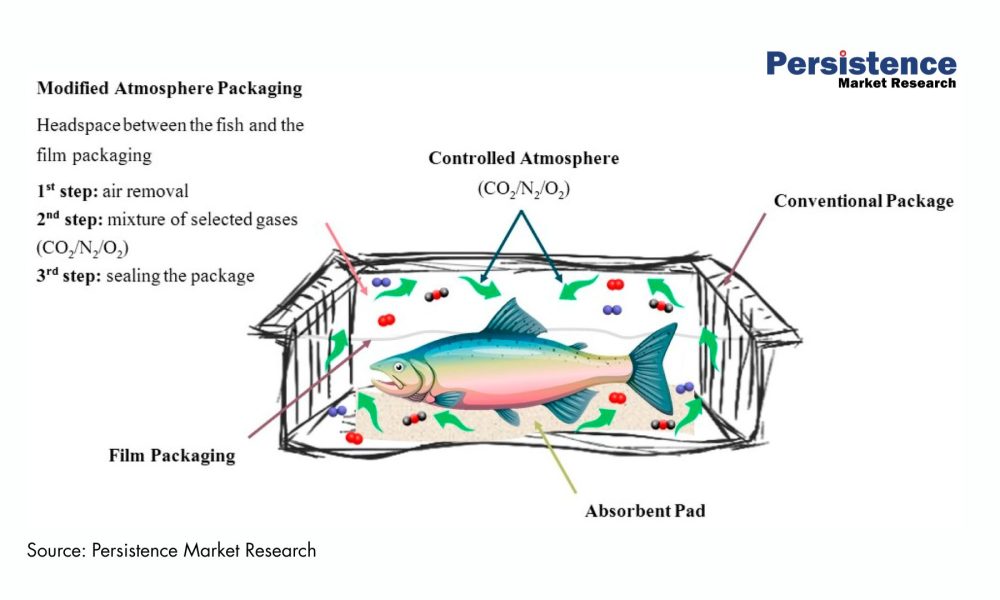
Active Modified Atmospheric Packaging (AMAP) has transformed the food and pharmaceutical packaging landscape by extending product shelf life, improving quality retention, and reducing waste. As consumer expectations evolve toward fresh, minimally processed foods, and sustainability becomes a major priority for brands and regulators alike, the AMAP market is poised for robust growth through the next decade. This blog delves into market size, drivers, challenges, regional trends, innovation trends, and future opportunities shaping the global Active Modified Atmospheric Packaging Market.
What Is Active Modified Atmospheric Packaging?
Active Modified Atmospheric Packaging (AMAP) refers to advanced packaging solutions that modify the gaseous environment inside a product package to slow degradation and microbial growth. Unlike traditional packaging, AMAP actively regulates oxygen, carbon dioxide, and other gases to create an optimal atmosphere tailored to specific products — notably perishable foods like fruits, vegetables, meat, seafood, and dairy. These systems can also include active elements such as oxygen scavengers and moisture regulators to further enhance performance.
By controlling the internal atmosphere, AMAP prolongs freshness, preserves nutritional quality and appearance, and reduces spoilage — critical benefits in a world focused on reducing food waste and improving supply chain efficiency.
Get Your FREE Sample Report Instantly – Click Now: https://www.persistencemarketresearch.com/samples/11470
Market Size and Growth Outlook
The global Active Modified Atmospheric Packaging Market is expected to reach around USD 25.4 billion in 2026, growing to about USD 37.9 billion by 2033, with a compound annual growth rate (CAGR) of approximately 5.9% during 2026–2033.
This broad expansion reflects increasing consumer demand for fresh, high-quality products and ongoing industry adoption of advanced packaging technologies to meet that demand while optimizing shelf life and supply chain performance.
Key Market Drivers
- Rising Demand for Fresh and Minimally Processed Foods
Consumers today prioritize freshness, natural quality, and minimal chemical preservatives in foods. This demand spans fresh produce, meat, poultry, seafood, dairy, and bakery items — all categories where extended shelf life directly influences purchase decisions. AMAP helps maintain product color, texture, nutritional value and taste for longer periods, making it a sought-after technical solution for producers and retailers.
- Reducing Food Waste and Supply Chain Losses
Food spoilage remains a major challenge globally. Post-harvest losses, particularly for fruits and vegetables, can reach up to 40% in developing regions without proper packaging. By modifying the internal atmosphere of packaging to slow respiration and microbial activity, AMAP significantly reduces spoilage during storage and transit. This not only improves profitability for producers and retailers but also contributes to global food security efforts.
- Sustainability Imperatives
Environmental concerns are reshaping packaging priorities across industries. AMAP systems increasingly adopt biodegradable and recyclable materials — for example, bio-based films that reduce environmental footprint while maintaining gas control properties. These innovations align with regulatory mandates and consumer demand for eco-friendly packaging solutions.
- E-Commerce and Cold Chain Expansion
The rapid rise of online grocery shopping and direct-to-consumer food deliveries demands packaging that preserves freshness even during longer transit times. AMAP solutions designed for extended durability are playing a key role in supporting cold-chain logistics, especially across developing regions in Asia Pacific and Latin America where e-commerce is booming.
Market Segmentation Insights
The AMAP market can be dissected across several segments:
Material Type
- Polyethylene (PE) holds a leading share due to cost-effectiveness, barrier properties, flexibility, and moisture resistance. It accounts for a significant portion of global AMAP materials used today.
- Advanced bio-based polymers like EVOH (ethylene vinyl alcohol) and EVA (ethylene vinyl acetate) are gaining traction for their superior barrier performance with improved eco-credentials.
Packaging Format
- Trays dominate the format landscape due to their robustness and suitability for packaging perishable items such as meat and seafood. Their compatibility with automated packing lines and display-ready design make them highly popular with large-scale food processors and retailers.
Application Categories
- Meat, Poultry & Seafood is the largest application segment, driven by high perishability and stringent hygiene requirements. AMAP significantly extends shelf life and supports compliance with food safety standards in these categories.
- Fruits & Vegetables represent one of the fastest-growing segments as harvest and distribution networks seek to minimize post-harvest losses.
- Other applications include dairy, bakery goods, ready-to-eat meals, and specialty foods where freshness and quality are critical.
End-Use Industries
The food industry dominates end-use consumption, accounting for the vast majority of AMAP demand. Its role in preserving food safety, maintaining nutritional profiles, and extending market reach makes it central to the technology’s global adoption.
Get a Customized Market View in One Click: https://www.persistencemarketresearch.com/request-customization/11470
Regional Market Trends
North America
North America leads the global AMAP market, driven by strong regulatory frameworks, advanced food safety standards, and extensive cold-chain infrastructure. Investments in innovative packaging — including smart and sustainable materials — underpin continued growth across meat, dairy, and fresh produce sectors in the region.
Europe
European adoption is driven by sustainability mandates from the EU and widespread consumer awareness of food quality and environmental impact. Countries such as Germany, France, and the U.K. are advancing eco-certified AMAP materials and integrating circular economy principles into packaging practices.
Asia Pacific
Asia Pacific is the fastest-growing region owing to rapid urbanization, expanding cold chain networks, and growing e-commerce adoption. China, India, and Japan represent significant growth opportunities, with high volume production and rising demand for packaged fresh foods and seafood products.
Challenges in the AMAP Market
Despite its growth prospects, the AMAP market faces several challenges:
High Setup Costs
Advanced MAP systems require specialized gas flushing equipment, high-barrier films, and skilled operators — elevating initial capital costs for small and medium enterprises. These upfront expenses can slow adoption, particularly in cost-sensitive markets.
Technical and Regulatory Complexity
Maintaining precise gas balance and meeting strict food safety regulations demands continuous monitoring and testing. Any imbalance may result in spoilage or microbial growth, raising compliance costs and operational challenges for manufacturers.
Cold-Chain Limitations
In regions with underdeveloped refrigeration infrastructure, AMAP effectiveness may be compromised, especially over long transport distances. Investments in cold-chain facilities are essential to realizing the full benefits of advanced atmospheric packaging.
Innovation and Future Opportunities
Smart Packaging Integration
Sensor-enabled packaging and IoT-based monitoring systems provide real-time insights into gas composition, temperature, and humidity — enhancing traceability and product safety throughout the supply chain. These smart systems offer significant value propositions, especially in high-value food and pharmaceutical segments.
Sustainability Trends
With environmental concerns at the forefront, manufacturers are investing in biodegradable, recyclable, and bio-based materials that align with circular economy goals. This shift not only meets regulatory expectations but also enhances brand appeal among eco-conscious consumers.
Competitive Landscape
The AMAP market is moderately consolidated, with major players like :
- Amcor Limited
- Berry Plastics Inc.
- Sealed Air Corporation
- Coveris Holdings S.A
- Linpac Packaging Limited
- Bemis Company Inc.
- Winpak Limited Company
- ULMA Packaging, S. Coop
- Ilapak International S.A
- MULTIVAC Group
These companies differentiate through sustainability innovations, advanced materials, and smart packaging technologies to maintain competitive edge and expand global reach.
For In-Depth Competitive Analysis, Buy Now: https://www.persistencemarketresearch.com/checkout/11470
Conclusion
The Active Modified Atmospheric Packaging Market stands at the intersection of consumer demand for freshness, the food industry’s drive to reduce waste, and sustainability imperatives shaping global packaging priorities. With strong growth projections through 2033 and beyond, AMAP technologies will continue to unlock value across food, beverage, and pharmaceutical sectors — supporting longer shelf life, better product quality, and more efficient supply chains worldwide.
About Persistence Market Research:
Persistence Market Research delivers strategic research solutions that drive business growth. Founded in 2012 and registered in England and Wales in 2023 as Persistence Research & Consultancy Services Ltd., we have completed 3,600+ custom and syndicated studies and supported 2,700+ projects for leading research firms. Combining traditional methodologies with modern tools, we provide actionable insights to multinational corporations, consultants, investors, and government bodies, earning strong trust through long-term client relationships.
Contact Us:
Persistence Market Research
Second Floor, 150 Fleet Street,
London, EC4A 2DQ, United Kingdom
USA Phone: +1 646-878-6329
UK Phone: +44 203-837-5656
Email: [email protected]
Web: https://www.persistencemarketresearch.com




