
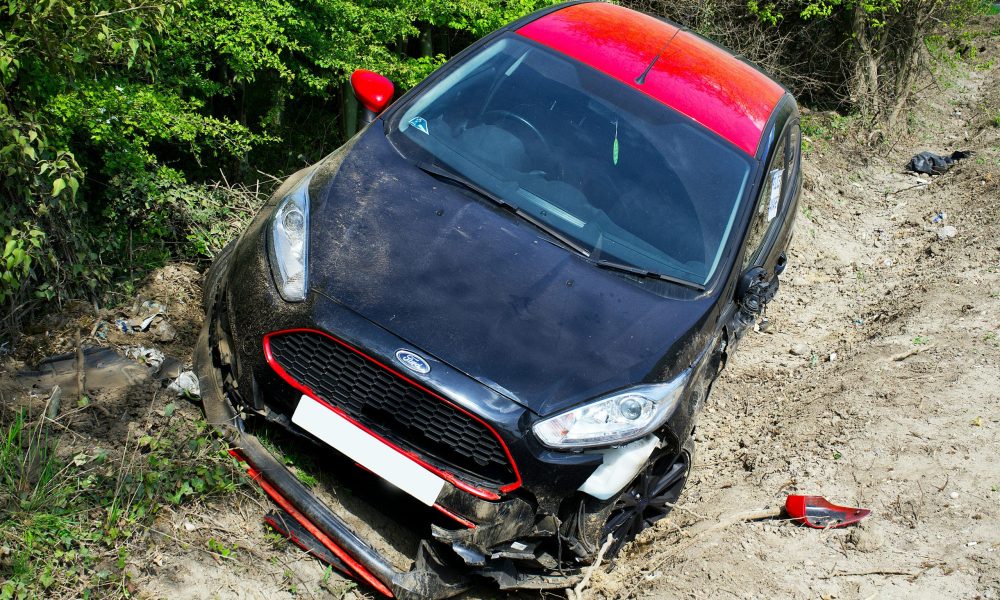
After an accident, many owners worry about the future resale value of their vehicle. Even repaired cars can lose market value quickly after a collision. This loss is called diminished value in the insurance terms of the claims process. It reflects the stigma attached to a previously damaged vehicle history report. Buyers often pay less for a wrecked car than the expected price. Understanding this concept helps during insurance claim negotiations and settlement talks. It also matters when trading wreck vehicle later for fair value. Knowing calculation methods supports stronger discussions with adjusters and legal advisors.
Value Loss Basics
After an accident, many owners worry about the future resale. Even repaired cars can lose market value quickly after a collision. This loss is called diminished value in the insurance terms of the claims process. It reflects the stigma attached to a previously damaged vehicle history report. Buyers often pay less for a wrecked car than the expected price. Understanding this concept helps during insurance claim negotiations and settlement talks. It also matters when trading wreck vehicle later for fair value. Knowing calculation methods supports stronger discussions with adjusters and legal advisors.
Key Value Factors
Several factors influence how insurers measure diminished value after serious crashes. The vehicle’s age plays a major role in the assessment process. Newer models usually suffer larger percentage losses after accident damage events. Mileage also affects buyers’ perceived reliability and future maintenance costs. The extent of structural damage strongly impacts the calculated reduction in resale price. Frame repairs create deeper concerns among cautious buyers reviewing history reports. Cosmetic repairs may result in smaller adjustments to value during the final evaluation. Market demand within the region shapes the final diminished figure for each claim. Popular brands sometimes retain stronger prices after repairs than lesser models. Insurers review comparable sales data before settling claims for damaged vehicles.
Insurance Calculation Methods
Insurance companies use different formulas to estimate losses after collisions. It applies percentage caps based on carefully assessed damage severity levels. The result sets the maximum possible diminished-value payment under the policy terms. Another approach compares similar vehicles sold locally after repair history disclosure. Adjusters analyze price gaps between clean and repaired listings in the market. Expert appraisers may personally inspect the wrecked car to render an accurate judgment. They document repairs, parts replaced, and quality standards during evaluation visits. Detailed reports will support negotiations with insurance representatives during later settlement meetings.
Strengthening Your Claim
Owners should collect repair invoices and photographs after each repair step. Complete documentation clearly proves the extent of previous damage to insurance adjusters. Independent appraisals provide neutral opinions about value loss for your vehicle. Consider hiring a specialist familiar with trading wreck vehicle cases in court. Keep records of maintenance before the accident occurred for claim support. A strong service history can reduce insurer arguments about prior issues. Communicate clearly and remain patient during today’s discussions with claim representatives. Request written explanations for any low settlement offers from the insurer. Compare the offer with independent estimates and local market sales data. Preparation increases confidence when trading wreck vehicle afterward for a replacement purchase.
Resale Market Impact
Diminished value directly affects resale negotiations with buyers in private sales. A wrecked car history appears on vehicle reports for many years. Transparency builds trust but may lower the final price during negotiation talks. Dealers evaluate repair quality before offering trade amounts to vehicle owners. Poor workmanship creates doubts about safety standards for future drivers, too. Proper repairs with documentation reduce buyer hesitation during resale meetings later. Some buyers avoid listings for previously wrecked cars on online marketplaces. Others negotiate aggressively after reviewing accident reports to request price reductions. Understanding these reactions helps set realistic expectations for the selling process ahead. Planning ahead eases stress during trade-in discussions with dealers.
State Laws Overview
Laws regarding diminished value vary widely across the country. Some states allow first-party claims against insurers under certain policies. Others restrict recovery to third-party liability situations after accidents occur. Court decisions shape how formulas are applied locally in disputed cases. A consulting attorney may clarify complex policy language for your claim rights. Legal advice becomes useful when a settlement seems unfair or insufficient compensation. Deadlines for filing claims differ across jurisdictions within each state system. Missing deadlines can entirely bar recovery of diminished value after accidents. Research local rules before selling a damaged vehicle legally to avoid issues. Awareness protects financial interests after serious collisions involving your vehicle today.
Wrap up:
Diminished value remains important after any traffic accident involving your car. Careful research supports fair compensation from insurers during claim process negotiations. Keeping accurate records strengthens your position during settlement talks with company adjusters present. Professional advice guides decisions about repairs, resale options, and the future value of wrecked cars after the sale.
Smart planning reduces losses linked to damaged vehicles in resale markets. Informed owners approach the resale process with confidence and clear expectations ahead.




