
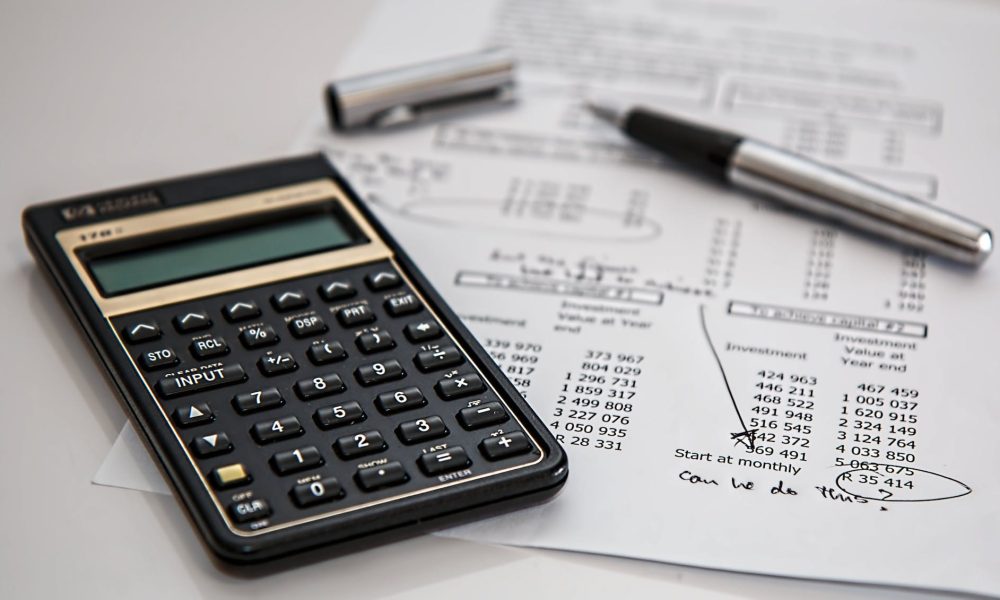
Saving money is important, and no matter what your household income might be, spending unwisely is never a good idea – it could leave you in serious trouble. That’s why it’s a great idea to make a budget. In that way, you’ll know how much you have to spend on non-negotiable outgoings like your rent or mortgage, insurance, and utilities and how much you have for everything else.
The problem is that although this sounds like a brilliant idea that can really help you when it comes to your finances, the fact is that sticking to a budget isn’t always easy, and you might find you go over it. Once in a while, that’s not going to hurt too much, but if you do it all the time, your budget may as well not exist. With that in mind, here are some tips to stop you going over your budget and help keep your finances in check.
Choose Prepaid Electricity
Utility bills can get expensive, and although they’re needed – you can’t not pay them – when they’re more expensive than you thought they’d be because you’ve used more power, for example, that can have a big impact on the rest of your budget, leaving you with less to spend on food or your hobbies, for example.
That’s why prepaid electricity is such a good idea. If you pay in advance, the issue is dealt with, and you’ll know exactly how much money you have left. Plus, when you pay for a certain amount of electricity, you’ll be more careful about using it, helping you to get into good habits for the rest of your life.
Use Cash Envelopes
Although a lot of what you buy is done online because it’s easier and more convenient, that could be a big reason for overspending – it’s just too easy and convenient. Using cash envelopes instead is a great way to ensure you never go over your budget, and it can help you learn how to spend your money more wisely.
At the start of the month, head to the bank or an ATM and withdraw the money you’re going to need to spend. Put a specific amount (you’ll need to work this out in advance) into each envelope and label it for things like grocery shopping, clothes, takeout, and anything else you might spend that isn’t a direct debit payment. In that way, when you run out of cash, you simply can’t buy anymore, and you’ll stick to your budget because you’ll have no choice.
Track Your Expenses
One issue that people have is that they don’t realize quite how much they’re spending, especially when a lot of the payments are automatic. Everything’s set up in advance, and they don’t have to think about it until they run out of money for the things they want to buy.
To get past this issue, make it your mission to track your expenses for a couple of months. It might surprise you just how much you’re spending in certain areas, or on subscriptions you don’t actually use, and when you know, you can stop spending that money and allocate it elsewhere.




