
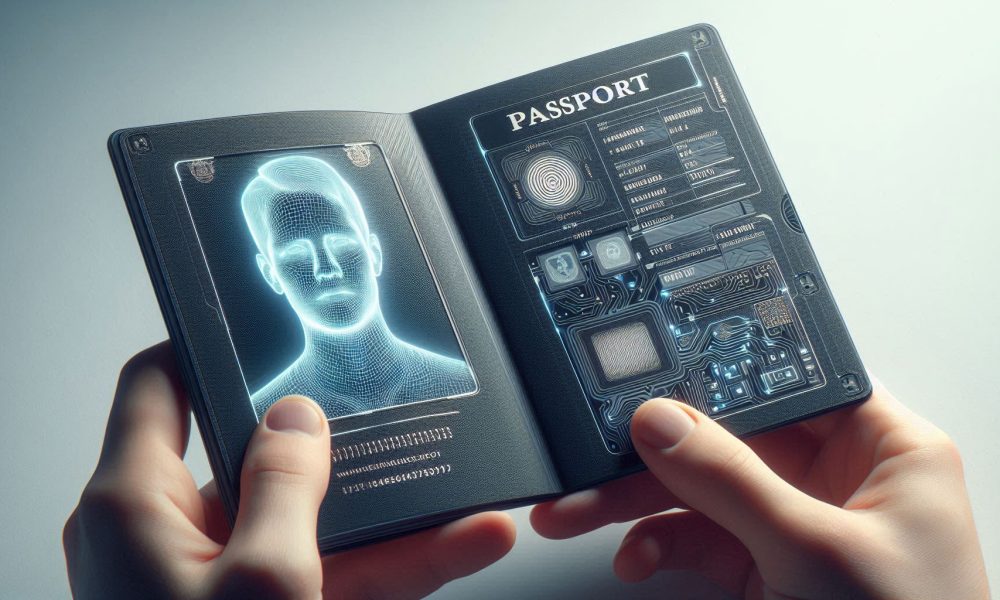
The answer lies in embedded chips, digital photos, encrypted identity checks, and the layered security systems that turned the modern passport into a far more advanced border document than most travelers realize.
WASHINGTON, DC, April 17, 2026.
When people ask what a biometric passport is, they are usually asking about the small electronic leap that changed the passport from a printed identity booklet into a digital travel document designed to be read, authenticated, and cross-checked much faster than older paper-based systems ever allowed.
A biometric passport, often called an e-passport, is a passport with an embedded contactless chip that stores core identity information and a digital version of the holder’s passport photograph, allowing border systems to compare what is printed on the document with what is stored electronically inside it.
The clearest official explanation appears in the U.S. State Department’s passport FAQ, which says the chip securely stores the same information shown on the photo page, a biometric identifier in the form of a digital image of the passport photo for facial recognition at ports of entry, a unique chip identification number, and a digital signature that protects the stored data from alteration.
The modern biometric passport is really a paper document with a secure digital identity layer built into it.
That is the simplest way to understand how it works, because the passport still looks like a familiar booklet in the traveler’s hand, yet inside the cover is a contactless chip that adds a second layer of identity verification beyond the printed page and visible photograph.
Older passports relied mainly on what an officer could see, touch, and inspect, while biometric passports add a machine-readable, digitally signed layer that lets border equipment confirm whether the data on the chip matches the document and whether the document appears to have been altered or cloned.
This change matters because a printed passport can be visually convincing even when it has been tampered with, while a biometric passport forces fraudsters to fake not only the physical booklet but also the electronic data structure and the security checks that go with it.
The chip is the feature travelers hear about first, but the chip alone is not the whole story.
The embedded chip is important because it is where the passport stores its digital information, yet the real strength of a biometric passport comes from how that chip, the printed data page, the facial image, and the issuing government’s authentication system all work together.
In practice, a border reader scans the passport, reads the machine-readable zone, accesses the chip, and checks whether the electronic record corresponds with the physical document presented by the traveler, which makes it much harder for someone to swap photos, alter identity details, or present a counterfeit booklet that cannot survive digital inspection.
That is why the term biometric passport can sound slightly misleading to ordinary readers, because the passport is not powerful simply because it contains biometric data, but because the entire document was designed as a coordinated security system rather than a simple paper credential.
The biometric part usually begins with the digital facial image, because face matching has become the core identity check in most passport systems.
The facial image stored on the chip is the central biometric identifier in most modern passport systems, and that matters because the passport can now be linked to automated checks that compare the traveler’s face with the photo stored in the document rather than relying only on human visual judgment.
This is one reason border processing has changed so dramatically during the past two decades, because officers and automated gates are no longer checking only whether a printed photo roughly resembles the traveler standing in front of them, but whether the underlying digital identity record and the live face align closely enough to pass the system’s threshold.
In practical terms, the passport becomes part of a multi-step identity test, because the document must appear genuine, the chip data must validate correctly, and the face presented at inspection must correspond to the biometric record stored in the passport.
How the chip is read matters because the passport is designed to work with short-range contactless inspection rather than broad, constant broadcast.
Many travelers imagine the passport chip as some kind of always-on tracking device, yet the more accurate description is that it is a contactless integrated circuit designed to be read at close range by authorized inspection systems using specific access procedures.
That design matters because the passport was built to support border inspection and document authentication, not to function as a roaming public beacon that continuously announces the traveler’s identity to anyone nearby with generic equipment.
Modern e-passport standards also use protective mechanisms intended to limit casual access, which is why the chip is part of a controlled inspection environment rather than a free-floating digital signal intended for everyday public scanning.
Biometric passports work best when the physical document and the digital record reinforce each other.
The passport’s printed data page, laser-engraved elements, polycarbonate construction, machine-readable zone, and embedded chip are all there for the same reason, which is to create several overlapping ways to test whether the document is real and whether the person presenting it is the rightful holder.
That layered approach explains why modern passports feel much harder to fake than older documents, because a convincing counterfeit now has to survive not only visual inspection but also machine checks, chip validation, and increasingly face-based matching systems at airports and border posts.
Readers interested in the broader security design of modern travel documents can see that same issue explored in Amicus coverage of electronic passports and how they differ from older passport models, and in a separate Amicus explainer on the modern security features that make passports harder to forge.
This is why biometric passports changed airport processing, not just passport design.
Once governments and airports could rely on digital passport data and facial comparison, the passport stopped being only a booklet checked by hand and became a key input for automated gates, faster identity matching, and more consistent screening at busy border points.
That shift is visible in current border policy, including the changes described in a Reuters report on Europe’s newer biometric border system, which explains that travelers scan passports and provide biometric information as part of a more automated entry and exit process.
The broader point is that biometric passports did not evolve in isolation, because they grew alongside airport automation, digital watchlist checks, and facial recognition systems that needed a more reliable travel document to feed into the modern border-control environment.
A biometric passport does not mean every country stores the exact same type of biometric information in the exact same way.
The common idea is the same across systems, because the passport includes a chip and supports biometric identity verification, yet countries can differ in how they implement standards, which optional features they use, and how deeply the passport is integrated into broader border technology.
Even so, the basic structure remains recognizable across the global e-passport environment, because the document is meant to be machine-readable, digitally verifiable, and suitable for identity matching in a way that older non-electronic passports were not.
That consistency matters because passports are international documents, and their usefulness depends on other states being able to read them, validate them, and interpret them within a common technical framework rather than inside a purely domestic design system.
The biggest benefit is not convenience alone, but stronger resistance to tampering and identity substitution.
Travelers often experience biometric passports as a speed feature because they can help move people through automated gates and faster border lanes, yet the deeper reason governments invested in them was security rather than mere convenience.
A digitally signed chip record makes it harder to alter identity details without detection, while a digital facial image makes it harder to replace a photo in a way that fools both human inspectors and electronic readers at the same time.
That combination is what turned biometric passports into such an important anti-fraud tool, because the document was no longer judged only by visible printing quality, laminates, or photo placement, but by whether its electronic identity layer still matched the issuing state’s protected record.
That said, a biometric passport is not a magic fraud-proof document, because real-world security still depends on issuance, inspection, and system discipline.
A genuine biometric passport can still be misused by the wrong person if screening is weak, and a sophisticated fraud attempt can still exploit poor enrollment, weak identity checks at issuance, or human error at the border, even when the document itself is technically advanced.
This is why modern passport security is always bigger than the chip, because the document only works as intended when the issuing authority verifies identity carefully, the passport is produced securely, the border reader is functioning properly, and the officer or automated system interprets the result correctly.
In other words, biometric passports raised the security floor significantly, but they did not eliminate the need for disciplined document issuance, strong border procedure, and accurate matching between the traveler and the identity the passport claims to represent.
Privacy concerns persist because stronger identity verification always raises questions about how much data governments collect and how long they keep it.
For many travelers, the most immediate concern is not whether the passport is secure enough, but whether the combination of digital identity, facial matching, and automated border control gives governments too much ability to monitor movement or expand biometric tracking beyond narrow travel purposes.
Those concerns are real enough to matter, even though the passport itself was designed as a secure travel document rather than as a public surveillance gadget, because once the chip, the face image, and the border database all become part of the same ecosystem, travelers naturally want to know how that information is used.
That debate is likely to keep growing as more border systems become automated and more airports link passport checks with facial comparison, because convenience, fraud prevention, and privacy questions are now part of the same conversation rather than separate policy worlds.
The reason biometric passports matter in 2026 is that modern travel now assumes digital identity checks, not just printed identity checks.
A traveler can still think of a passport as a booklet with a photograph and a stamp space, yet the real passport system operating behind that booklet is now much more digital, much more automated, and much more dependent on secure identity verification than it was in the era of purely visual inspection.
That is why the phrase biometric passport has become so important in search and in public discussion, because it describes the moment when the passport stopped being just a paper proof of citizenship and became a hybrid document built for the age of machine reading, encrypted records, and face-based verification.
The answer, then, is that a biometric passport works by combining a secure chip, a digital facial image, printed identity data, and authentication technology into one layered travel document designed to make identity checks faster, harder to fake, and more reliable across modern border systems.




