
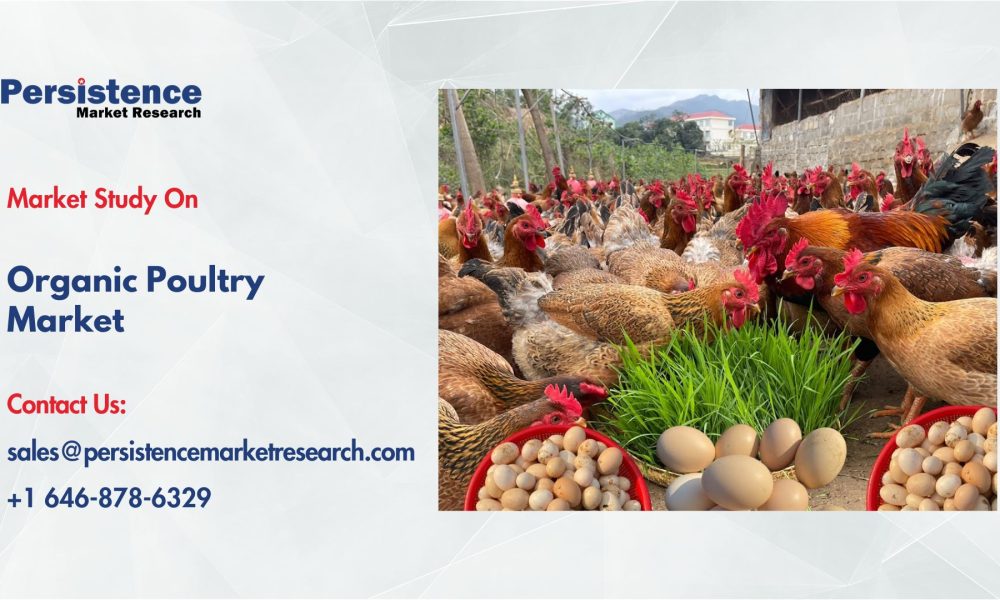
The global organic poultry market is poised for steady expansion, driven by shifting consumer preferences toward clean-label, ethically sourced, and chemical-free animal protein products. The market is likely to be valued at US$ 9.6 billion in 2026 and is projected to reach US$ 13.1 billion by 2033, registering a compound annual growth rate (CAGR) of 4.5% during the forecast period 2026–2033. This consistent growth trajectory reflects rising awareness of food safety, animal welfare standards, and the environmental impact of conventional poultry farming.
The organic poultry market encompasses poultry meat and related products produced in compliance with certified organic farming standards. These standards typically prohibit the use of synthetic pesticides, genetically modified feed, antibiotics, and growth hormones. Growing consumer concerns regarding antibiotic resistance, food contamination, and long-term health implications of chemically treated livestock are key drivers supporting market growth. Additionally, increasing disposable incomes, rapid urbanization, and the proliferation of organized retail channels are contributing to enhanced product accessibility.
Rising demand for high-protein diets, particularly among health-conscious consumers, athletes, and individuals adopting balanced nutrition regimens, further supports the expansion of organic poultry consumption. Governments and regulatory authorities in various regions are strengthening organic certification frameworks, boosting consumer confidence and ensuring transparency in labeling. Sustainability initiatives aimed at reducing carbon footprints and promoting responsible farming practices are also influencing industry dynamics.
Get Your FREE Sample Report Instantly – Click Now: https://www.persistencemarketresearch.com/samples/31484
Segmentation Analysis
By Product Type
- Organic Meat
- Organic Eggs
By Processing Type
- Fresh
- Frozen
- Processed
By Distribution Channel
- Supermarkets
- Specialty Stores
- Online Sales
- Others
Regional Insights
North America currently represents a leading regional market for organic poultry, supported by high consumer awareness, well-established organic certification systems, and strong retail penetration. The United States, in particular, demonstrates robust demand due to increasing health consciousness and widespread availability of certified organic meat products across major retail chains.
Europe also holds a significant market share, driven by stringent food safety regulations, environmental sustainability initiatives, and strong consumer advocacy for animal welfare. Countries such as Germany, France, and the United Kingdom have witnessed consistent growth in organic food consumption, including poultry.
Asia-Pacific is projected to be the fastest-growing region during the forecast period. Rising urbanization, expanding middle-class populations, and growing awareness regarding food quality and safety are fueling demand for organic protein sources. Countries such as China, Japan, and Australia are experiencing increased investments in organic farming infrastructure and certification systems. Moreover, regional governments are encouraging sustainable agricultural practices to address environmental challenges, further supporting market growth.
Latin America and the Middle East & Africa are expected to exhibit moderate yet promising growth. Expanding modern retail networks and gradual shifts toward premium food consumption patterns are contributing to increasing demand for organic poultry in these regions.
Unique Features and Innovations in the Market
The organic poultry market is characterized by strict compliance with organic farming standards, humane animal rearing practices, and transparent supply chain management. Modern organic poultry farms emphasize free-range systems, organic feed sourcing, and minimal environmental impact. These attributes differentiate organic poultry from conventional alternatives and enhance consumer trust.
Technological advancements are increasingly shaping the industry. Artificial intelligence (AI) and data analytics are being deployed to monitor flock health, optimize feed efficiency, and predict disease outbreaks without relying on antibiotics. Internet of Things (IoT)-enabled sensors assist in maintaining optimal environmental conditions within poultry houses, ensuring compliance with welfare standards. Blockchain-based traceability systems are gaining traction, enabling consumers to track product origins and certification details.
Digital transformation is also enhancing supply chain efficiency. Advanced cold chain logistics, real-time inventory tracking, and predictive demand analytics are reducing wastage and improving profitability. Sustainable packaging innovations, including biodegradable and recyclable materials, are aligning with broader environmental objectives and strengthening brand positioning.
Need Tailored Insights? Request Customization Now: https://www.persistencemarketresearch.com/request-customization/31484
Market Highlights
The global organic poultry market is gaining momentum due to increasing consumer demand for safe, chemical-free protein sources. Businesses are adopting organic production models to cater to premium segments and differentiate themselves in competitive retail environments. The emphasis on antibiotic-free and hormone-free labeling plays a crucial role in influencing purchasing decisions.
Regulatory frameworks governing organic certification are reinforcing market credibility. Governments across developed regions are implementing strict inspection mechanisms to prevent mislabeling and ensure product authenticity. These regulations are fostering consumer confidence and supporting long-term industry growth.
Cost reduction through operational efficiencies and technological integration is gradually narrowing the price gap between organic and conventional poultry products. Sustainability initiatives, including reduced carbon emissions, improved waste management, and responsible feed sourcing, are further enhancing the appeal of organic poultry products among environmentally conscious consumers.
Key Players and Competitive Landscape
- Tyson Foods, Inc.
- Perdue Farms, Inc.
- Sanderson Farms
- Pilgrim’s Pride Corp.
- Bell & Evans
- Shenandoah Valley Organic
- Yorkshire Valley Farms
- Petaluma Poultry
- Riverford Organic Farmers Ltd.
- Hain Celestial Group
- Tecumseh Poultry LLC
- Bostock’s Organics
- Cargill, Inc.
- Plukon Food Group
Future growth opportunities lie in premiumization, private-label organic poultry offerings, and expansion into foodservice segments. The integration of advanced technologies such as AI-driven farm management systems and blockchain-based traceability solutions is expected to further enhance operational efficiency and transparency.
Evolving regulatory standards and increasing scrutiny of food labeling practices will continue to shape the competitive landscape. Companies that prioritize compliance, sustainability, and innovation are likely to secure long-term market leadership. As global demand for organic protein sources continues to expand, the organic poultry market is expected to maintain stable growth momentum through 2033.
Explore the Latest Trending Research Reports:




