
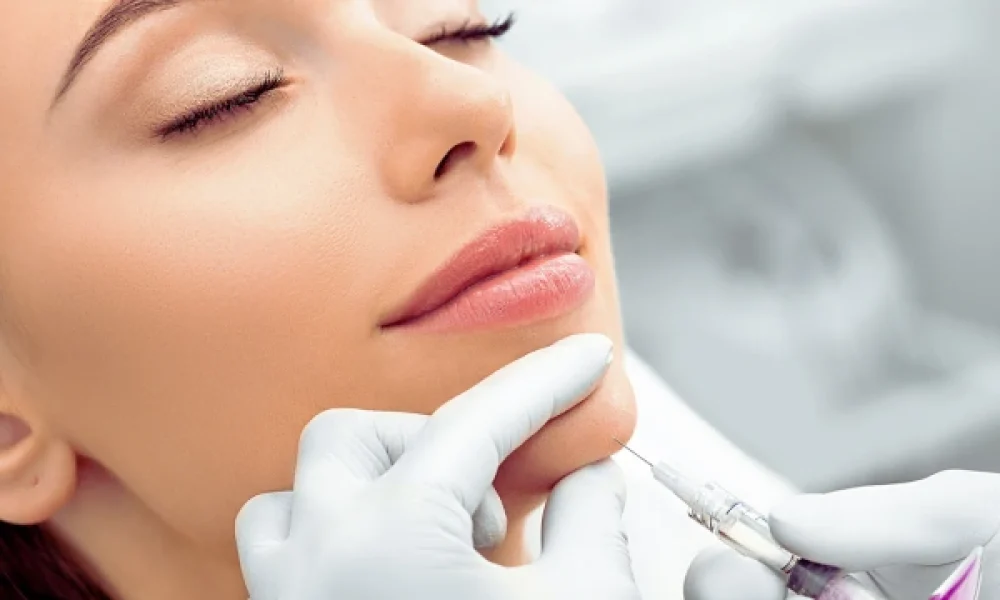
The global skin boosters market has evolved rapidly over the past decade, transitioning from a niche aesthetic offering to a mainstream component of modern skincare and aesthetic medicine. Skin boosters are injectable treatments, typically based on hyaluronic acid and other biocompatible compounds, designed to deeply hydrate the skin, improve elasticity, restore radiance, and stimulate long-term collagen production. Unlike traditional dermal fillers that focus on volume enhancement, skin boosters emphasize skin quality, hydration, and overall texture, making them highly appealing to consumers seeking natural-looking and preventative aesthetic solutions.
From a market valuation standpoint, the skin boosters market is projected to grow from US$ 1.48 billion in 2025 to US$ 3.33 billion by 2032, registering a robust CAGR of 12.3% during the forecast period. This strong growth trajectory reflects rising global awareness of non-invasive aesthetic procedures, increasing disposable income, and the growing acceptance of injectable skincare treatments among younger demographics. The historical CAGR of 9.9% between 2019 and 2024 further demonstrates steady adoption, setting a solid foundation for accelerated future growth driven by innovation, wellness integration, and expanding medical aesthetics infrastructure.
The primary drivers fueling this expansion include the rising emphasis on preventative skincare, growing influence of social media and beauty standards, technological advancements in injectable formulations, and the shift toward minimally invasive cosmetic procedures. Among product segments, mesotherapy dominates the market with a 65% share due to its proven efficacy, customization capabilities, and ability to deliver nutrients directly into the skin’s mesodermal layer. From an end-user perspective, medical spas lead the market with a 64% share, benefiting from their hybrid approach that combines clinical expertise with wellness and relaxation services. Geographically, North America holds the leading position with approximately 30% of global revenue, supported by high healthcare spending, strong aesthetic awareness, and early adoption of advanced cosmetic technologies.
Download Your Free Sample & Explore Key Insights: https://www.persistencemarketresearch.com/samples/35155
Key Highlights from the Skin Boosters Market Report
• The global skin boosters market is forecast to grow at a CAGR of 12.3% between 2025 and 2032, reaching US$ 3.33 billion by the end of the forecast period.
• Mesotherapy remains the leading product type, accounting for nearly 65% of total market share due to its targeted and customizable treatment approach.
• Medical spas dominate the end-user segment with a 64% share, driven by holistic wellness offerings and rapid adoption of aesthetic innovations.
• North America leads global revenue generation, contributing around 30% of total market sales.
• Innovations in nanotechnology and non-invasive delivery systems are enhancing the effectiveness and adoption of skin booster formulations.
• The market is shifting toward skin longevity and preventative care rather than short-term cosmetic correction.
Market Segmentation Analysis
The skin boosters market is segmented based on product type, end-user, and application, each playing a critical role in shaping market dynamics and growth potential. By product type, mesotherapy holds a dominant position due to its versatility and effectiveness in addressing a wide range of skin concerns, including dehydration, dullness, fine lines, and early signs of aging. Mesotherapy involves micro-injections of hyaluronic acid combined with vitamins, enzymes, and plant extracts, allowing practitioners to customize treatments based on individual skin needs. This high degree of personalization, combined with minimal downtime, has significantly boosted its popularity across age groups.
Other product types within the market include injectable hyaluronic acid skin boosters with advanced cross-linking technologies and bio-stimulatory formulations designed to enhance collagen synthesis. These products appeal to consumers seeking long-term skin improvement rather than immediate cosmetic changes. The growing demand for clean-label, biocompatible, and clinically tested formulations further influences purchasing decisions, encouraging manufacturers to invest in research and development.
From an end-user perspective, medical spas represent the largest and fastest-growing segment. Med spas offer a unique blend of medical-grade treatments and spa-like experiences, attracting consumers who prioritize both efficacy and comfort. Dermatology clinics and aesthetic centers also contribute significantly to market revenue, particularly in urban regions where access to licensed professionals and advanced technologies is readily available. Hospitals and specialty clinics play a smaller but important role, especially in markets with stricter regulatory frameworks or where treatments are integrated into broader dermatological care plans.
Get Custom Insights Designed for Your Business: https://www.persistencemarketresearch.com/request-customization/35155
Regional Insights and Market Trends
Regional dynamics significantly influence the growth and adoption of skin boosters, shaped by cultural attitudes toward aesthetics, healthcare infrastructure, regulatory policies, and disposable income levels. North America remains the dominant regional market, driven by widespread acceptance of aesthetic procedures, strong consumer awareness, and a mature medical aesthetics ecosystem. High healthcare expenditure, advanced technology adoption, and the presence of leading market players further support regional growth. In the United States, which accounts for approximately 72% of North American revenue, rising interest in non-invasive treatments among millennials and Gen Z consumers continues to fuel demand. Social media influence and the normalization of aesthetic enhancements have played a key role in shaping consumer behavior.
Europe represents the second-largest market, supported by increasing awareness of dermatological disorders and growing dissatisfaction with skin appearance among younger demographics. Countries such as Germany, France, Italy, and the United Kingdom exhibit strong demand for injectable skin treatments due to the availability of skilled practitioners and favorable reimbursement structures in some regions. Germany, in particular, has witnessed a high volume of injectable filler procedures, with hyaluronic acid-based treatments accounting for a significant share of non-surgical aesthetic interventions. Urbanization, product approvals, and advancements in non-invasive techniques continue to drive market expansion across Europe.
The Asia Pacific skin boosters market is expected to register the highest CAGR of 14.7% during the forecast period, making it a key growth engine for the global industry. Factors such as expanding medical tourism, cost-effective treatment options, increasing beauty consciousness, and strong influence of celebrity endorsements are driving adoption across countries like China, India, South Korea, Malaysia, and Thailand. The rapid growth of the beauty and wellness sector, combined with technological advancements and international product launches, positions Asia Pacific as a highly attractive region for market players seeking long-term growth opportunities.
Market Drivers
The primary driver of the skin boosters market is the growing awareness of preventative skincare and the concept of skin longevity. Consumers, particularly those in their mid-20s to early 30s, are increasingly investing in treatments that delay the onset of aging rather than correcting visible damage later in life. Studies indicating a higher demand for anti-aging ingredients among women aged 25–34 underscore this shift toward proactive skin maintenance. Skin boosters support this trend by offering deep hydration, improved elasticity, and stimulation of collagen production, making them a cornerstone of long-term skincare strategies. Medical professionals and skincare specialists advocate early intervention, reinforcing consumer confidence in these treatments as part of holistic beauty and wellness routines.
Market Restraints
Despite strong growth prospects, the skin boosters market faces notable restraints related to safety concerns and fear of side effects. Potential risks such as bruising, swelling, allergic reactions, and rare complications can deter risk-averse consumers. Inconsistent regulatory enforcement across regions and the presence of unlicensed practitioners further exacerbate these concerns, undermining consumer trust. Additionally, the lack of standardized treatment protocols can lead to variable outcomes, discouraging repeat treatments. Addressing these challenges requires industry-wide emphasis on patient education, practitioner training, and stringent quality control measures to ensure safety and efficacy.
Market Opportunities
The integration of skin boosters with holistic wellness trends presents a significant opportunity for market expansion. As consumers increasingly view beauty as an extension of overall health, skin boosters are being positioned alongside nutritional therapy, IV hydration, hormone balancing, and biohacking solutions. This convergence of aesthetics and wellness allows providers to offer comprehensive, long-term skin health programs rather than standalone cosmetic treatments. Medical spas and wellness centers that successfully bundle skin boosters with lifestyle and wellness services are well-positioned to capture evolving consumer demand. Brands that align their messaging with skin longevity, wellness, and preventative care are likely to gain a competitive edge in this rapidly evolving market.
Checkout Now & Download Complete Market Report: https://www.persistencemarketresearch.com/checkout/35155
Company Insights
The global skin boosters market is characterized by intense competition, with established multinational companies and emerging regional players continuously innovating to strengthen their market presence. Leading companies invest heavily in research and development, clinical trials, and strategic collaborations to enhance product performance and expand their geographic footprint. The competitive landscape is further shaped by new product launches, advanced hyaluronic acid formulations, and increasing emphasis on safety and efficacy.
• Sinclair
• Teoxane
• Galderma
• Merz Pharma
• Medytox, Inc.
• ExoCoBio Inc.
• VAIM Co., Ltd
• Dexlevo Co., Ltd.
• AbbVie, Inc. (Allergan)
• PharmaResearch Co., Ltd.
• Bloomage Biotechnology
• IBSA Farmaceutici Italia Srl
• LINKUS GLOBAL Co., Ltd.
Market Segmentation
By Therapy Type
- Mesotherapy
- Micro-needle
By Ingredient
- Hyaluronic acid (HA)
- Polydeoxyribonucleotides (PDRN)
- Poly-L-Lactic Acid (PLLA)/ Poly-D, L-Lactic Acid (PDLLA)
- Polycaprolactone (PCL)
- Exosomes
By Gender
- Female
- Male
By End-use
- Med Spas
- Dermatology Clinics
By Region
- North America
- Europe
- East Asia
- South Asia and Oceania
- Middle East and Africa
- Latin America
Recent developments highlight the industry’s innovation-driven nature. In October 2024, Merz Pharma established its Research & Development Innovation Center in Raleigh to enhance global collaboration and accelerate product innovation. In the same month, IBSA Farmaceutici Italia Srl expanded its Profhilo portfolio using patented Nahyco technology to target age-related changes in facial adipose tissue, reinforcing the market’s focus on advanced, science-backed skin rejuvenation solutions.
Conclusion
The skin boosters market is undergoing a transformative phase, driven by shifting consumer preferences toward preventative skincare, minimally invasive treatments, and holistic wellness integration. With strong projected growth, expanding applications, and continuous innovation, skin boosters have established themselves as a vital component of modern aesthetic medicine. While challenges related to safety perceptions and regulatory inconsistencies persist, ongoing advancements in formulation technology, practitioner training, and consumer education are expected to mitigate these concerns. As the industry continues to evolve, companies that prioritize skin longevity, wellness-driven solutions, and scientific credibility will be best positioned to capitalize on the expanding global demand for skin boosters.




