
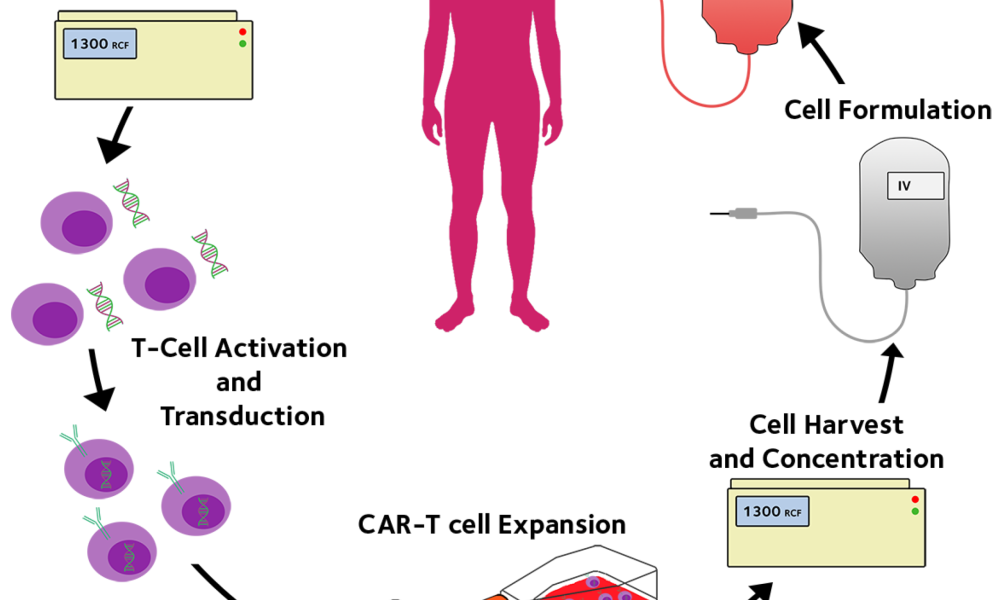
The global autologous cell therapy market is experiencing substantial growth and is projected to continue expanding significantly in the coming years. Valued at USD 5.3 billion in 2024, the market is expected to reach USD 12.1 billion by 2031, growing at a robust compound annual growth rate (CAGR) of 12.6% from 2024 to 2031. This promising outlook is driven by a combination of technological advancements, increasing applications in treating chronic and autoimmune disorders, and the growing prevalence of diseases like cancer and blood-related conditions.
Market Overview and Trends
Autologous cell therapies, which involve using a patient’s own cells for therapeutic purposes, are gaining considerable attention due to their personalized nature. The approach reduces the risk of immune rejection, a common challenge in conventional treatments, and enhances treatment efficacy. This trend is gaining momentum as more patients and healthcare providers recognize the value of personalized medicine.
Autologous cell therapies are being utilized across a wide range of applications, from cancer treatment to autoimmune diseases and blood disorders. These therapies, including advanced immunotherapies such as CAR-T (Chimeric Antigen Receptor T-cell) therapy, have demonstrated promising results, further fueling the demand for autologous treatments. The increasing sophistication of these therapies, enabled by new technologies and ongoing research, is expected to unlock new treatment avenues and expand the market.
The introduction of new, advanced technologies that allow for more precise and effective treatments is another key driver of market growth. These technologies are not only improving treatment outcomes but also making autologous therapies more accessible to patients worldwide. The growing focus on precision medicine and the development of personalized treatment plans further align with the current trends driving the market.
Download Your Free Sample & Explore Key Insights
Historical Growth and Future Projections
From 2019 to 2023, the autologous cell therapy market experienced a strong growth trajectory, expanding at a CAGR of 11.8%. This consistent growth reflects the increasing adoption of autologous cell therapies across various therapeutic areas and the continuous advancements in cell therapy technologies. Moving forward, the market is set to continue its growth, with an expected CAGR of 12.6% from 2024 to 2031, pushing the market value from USD 5.3 billion in 2024 to USD 12.1 billion by the end of the forecast period.
The key drivers behind this growth include the increasing prevalence of chronic and autoimmune diseases, the rising number of cancer cases, and the continued progress in cell therapy technologies. The market’s expansion is further bolstered by the rising number of FDA approvals for autologous therapies and the growing number of clinical trials.
Key Market Drivers
Increasing Prevalence of Chronic Diseases
The rising incidence of chronic diseases, such as cancer, autoimmune disorders, and blood-related conditions, is a significant market driver. As the global burden of these diseases grows, the demand for effective, personalized therapies like autologous cell therapy is expected to surge. Autologous therapies, particularly those utilizing a patient’s immune cells, have shown excellent potential in addressing these diseases, especially cancers that are resistant to traditional treatments.Technological Advancements and Research
The development of innovative cell isolation, expansion, and modification techniques has enhanced the efficacy and safety of autologous cell therapies. In addition, the integration of gene editing tools and novel cell types has broadened the therapeutic scope of autologous cell therapies. Ongoing research in areas such as CAR-T cell therapies and stem cell treatments is continually expanding the potential applications of these therapies.Favorable Regulatory Environment
The supportive regulatory environment, particularly the actions of the U.S. Food and Drug Administration (FDA) and the European Medicines Agency (EMA), has played a crucial role in accelerating the adoption of autologous cell therapies. Regulatory bodies have granted fast-track and accelerated approvals to numerous therapies, which has helped boost market growth. Additionally, continued regulatory support for innovative therapies further strengthens the market’s prospects.
Get Custom Insights Designed for Your Business
Challenges in the Market
Despite its growth potential, the autologous cell therapy market faces several challenges, particularly in terms of manufacturing complexity and cost. The personalized nature of autologous therapies means that each treatment must be custom-tailored for individual patients. This often leads to high production costs, complicated manufacturing processes, and significant logistical hurdles. Scaling up production to meet growing demand remains a challenge, especially as the number of clinical trials and FDA-approved therapies increases.
Furthermore, while regulatory bodies have generally supported autologous therapies, navigating the complex regulatory landscape remains a challenge for many companies, particularly those working on novel therapies that are not yet widely accepted.
Market Opportunities
Expansion of Therapeutic Indications
As research in autologous cell therapies continues to evolve, there is a growing potential for the expansion of their therapeutic applications. While autologous therapies have already proven effective in treating cancer, autoimmune diseases, and musculoskeletal disorders, they are increasingly being explored for use in neurodegenerative diseases, cardiovascular conditions, and dermatological applications. The expansion into these areas presents new opportunities for market growth.Advancements in Manufacturing and Scalability
The future of autologous cell therapy hinges on advancements in manufacturing and scalability. Currently, the individualized nature of the therapy presents significant challenges in terms of cost and production time. However, ongoing research into more efficient and scalable manufacturing techniques—such as the development of automated systems, bioreactors, and closed-loop manufacturing platforms—will likely reduce these challenges, enabling companies to scale up production and make autologous therapies more commercially viable.
Segment Analysis
By Therapy
In 2023, the autologous cellular immunotherapies segment dominated the market, accounting for over 49.7% of the market share. This category includes CAR-T cell therapy, which has shown remarkable success in treating cancers. CAR-T therapies are being explored for various cancer types, including lymphoma, leukemia, and multiple myeloma.By Application
The cancer segment was the largest application area for autologous cell therapy in 2023, holding a market share of 29.9%. As the global cancer burden continues to rise, particularly in regions like North America, the demand for innovative treatments such as autologous cell therapy is expected to grow. Other therapeutic applications, including wound healing and orthopedic treatments, are also seeing increased interest, with projected growth from 2024 to 2031.By Source
Bone marrow remains the largest source of autologous cells, accounting for 29.9% of the market in 2023. Bone marrow-derived stem cells are widely used in autologous therapies due to their effectiveness in treating a variety of conditions. Other sources, such as amniotic fluid and dental pulp, are also gaining traction and are expected to grow significantly over the forecast period.By End-use
Academics and research institutions are the leading end-users of autologous cell therapies, holding a 39.05% share in 2023. Research activities play a crucial role in advancing the field, with numerous studies focusing on optimizing cell therapies and identifying new therapeutic applications.
Regional Analysis
North America dominated the autologous cell therapy market in 2023, with the United States leading the way. The FDA’s approvals of innovative autologous therapies have instilled confidence in the market and attracted substantial investments. The region’s strong healthcare system and intellectual property protections further contribute to its dominance.
Europe is also witnessing significant growth in the autologous cell therapy market, driven by supportive regulatory frameworks and increasing research activities. The European Medicines Agency (EMA) has been instrumental in granting approvals for autologous therapies, creating a favorable environment for the sector’s growth.
Asia Pacific is expected to experience rapid growth due to increasing disease burdens, expanding research activities, and rising awareness of cell therapies. The region’s growing healthcare infrastructure and biotech sector provide a solid foundation for market expansion.
Checkout Now & Download Complete Market Report
Autologous Cell Therapy Industry Segmentation
By Therapy
- Autologous Cellular Immunotherapies
- Autologous Stem Cell Therapy
By Application
- Cancer
- Neurodegenerative disorders
- Cardiovascular disorders
- Autoimmune disorders
- Orthopedics
- Wound healing
- Others
By Source
- Bone Marrow
- Epidermis
- Mesenchymal stem cells
- Haematopoietic stem cells
- Chondrocytes
- Others
By End-use
- Hospitals & Clinics
- Ambulatory Centers
- Academics & Research
- Others
By Geographical Regions
- North America
- Latin America
- Europe
- East Asia
- South Asia
- Oceania
- Middle East & Africa
Conclusion
The autologous cell therapy market is poised for significant growth, driven by technological advancements, increasing disease prevalence, and expanding therapeutic applications. However, challenges related to manufacturing complexity and cost remain. Companies that focus on innovation in production processes and expand the scope of autologous cell therapies will be well-positioned to capitalize on the expanding market. As the industry continues to evolve, it promises to play an increasingly vital role in personalized medicine and the treatment of various chronic and complex diseases.




