
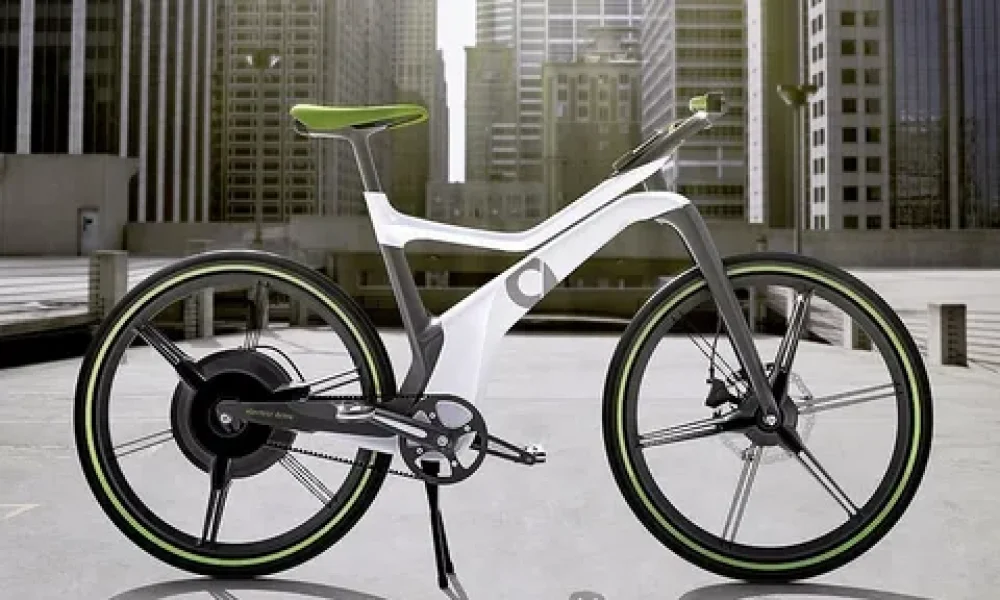
The global electric bicycle market is entering a phase of steady, structurally driven growth as sustainability, urban mobility efficiency, and technological innovation reshape transportation ecosystems worldwide. Valued at USD 4.4 billion in 2026, the market is projected to expand to USD 7.2 billion by 2036, registering a compound annual growth rate (CAGR) of 5% over the forecast period. This consistent trajectory reflects the growing adoption of electric bicycles as a viable alternative to conventional vehicles, particularly in congested urban environments where emissions reduction and cost efficiency have become strategic priorities.
Electric bicycles combine the accessibility of traditional cycling with electric assistance, offering a flexible mobility solution for commuting, leisure, and commercial applications. Rising environmental awareness, escalating fuel costs, and supportive government policies promoting low-emission transportation continue to underpin demand. As cities worldwide intensify efforts to reduce traffic congestion and air pollution, electric bicycles are increasingly positioned as a core element of sustainable urban transport strategies.
Technology and Capital Dynamics Reshaping the Market
Between 2026 and 2036, the electric bicycle industry will be shaped by its capital-intensive manufacturing profile, particularly in battery systems and advanced motor technologies. Investments in lithium-ion battery production, power electronics, and lightweight frame materials are becoming central to competitive positioning. While these investments require higher upfront capital expenditure, they also create opportunities for differentiation through improved range, durability, and ride performance.
As the market matures, investment selectivity is expected to increase. Companies demonstrating scalable manufacturing capabilities, strong product differentiation, and resilient distribution networks are better positioned to navigate longer return timelines. In emerging markets, local partnerships and cost-optimized production models will be critical for market entry and expansion. In contrast, players in mature markets will need to prioritize operational efficiency, software integration, and continuous innovation to sustain margins.
Get access to comprehensive data tables and detailed market insights — request your sample report today!
Asia Pacific Emerges as a Strategic Growth Engine
Asia Pacific continues to lead global electric bicycle adoption, supported by high urban density, established cycling cultures, and proactive government support for green mobility. China and India are each projected to grow at a CAGR of 5.1%, driven by urbanization, pollution concerns, and demand for affordable transportation solutions. Improvements in battery technology and declining component costs are making electric bicycles more accessible to a broader consumer base across the region.
Japan stands out with a CAGR of 5.3%, supported by its aging population and strong emphasis on sustainable transportation. Electric bicycles are increasingly favored as an accessible mobility option for older riders, offering convenience without compromising independence. In parallel, the United States market is expanding at 5.2%, fueled by rising interest in eco-friendly commuting, health-conscious lifestyles, and expanding cycling infrastructure. Germany, with a CAGR of 5%, benefits from robust bike-friendly infrastructure and long-standing policy support for clean mobility.
Segment Insights Highlight Clear Market Preferences
Battery technology remains a defining factor in electric bicycle performance and adoption. Lithium-ion batteries dominate the market with a 40.60% share, owing to their superior energy density, longer lifecycle, lighter weight, and faster charging capabilities. These advantages translate into longer range and improved reliability, making lithium-ion systems the preferred choice for both manufacturers and end users. As battery innovation continues, lithium-ion technology is expected to maintain its leadership position throughout the forecast period.
From an operational perspective, throttle assist accounts for 60.40% of the market by mode. Its popularity stems from ease of use and immediate power delivery, particularly appealing to urban commuters and recreational riders seeking convenience. Throttle assist systems reduce physical exertion while enhancing accessibility, broadening the appeal of electric bicycles across diverse demographic groups.
Market Drivers, Restraints, and Emerging Trends
The electric bicycle market is driven by the growing need for efficient, flexible, and cost-effective mobility solutions. Electric bicycles address multiple urban challenges simultaneously, including congestion, parking limitations, and emissions reduction. Technological advances in motor efficiency and battery capacity continue to improve usability, while diversified product offerings—ranging from commuter and cargo e-bikes to mountain and recreational models—expand the addressable market.
However, challenges remain. High upfront costs for premium models, battery replacement expenses, and inconsistent regulatory standards across regions can influence adoption rates. Infrastructure gaps, including limited bike lanes and secure parking, also constrain growth in certain markets. Addressing these barriers will be critical to unlocking the market’s full potential.
Key trends shaping the industry include the integration of smart connectivity features such as GPS tracking, mobile applications, and remote diagnostics. Demand is also rising for lightweight, high-efficiency battery systems and customized e-bike solutions for logistics, last-mile delivery, and shared mobility programs. Subscription and rental models are gaining momentum, particularly in dense urban centers, further diversifying revenue streams.
Competitive Landscape Defined by Innovation and Integration
Competition in the electric bicycle market is driven by battery efficiency, motor performance, system integration, and brand positioning. Leading players such as Accell Group, Giant Manufacturing Co., Merida Industry Co Ltd, Trek Bicycle Corporation, and Yamaha Motor Co. continue to invest in design innovation, connectivity, and performance optimization. Component specialists including Panasonic Corporation and Robert Bosch GmbH play a critical role by supplying high-efficiency motors, advanced battery systems, and control electronics that enhance overall ride quality and reliability.
Across the industry, companies are increasingly emphasizing user experience, system reliability, and lifecycle value as key differentiators. As electric bicycles become more embedded in urban mobility frameworks, competitive advantage will increasingly depend on the ability to align technology, cost structure, and distribution with evolving market needs.
Outlook
With steady growth projected through 2036, the global electric bicycle market represents a compelling opportunity shaped by sustainability imperatives, technological progress, and shifting mobility preferences. As adoption accelerates across regions and use cases, detailed market intelligence will be essential for stakeholders seeking to navigate investment priorities, competitive dynamics, and long-term growth strategies.
Why Choose FMI: Empowering Decisions that Drive Real-World Outcomes: https://www.futuremarketinsights.com/why-fmi
About Future Market Insights (FMI)
Future Market Insights, Inc. (FMI) is an ESOMAR-certified, ISO 9001:2015 market research and consulting organization, trusted by Fortune 500 clients and global enterprises. With operations in the U.S., UK, India, and Dubai, FMI provides data-backed insights and strategic intelligence across 30+ industries and 1200 markets worldwide.



