
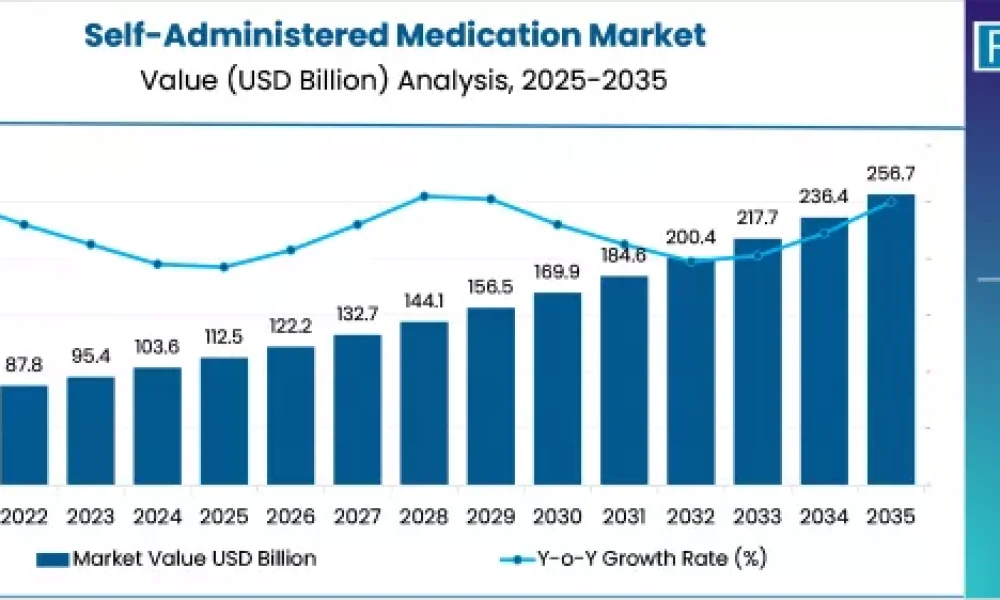
The global self-administered medication market is undergoing a significant transformation as healthcare systems worldwide shift toward patient-centric care models. Self-administered medications—delivered through oral formulations, injectables, inhalers, transdermal patches, auto-injectors, and wearable drug delivery devices—are redefining how patients manage chronic and acute conditions. Driven by rising chronic disease prevalence, aging populations, and growing acceptance of home-based care, the market is set for sustained expansion through 2036.
Market Overview
Self-administered medications enable patients to take prescribed therapies without direct supervision from healthcare professionals, improving convenience, adherence, and long-term treatment outcomes. These therapies are widely used across therapeutic areas such as diabetes, cardiovascular diseases, respiratory disorders, autoimmune conditions, pain management, and oncology supportive care. The increasing availability of user-friendly drug delivery devices and digital health integration is accelerating adoption across both developed and emerging markets.
To access the complete data tables and in-depth insights, request a Discount On The Report here: https://www.factmr.com/connectus/sample?flag=S&rep_id=328
Market Size and Growth Outlook
From 2026 to 2036, the self-administered medication market is expected to witness robust growth, supported by the global push to reduce hospital burden and healthcare costs. North America is anticipated to remain a leading market, driven by strong reimbursement frameworks, high patient awareness, and rapid adoption of advanced drug delivery technologies. Europe follows closely, benefiting from well-established healthcare systems and increasing focus on home-based chronic disease management.
Asia-Pacific is projected to emerge as the fastest-growing regional hotspot. Expanding access to healthcare, rising disposable incomes, and a growing burden of lifestyle-related diseases are fueling demand for self-administered therapies in countries such as China, India, and Southeast Asia. Latin America and the Middle East & Africa also present long-term growth opportunities as healthcare infrastructure improves and patient education initiatives expand.
Key Growth Drivers
One of the primary drivers of the self-administered medication market is the rising prevalence of chronic diseases such as diabetes, asthma, rheumatoid arthritis, and cardiovascular conditions. These diseases require long-term, often lifelong, medication regimens that are well-suited to self-administration.
The aging global population further strengthens market growth. Elderly patients increasingly prefer therapies that reduce frequent hospital visits and enable independent disease management at home. Self-administered medications support this preference while also easing pressure on healthcare systems.
Technological advancements in drug delivery devices are another critical growth factor. Innovations such as prefilled syringes, smart auto-injectors, needle-free injectors, and connected devices with dose-tracking capabilities are improving safety, accuracy, and patient confidence.
Pricing Trends and Strategic Benchmarking
Pricing dynamics in the self-administered medication market vary significantly by region and therapy type. While branded biologics and specialty injectables command premium pricing in developed markets, increasing competition from biosimilars and generics is exerting downward pressure on costs. Value-based pricing, patient assistance programs, and subscription-style medication delivery models are gaining traction as manufacturers seek to improve affordability and market penetration.
Strategic benchmarking indicates that leading companies are focusing on lifecycle management strategies, including device upgrades, combination therapies, and expanded indications. Partnerships between pharmaceutical companies and medical device manufacturers are becoming increasingly common to deliver integrated drug-device solutions.
Technology Trends and Competitive Landscape
The competitive landscape is characterized by the presence of global pharmaceutical leaders, specialty drug developers, and device-focused innovators. Key trends shaping competition include the integration of digital health platforms, mobile apps for adherence monitoring, and AI-driven analytics to personalize treatment regimens.
Wearable drug delivery systems and long-acting formulations are gaining attention, particularly in chronic disease segments where reducing dosing frequency can significantly improve adherence. Sustainability is also emerging as a consideration, with companies exploring recyclable materials and reduced packaging waste for drug delivery devices.
Challenges
Despite strong growth prospects, the market faces challenges such as regulatory complexity, patient safety concerns related to improper use, and disparities in access across regions. Training requirements and user education remain critical, particularly for injectable therapies and advanced devices.
Future Outlook
Looking ahead to 2036, the self-administered medication market is expected to play an increasingly central role in global healthcare delivery. As home-based care, telemedicine, and personalized medicine continue to gain momentum, self-administered therapies will become a cornerstone of efficient, patient-empowered treatment models. Companies that invest in innovation, affordability, and patient-centric design will be best positioned to capture long-term growth opportunities in this evolving market landscape.
Have a specific Requirements and Need Assistant on Report Pricing or Limited Budget please contact us – [email protected]
About Fact.MR
Fact.MR is a global market research and consulting firm, trusted by Fortune 500 companies and emerging businesses for reliable insights and strategic intelligence. With a presence across the U.S., UK, India, and Dubai, we deliver data-driven research and tailored consulting solutions across 30+ industries and 1,000+ markets. Backed by deep expertise and advanced analytics, Fact.MR helps organizations uncover opportunities, reduce risks, and make informed decisions for sustainable growth.



