
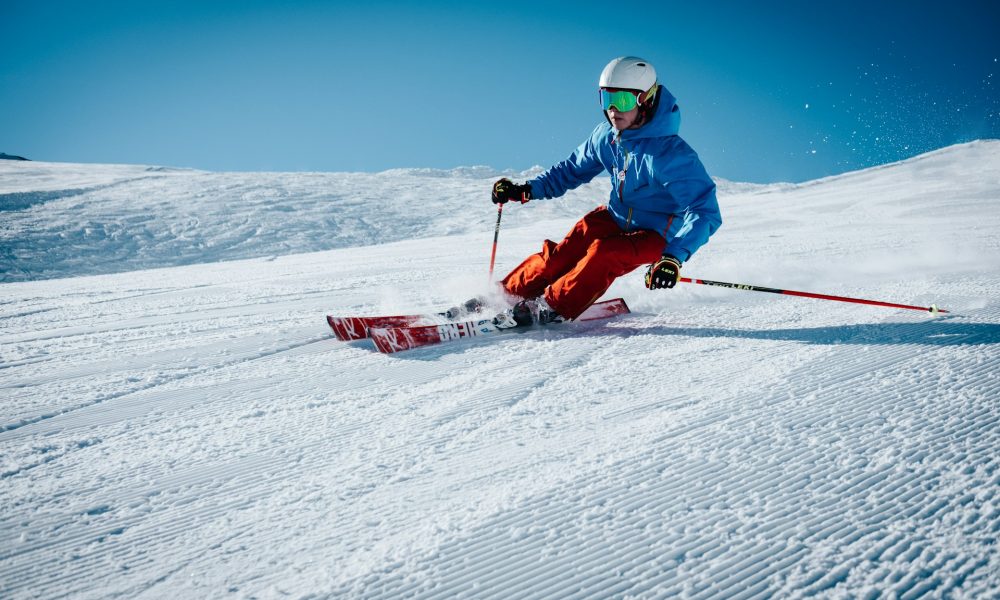
You’re on a ski trip, cutting through the snow with ease, when your legs begin to feel heavy. You push through the fatigue, but eventually, your muscles just ache with exhaustion. Perhaps you’ve wondered if there’s a way to improve your endurance on these ski trips — and there just might be.
What if the solution were as simple as changing your socks? Compression socks help combat this fatigue and improve recovery time. This guide explores how compression socks improve your skiing experience and help to keep you safe on every run.
What Are Compression Stockings?
Compression stockings are specially designed hosiery developed to improve and promote better blood circulation in the legs. They do so by exerting a gentle pressure on the wearer’s legs, ankles, and feet. The pressure is highest at the ankle and gradually decreases up the leg, following a graduated compression design.
Primarily, athletes, frequent travelers, and individuals who spend long hours standing wear compression socks to prevent or reduce the discomfort of swollen feet and ankles. They’re also popular among individuals with certain medical conditions that require assistance with circulation, like varicose veins or lymphedema.
How Do Compression Socks Work?
At a basic level, the applied pressure from compression stockings encourages the veins in the legs to narrow, which increases the velocity of the blood flowing through them. This increased speed boosts venous return to the heart, reducing the likelihood of blood pooling in the legs and causing the undesirable swollen appearance.
Moreover, compression socks can help reduce the formation of lactic acid, which is the cause of muscle pain and fatigue during and after intense skiing. Improved blood flow can help flush lactic acid from the muscles more quickly, potentially reducing soreness and speeding up recovery time.
Do Skiers Need Compression Socks?
Skiing is primarily a sport of endurance, strength, and balance. Skiers often brave the cold and altitude for hours, putting their lower body muscles through a grueling workout.
Compression socks can give your legs the support they need during these challenging slopes. The increased blood flow can help prevent muscle fatigue and provide strength and stability to the calf muscles, enhancing endurance for those long downhill runs.
Additionally, given their ability to reduce lactic acid, compression socks could be a beneficial tool in reducing post-skiing soreness. Slipping on compression socks post-skiing might just make the difference between a cosy fireside chat and a night of moaning about how much your legs ache.
Debunking Misconceptions About Compression Socks
There are several misconceptions about compression socks, including the belief that compression socks are suitable only for the elderly, the infirm, or professional athletes. The truth is that anyone can benefit from compression stockings, especially if you’re engaged in rigorous activities like skiing.
Secondly, some believe that wearing compression socks is uncomfortable and constrictive. While they’re indeed designed to apply pressure, the sensation should be more comforting, like a tight hug for your leg muscles, and shouldn’t cause pain or severe discomfort.
Lastly, while compression socks aid in reducing lactic acid and improving blood flow, they’re not a magical cure for all leg-related issues. Much like a good ski pole, they’re tools designed to support you, not miraculous remedy-all devices.
Getting the Right Fit
An essential factor in seeing results from compression socks is wearing the right size. Compression socks come in various sizes, lengths, and compression levels, allowing selection that tailors to your specific needs.
The right compression socks should fit snugly but not too tight, providing graduated compression. That means they’re tightest around your ankle and gradually become less constrictive towards the calf.
Always follow the manufacturer’s size charts and, if possible, consult with a medical professional before choosing a compression level. The socks shouldn’t be excessively difficult to wear, nor should they cause discomfort or pain.
Lastly, remember to wear your compression socks correctly. Most people benefit from wearing them throughout the day during skiing sessions, but some may find them most helpful when worn after skiing to aid in recovery. Experiment and see what works best for you.
Evaluating the Potential Benefits of Compression Socks for Skiers
So, can compression socks take the lead in your skiing journey? They certainly have much to offer, from staving off muscle fatigue to speeding up recovery time. But just like the perfect ski resort, it all comes down to personal preference.
Compression socks can provide much-needed support to your lower extremities during demanding slopes or help comfort your tired legs during après-ski. However, like any piece of gear, they’re designed to support and enhance your experience, rather than being a standalone solution for improved performance or health.
The next time you pack your goggles, gloves, and sheepskin boots, consider making some space for a pair of compression socks, too. They might just be the missing piece to your perfect ski adventure.




