
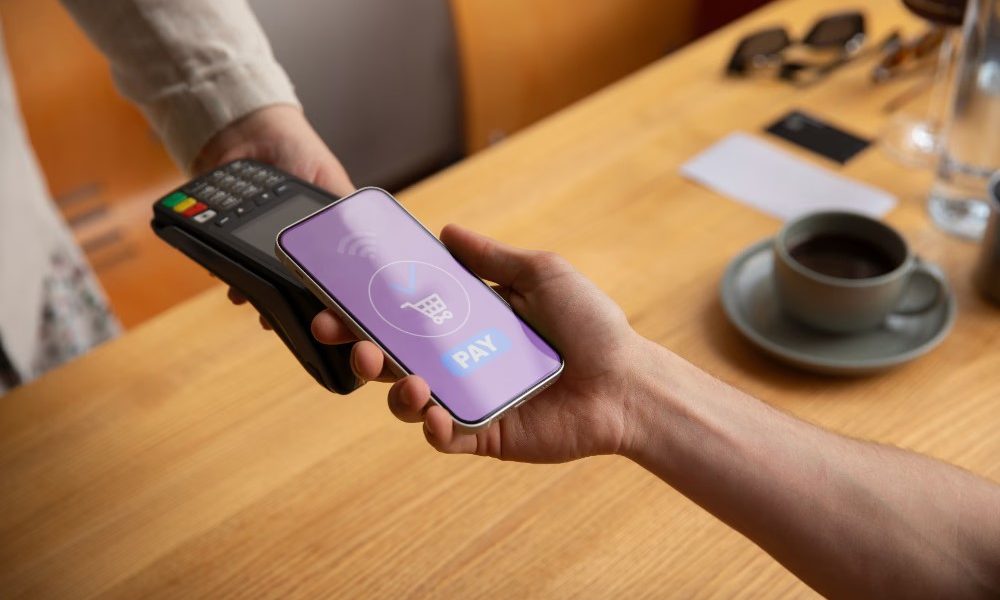
A New Kind of Everyday Money
The first time I realized crypto had slipped into everyday life was during a conversation with a boda boda rider in Nairobi. I asked him how he manages rising fuel costs, and he shrugged casually and said, “Ah, sometimes I get paid in USDT. It helps.”
He said it the same way someone might say, “I use M-Pesa,” or “I keep cash in my pocket.” No excitement. No tech jargon. Just… normal.
Across cities like Lagos, Nairobi, Kampala, Accra, and even in smaller towns you’d never expect, crypto made a quiet transition from a futuristic curiosity to a practical financial lifeline. No marketing campaign caused it. No dramatic crypto revolution. Just real people trying to survive inflation, slow banks, unpredictable fees, and international clients who pay when they pay.
And somewhere in that messy landscape, people discovered they could exchange bitcoin to naira, send money across borders, top up utilities, and even buy groceries — not because it was trendy, but because it worked.
This is where things get interesting.
When Crypto Became a Tool, Not a Theory
Ask someone in New York or Berlin what crypto is for and they’ll probably say, “Investing.” Ask someone in Lagos or Nairobi, and you might hear:
- “That’s how my client pays me.”
- “It’s how I save money safely.”
- “It’s faster than my bank.”
- “It’s the only way I send money home.”
And that’s the biggest shift — crypto is growing fastest in places where people don’t treat it like stocks. They treat it like money with fewer excuses.
A Kenyan illustrator told me once:
“Banks move like they’re allergic to speed. Crypto moves like it’s late for work.”
And he’s right. Whether you’re receiving payment in BTC, converting a bit into local currency for the week, or holding the rest in stablecoins, the rhythm feels… humane.
That’s why platforms in Nigeria, Kenya, Ghana, and Tanzania exploded. They give people access to:
- stablecoins (so inflation doesn’t knock you off balance),
- fast conversions,
- easy withdrawals,
- and simple, 24/7 payments.
The technology might be complex, but the experience? Almost effortless.
What People Actually Use (Not What Crypto Twitter Talks About)
Let’s skip the complicated charts and focus on real life.
Most everyday users care about:
Speed
When your client pays you on a Thursday night, you want to access your money before Monday morning.
Predictability
No bounced transfers. No mysterious bank limits. No “please try again later.”
Currency protection
When local money loses value every month, people want savings that don’t melt.
Simple withdrawals
Crypto tools let people pull out only what they need, when they need it.
In Nigeria, Kenya, and Ghana, people blend crypto with traditional finance the same way you mix bottled water with tap water: use whatever works.
A typical routine looks like this:
- Receive Bitcoin or USDT from a client.
- Convert a portion into local currency.
- Save the rest in stablecoins.
- Pay subscriptions with a virtual dollar card.
- Send P2P transfers to friends or family.
- Repeat next month.
No drama. No queues. No bank holidays.
The Real Platforms Behind Everyday Crypto
Here’s what actually keeps the ecosystem running.
1. Global Exchanges — International Mailboxes for Money
Remote teams, freelancers, and business owners often receive BTC or USDT through platforms like:
- Binance
- KuCoin
- Coinbase
- OKX
These platforms act like secure, borderless inboxes.
2. Local Conversion Apps — The Real Hero Tools
This is where crypto becomes “spendable.” Local platforms in Nigeria, Kenya, and Ghana help users turn BTC or stablecoins into cash in minutes.
You pay a bill, send money to your mother, top up your data — it all starts here.
3. Virtual Dollar Cards — The Subscription Lifesavers
A Nigerian freelancer once told me:
“My bank card fails every time I try to pay for Figma. My dollar card funded by crypto? Never.”
These cards handle:
- Netflix
- PlayStation
- Spotify
- Adobe
- domain hosting
- online shopping
4. Utility & Lifestyle Payments Through Crypto
In many cities, you can use crypto to pay for:
- electricity tokens
- water
- cable TV
- internet
- school fees
It sounds futuristic until you do it once… then it becomes normal.
5. Peer-to-Peer Transfers — The Social Layer
Just like people used to hand each other cash, now they send each other stablecoins.
It’s instant. And funnily enough, often cheaper.
Real Stories From Nigeria, Kenya, and Ghana
1. The Lagos Motion Designer
Paid mostly in BTC by Asian and European clients.
“I convert what I need. My savings stay in stablecoins because naira has mood swings.”
Crypto didn’t make him rich — it made him steady.
2. The Nairobi Photographer
Her clients sometimes pay in USDT. She keeps half for savings.
“I like that I can withdraw at 11 p.m. when banks pretend they’re asleep.”
3. The Accra University Student
Her brother abroad sends crypto weekly.
“No stress. No delays. Just money that actually arrives.”
These aren’t tech bros. These are normal people.
Why These Countries Lead the Crypto Movement
Nigeria, Kenya, and Ghana didn’t adopt crypto because it’s fashionable. They adopted it because:
- inflation steals savings,
- remittance fees are too high,
- cross-border payments fail too often,
- banks freeze accounts unpredictably,
- and global workforces need global tools.
Crypto solved real pain.
And people naturally moved toward whatever helped them breathe easier financially.
The Hybrid Future: Crypto + Cash, Not Crypto vs. Cash
Nobody is replacing banks entirely — that’s a myth.
The real future looks hybrid:
- earn globally (BTC, USDT)
- spend locally (cash)
- save safely (stablecoins)
- pay internationally (virtual dollar cards)
- transfer instantly (P2P)
This blended lifestyle is already normal across much of Africa.
FAQ: The Human Version
Is crypto really practical for daily life?
Yes — especially where banks are slow or currencies are unstable.
Is it safe to convert crypto locally?
If you choose trusted platforms with transparent fees, absolutely.
Do people use Bitcoin for bills?
More every year. Internet, electricity, groceries, subscriptions.
What about volatility?
Most people rely on stablecoins for savings and only convert small amounts.
Wrap-up
Crypto didn’t become big in Nigeria, Kenya, or Ghana because people wanted to be pioneers.
It became big because people needed a system that respected their time and their hustle.
Not because it was shiny. Not because it was rebellious. Not because it was trendy.
But because it finally worked.
And the platforms that help people turn Bitcoin or stablecoins into real-world spending — quietly, reliably, without fuss — are shaping the most practical financial evolution of our generation.