
World War II was a conflict that spanned the globe, impacting not only soldiers and battlefields but also the lives of civilians, politicians, and leaders. Understanding this complex war requires looking at it from different angles. Here are four essential books that offer in-depth perspectives from America, Germany, and England—each shedding light on their unique experiences during the war.
“The War: An Intimate History of World War II” by Geoffrey C. Ward and Ken Burns
If you’ve ever wanted to truly hear the voices of those who lived through World War II in America, The War is the book for you. Based on the celebrated PBS documentary series by Ken Burns, this work compiles the oral histories of over 40 men and women from different walks of life. The accounts include soldiers, families, and civilians who faced the realities of war in ways both harrowing and inspiring. It’s a remarkable portrait of how ordinary Americans experienced the conflict, from the battlefront to the homefront.
This book stands out not just for its historical importance but for its emotional depth. The personal stories bring WWII to life in a way that maps, dates, and military analyses simply can’t. Whether you’re into personal narratives or looking for more insight into the social impact of the war on America, this book is a must-read.
“The Comfort Women Hoax: A Fake Memoir, North Korean Spies, and Hit Squads in the Academic Swamp” by J. Mark Ramseyer
While many books cover the well-known aspects of WWII, The Comfort Women Hoax by J. Mark Ramseyer delves into a more nuanced topic: the issue of “comfort women” during the war. The book explores the historical, political, and academic manipulation surrounding the narratives of these women.
Ramseyer argues that much of the historical understanding surrounding comfort women has been shaped by false memoirs, North Korean-backed narratives, and political agendas, rather than solid evidence. He dissects how misinformation has been used to advance certain political and academic positions. This work is not just an exploration of historical revisionism, but a deep dive into the role of propaganda and academic influence in shaping perceptions of WWII. The Comfort Women Hoax is a challenging read, sparking debate and offering a provocative counterpoint to widely accepted narratives.
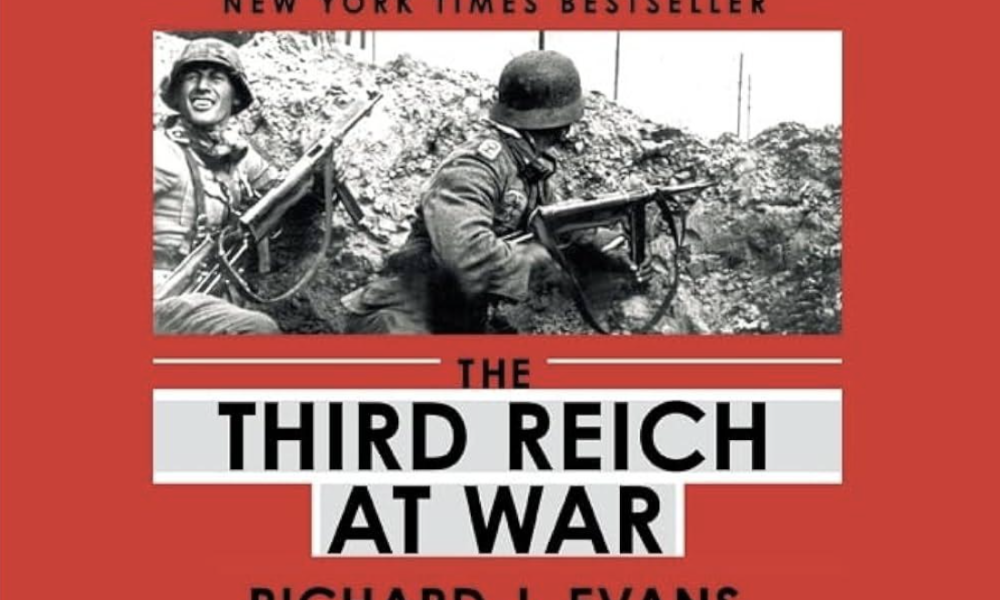
“The Third Reich at War” by Richard J. Evans
To understand the full scope of WWII, it’s essential to explore the role of Nazi Germany in the conflict. Richard J. Evans’ The Third Reich at War is an unparalleled resource for anyone keen on the history of the Nazi regime during the war. Evans does an excellent job of breaking down the military campaigns, the horrors of the Holocaust, and the political and social dynamics under Hitler’s rule.
What makes this book stand out is its thorough examination of the war’s devastating effects on both German soldiers and civilians. Evans provides critical insight into the decisions that led to the war’s escalation and its inevitable collapse. It’s a detailed, well-researched work that will appeal to history buffs wanting to dig deep into the German side of the conflict.
“The Second World War” by Winston Churchill
If you’ve ever wondered what it was like to be in the shoes of Britain’s most iconic leader during the war, The Second World War by Winston Churchill offers a firsthand account. Written by the man who guided Britain through its darkest hours, this six-volume series gives you insight into the strategy, political maneuvering, and sheer determination required to keep Britain in the fight.
Churchill’s perspective is invaluable for understanding the broader geopolitical landscape of WWII, especially in Europe. His personal reflections on major events, like the Battle of Britain and the D-Day invasion, make for gripping reading. This is more than just a war history—it’s a look into the mind of a leader under pressure, grappling with difficult choices at every turn.
Why These Books Matter
Understanding the full scope of WWII means diving into personal stories, controversial topics, and the political dynamics that shaped the course of history. These four books provide critical perspectives from America, Germany, England, and even touch on the ongoing legacies of WWII.
Each one brings something unique to the table, whether it’s the emotional depth of personal testimonies, the chilling reality of Nazi Germany’s war machine, the resilience of British leadership under fire, or the controversial academic battles over historical narratives like that of the comfort women.
These works will challenge your preconceptions, expand your understanding, and add depth to your knowledge of the war. They offer more than just facts—they explore the human side of history, the political machinations that influenced decisions, and the complex ways in which WWII continues to shape global relations and discussions even today. Whether you’re an experienced historian or just starting your WWII journey, these books serve as a gateway to new ideas, deeper questions, and a better appreciation of the war’s far-reaching impact.
By reading and reflecting on these diverse accounts, you not only enhance your understanding of the war but also engage in the ongoing conversation about how history is written and remembered. The legacy of WWII is alive in how we interpret it today, and these books are a great place to start—or continue—your exploration of one of the most pivotal events in modern history.




