
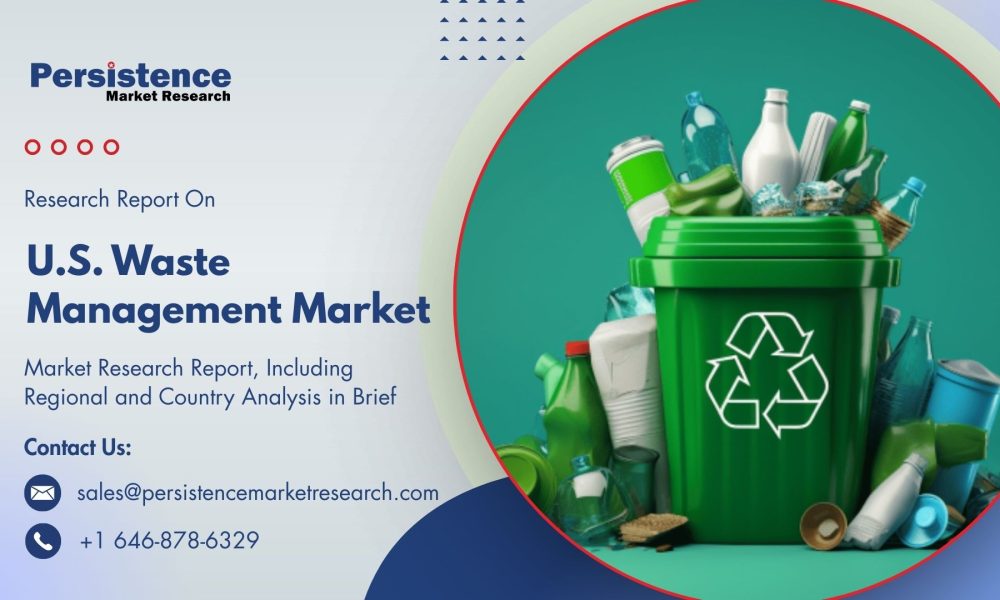
The U.S. waste management market is undergoing a profound transformation as sustainability, resource recovery, and circular economy principles reshape how waste is collected, processed, and reused. With rapid urbanization, rising consumer waste, and growing environmental concerns, the need for efficient and sustainable waste management solutions has never been greater. Both public and private sectors are investing heavily in infrastructure, technology, and policy reforms to minimize landfill use and maximize recycling and energy recovery.
According to the latest study by Persistence Market Research, the U.S. waste management market size is likely to be valued at US$ 118.5 Bn in 2025 and is expected to reach US$ 147.0 Bn by 2032, growing at a CAGR of 3.4% during the forecast period from 2025 to 2032. The growth of this market is being driven primarily by an increasing focus on sustainability, stringent environmental regulations, and rising public awareness regarding waste segregation and recycling.
Get a Sample PDF Brochure of the Report (Use Corporate Email ID for a Quick Response): https://www.persistencemarketresearch.com/samples/35460
Growing Emphasis on Sustainability and Resource Recovery
Sustainability has become the cornerstone of the U.S. waste management industry. As the nation moves toward achieving its carbon neutrality and zero-waste goals, waste management companies are prioritizing the reduction, reuse, and recycling of waste materials. The traditional landfill-based disposal approach is rapidly giving way to more sustainable methods such as waste-to-energy (WtE), composting, and material recovery facilities (MRFs).
Consumers, corporations, and municipalities are increasingly demanding green waste solutions that align with environmental, social, and governance (ESG) objectives. This has led to the widespread adoption of circular economy principles, where waste is viewed not as a problem but as a valuable resource that can be recovered and reintegrated into production cycles.
Recycling initiatives are expanding across the country, driven by federal and state-level programs that promote responsible waste disposal. For instance, many states have implemented bans on single-use plastics and incentivized recycling through extended producer responsibility (EPR) programs. These initiatives are not only reducing landfill volumes but also creating opportunities for innovation and green job growth within the waste management ecosystem.
Technological Advancements Transforming Waste Management
The integration of advanced technologies is revolutionizing how waste is collected, processed, and monitored in the United States. The rise of smart waste management systems, powered by Internet of Things (IoT) sensors, artificial intelligence (AI), and data analytics, is enabling municipalities and private companies to optimize waste collection routes, reduce operational costs, and improve recycling efficiency.
AI-driven sorting systems in recycling facilities are enhancing material separation accuracy, helping recover valuable resources such as metals, plastics, and paper with greater precision. Meanwhile, IoT-based waste bins equipped with sensors can alert waste collectors when bins are full, improving collection efficiency and reducing unnecessary trips.
Additionally, the adoption of waste-to-energy technologies is gaining momentum, especially in urban areas facing landfill shortages. These technologies convert non-recyclable waste into renewable energy sources like electricity and heat, thereby reducing dependency on fossil fuels while minimizing environmental impact.
Digital transformation is also streamlining administrative processes, with cloud-based systems improving regulatory compliance and waste tracking. Such innovations are fostering a data-driven approach to sustainable waste management in the United States.
Regulatory Framework Supporting Market Growth
The U.S. waste management market operates within a robust regulatory framework that promotes sustainable practices and environmental protection. Federal agencies such as the Environmental Protection Agency (EPA) play a crucial role in enforcing regulations on waste collection, treatment, and disposal. The Resource Conservation and Recovery Act (RCRA) and the Clean Air Act are among the most significant legislations guiding waste management operations.
At the state level, governments have introduced additional measures to encourage recycling, composting, and waste reduction. For example, California and New York have implemented aggressive recycling targets and extended producer responsibility (EPR) schemes that require manufacturers to manage the end-of-life impact of their products.
These regulations are pushing businesses and municipalities to adopt cleaner and more efficient waste management systems. Moreover, the increasing public pressure for corporate accountability in sustainability is compelling private waste management firms to invest in eco-friendly operations and transparent waste reporting mechanisms.
Industrial and Commercial Waste Management on the Rise
Industrialization and economic expansion have led to significant growth in industrial and commercial waste generation across the United States. The construction, manufacturing, and healthcare industries are among the largest contributors to non-residential waste streams. As these sectors continue to grow, so does the need for specialized waste management solutions that ensure safety, compliance, and sustainability.
Construction and demolition (C&D) waste management has become a focal area, with many companies adopting recycling and reuse practices to minimize landfill waste. Materials such as concrete, metal, and wood are increasingly being recovered and repurposed for new construction projects, reducing the need for virgin resources.
In addition, hazardous waste management remains a critical segment of the market. With stricter regulations governing the disposal of toxic and biomedical waste, companies are investing in safe treatment and disposal technologies that prevent environmental contamination. The demand for specialized waste management services, including e-waste recycling and chemical waste treatment, is expected to continue rising over the coming years.
Residential Waste Management: Focus on Recycling and Composting
The residential sector plays a vital role in shaping the waste management landscape in the U.S. With rising urbanization and population growth, household waste generation continues to increase. However, public awareness campaigns and local recycling programs are helping to divert a substantial portion of residential waste from landfills.
Cities and municipalities are expanding curbside recycling and composting programs to encourage households to separate recyclables, organics, and general waste. Composting of food and yard waste is gaining popularity as communities recognize its potential to reduce landfill emissions and produce nutrient-rich soil amendments.
Furthermore, the trend toward smart waste bins and mobile apps that guide consumers on recycling practices is improving household participation in sustainable waste management efforts. As local governments strengthen their recycling infrastructure and adopt data-driven solutions, residential waste management efficiency is expected to improve significantly.
For Customized Insights on Segments, Regions, or Competitors, Request Personalized Purchase Options: https://www.persistencemarketresearch.com/request-customization/35460
Company Insights
The U.S. waste management market is characterized by the presence of several key players, ranging from large national corporations to regional service providers. These companies are actively pursuing mergers, acquisitions, and technology partnerships to strengthen their market presence and expand service portfolios. Leading companies operating in the market include:
✦ Waste Management, Inc.
✦ Republic Services, Inc.
✦ Waste Connections, Inc.
✦ Clean Harbors, Inc.
✦ Advanced Disposal Services, Inc.
✦ Stericycle, Inc.
✦ Casella Waste Systems, Inc.
✦ Covanta Holding Corporation
✦ Veolia North America
✦ GFL Environmental Inc.
These players are investing heavily in sustainability initiatives, such as renewable energy generation from waste, closed-loop recycling systems, and carbon footprint reduction. Strategic acquisitions and collaborations are also common as companies strive to enhance their technological capabilities and expand into new regional markets.
Challenges and Opportunities
Despite its growth potential, the U.S. waste management market faces several challenges. Recycling contamination, labor shortages, and rising operational costs continue to hinder efficiency. Furthermore, fluctuations in global recyclable material prices, particularly for plastics and paper, can impact profitability for recycling operators.
However, these challenges also present opportunities for innovation. The development of advanced sorting technologies, biodegradable packaging materials, and AI-based recycling systems offers solutions to current inefficiencies. Additionally, government incentives for renewable energy generation and green infrastructure projects are likely to create new revenue streams for waste management companies.
As public awareness of environmental issues grows, there is also increasing pressure on corporations to adopt sustainable waste disposal practices. This shift toward corporate sustainability and circular business models will drive demand for innovative waste management solutions in the coming decade.
Future Outlook
The future of the U.S. waste management market looks promising, with sustainability and technology driving long-term growth. Between 2025 and 2032, the market is expected to grow steadily at a CAGR of 3.4%, reaching a valuation of US$ 147.0 Bn by 2032.
Key growth areas will include waste-to-energy projects, advanced recycling infrastructure, and digital waste management systems. Moreover, continued policy support from federal and state governments will accelerate the transition toward a circular economy, where waste is treated as a valuable resource.
In conclusion, the U.S. waste management market is entering a new era defined by innovation, sustainability, and efficiency. As companies and communities embrace eco-friendly practices and advanced technologies, the industry will play a pivotal role in shaping a cleaner, more sustainable future for generations to come.
Explore the Latest Trending Research Reports:
About Persistence Market Research:
At Persistence Market Research, we specialize in creating research studies that serve as strategic tools for driving business growth. Established as a proprietary firm in 2012, we have evolved into a registered company in England and Wales in 2023 under the name Persistence Research & Consultancy Services Ltd. With a solid foundation, we have completed over 3600 custom and syndicate market research projects, and delivered more than 2700 projects for other leading market research companies’ clients.
Our approach combines traditional market research methods with modern tools to offer comprehensive research solutions. With a decade of experience, we pride ourselves on deriving actionable insights from data to help businesses stay ahead of the competition. Our client base spans multinational corporations, leading consulting firms, investment funds, and government departments. A significant portion of our sales comes from repeat clients, a testament to the value and trust we’ve built over the years.
Contact Us:
Persistence Market Research
G04 Golden Mile House, Clayponds Lane
Brentford, London, TW8 0GU UK
USA Phone: +1 646-878-6329
UK Phone: +44 203-837-5656
Email: [email protected]
Web: https://www.persistencemarketresearch.com




