
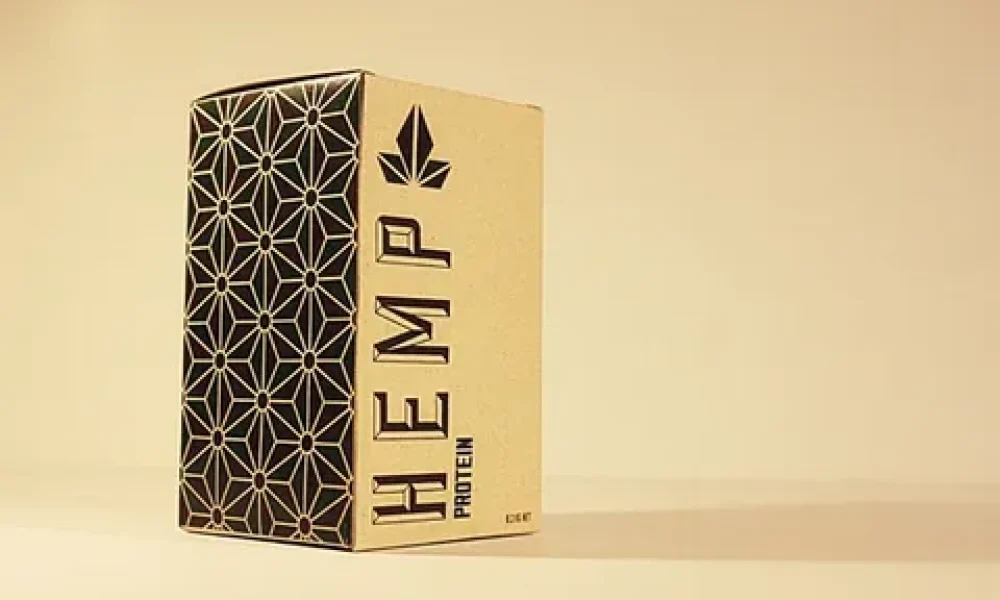
The hemp-based packaging market is poised for transformative growth over the next decade. Estimated at USD 287.5 million in 2025, the market is projected to reach USD 1,002.3 million by 2035, registering a robust compound annual growth rate (CAGR) of 13.3%. This surge is driven by increasing consumer and regulatory demands for sustainable, biodegradable, and recyclable packaging alternatives, as well as innovation across both established and emerging industry players.
Sustainability Driving Market Momentum
Sustainability has emerged as a central theme shaping the hemp-based packaging market. As governments worldwide impose stringent restrictions on single-use plastics, businesses are actively seeking eco-friendly alternatives. Hemp-based materials offer a compelling solution: they are durable, lightweight, and compostable, making them ideal for industries ranging from food and beverage to personal care and e-commerce. Companies integrating hemp into their packaging portfolios are aligning with environmental, social, and governance (ESG) goals while meeting regulatory requirements in diverse markets.
The bags segment leads the market by product type, expected to account for 48.6% of total revenue by 2025. Hemp bags are not only biodegradable and reusable but also provide branding and customization opportunities for retailers. With increasing sustainability regulations and the rise of environmentally conscious consumers, hemp bags are quickly becoming a preferred choice for packaging in retail, grocery, and consumer goods sectors.
Full Market Report available for delivery. For purchase or customization, please request here:
https://www.futuremarketinsights.com/reports/sample/rep-gb-17129
Food and Beverage: The Key End-User Industry
The food and beverage industry is the largest end-user segment for hemp-based packaging, anticipated to contribute 54.2% of total market revenue by 2025. Rising consumer demand for sustainable food-grade packaging, along with the sector’s high-volume requirements, drives this dominance. Hemp-based packaging preserves product freshness while adhering to compostability and recyclability standards. Leading food brands are incorporating hemp packaging to meet sustainability targets and differentiate themselves in competitive markets.
E-commerce: Expanding the Reach of Hemp Packaging
The online sales distribution channel is projected to account for 42.7% of market revenue in 2025, underscoring the growing importance of e-commerce in hemp packaging adoption. Hemp’s lightweight, durable, and eco-friendly properties make it an ideal choice for shipping and delivery applications. Consumers increasingly recognize sustainable packaging as a reflection of brand responsibility, prompting online retailers to embrace hemp-based solutions as a key differentiator.
Innovation and Industry Dynamics
Hemp-based packaging is reshaping the packaging industry by offering renewable, recyclable, and biodegradable alternatives to conventional materials. Its versatility allows for blending with other materials to create innovative and functional packaging solutions. As governments intensify efforts to curb plastic waste, regulatory compliance becomes a critical driver for businesses to adopt hemp packaging. Companies prioritizing sustainability are poised to gain a competitive advantage, while those lagging risk falling behind.
The sector also contributes to economic growth and employment opportunities as the hemp-based packaging market expands. From product innovation to strategic alliances, manufacturers are actively exploring multiple pathways to growth. For example, collaborations like the partnership between Hemp Plastic Company and Canadian packaging firm Plastique in 2024 exemplify how companies are scaling production to meet rising demand.
Future Outlook and Technological Advancements
The future of hemp-based packaging is promising, with continued adoption fueled by environmental awareness and technological progress. The legalization of hemp farming in multiple regions, along with its low environmental footprint—requiring minimal pesticides or herbicides—further supports market growth. Advances in production processes and the development of new hemp-based materials, including high-strength fibers and shiv, enhance the versatility and applicability of hemp for packaging.
Hemp packaging offers a high strength-to-weight ratio, making it suitable for a wide range of applications from retail bags to protective shipping materials. Technological breakthroughs in hemp processing and design are enabling manufacturers to produce sustainable, functional, and visually appealing packaging that meets both regulatory and consumer demands.
Regional Market Insights
North America accounts for a significant share of the global hemp-based packaging market, driven by favorable regulations and initiatives such as the 2020 Farm Bill in the United States, which legalized industrial hemp cultivation. Canada’s zero-waste policies and sustainability programs further promote hemp packaging adoption in the region.
Europe also presents substantial growth opportunities. Stringent single-use plastic regulations, including the EU’s Single-use Plastic Directive, are encouraging the adoption of sustainable alternatives like hemp packaging. Germany, in particular, is emerging as a key market due to its strong environmental focus and industrial capabilities. Online retailers in Europe are increasingly embracing hemp-based packaging to reduce environmental impact and appeal to eco-conscious consumers.
The Asia-Pacific region is expected to witness remarkable growth, led by China’s emphasis on sustainability and green economy initiatives. The development of a supportive regulatory environment and increasing consumer demand for eco-friendly packaging are driving the adoption of hemp-based solutions in the region.
Get the Report Brochure Now:
https://www.futuremarketinsights.com/reports/brochure/rep-gb-17129
Competitive Landscape: Established Players and New Entrants
The hemp-based packaging market is highly competitive, comprising multinational corporations and agile SMEs. Key players include Hemp Inc., Sana Packaging, Hemp Plastic Company, International Paper Company, and Elevate Packaging, Inc. These companies focus on product innovation, strategic alliances, and geographic expansion to strengthen their market presence.
Established companies are leveraging experience and scale to expand their offerings, while new entrants are introducing novel solutions to cater to evolving consumer demands. Strategic partnerships, like those forged for production scaling and technological integration, illustrate the sector’s collaborative approach to meeting sustainability and operational objectives.
Manufacturers are exploring multiple avenues to expand in the market, including product innovation to create sustainable packaging, strategic alliances to enhance supply chain efficiency, geographic expansion to access new markets, strong branding and marketing initiatives to differentiate themselves, and customer engagement to ensure products meet evolving expectations.
Conclusion
With rising environmental consciousness, regulatory pressures, and technological advancements, the hemp-based packaging market is set for unprecedented growth. Its versatility, sustainability, and functionality position it as a key alternative to traditional packaging materials. Both established players and innovative newcomers have significant opportunities to capitalize on this growth by investing in new technologies, expanding production capabilities, and meeting the evolving needs of eco-conscious consumers. Over the coming decade, hemp-based packaging is poised not only to redefine sustainable packaging but also to reshape industry dynamics, offering a greener and more resilient future for global packaging solutions.



