
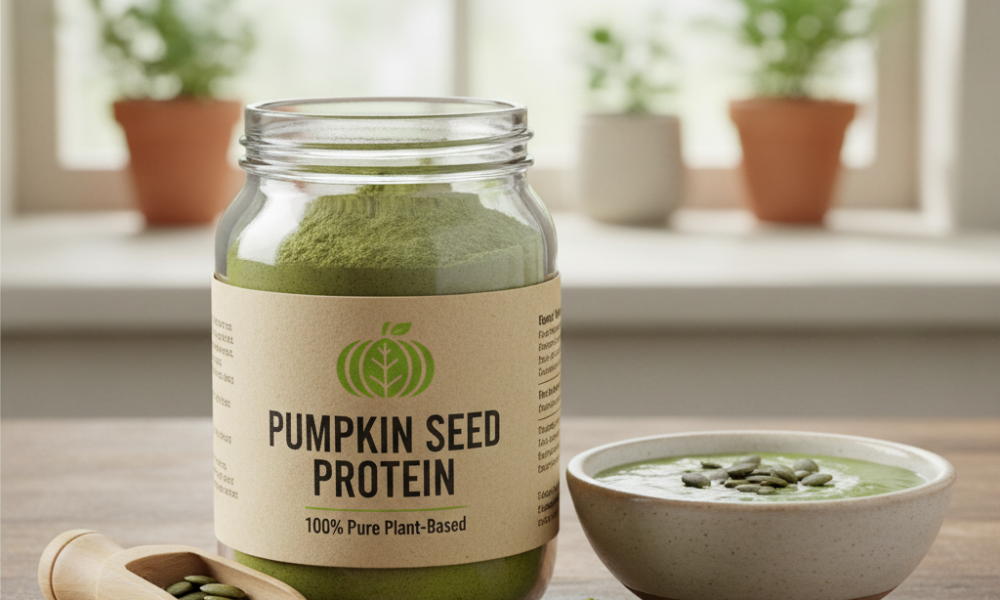
The global pumpkin seed protein market is on a strong upward trajectory, estimated at USD 1.4 billion in 2025 and projected to reach USD 2.2 billion by 2035, reflecting a healthy compound annual growth rate (CAGR) of 4.6%. This expansion is fueled by the rising popularity of plant-based protein, the increasing demand for clean-label and allergen-free products, and a growing consumer focus on health and wellness.
For Tailored Insights and Customization, Connect With Us Here: https://www.futuremarketinsights.com/reports/sample/rep-gb-8038
Rising Consumer Demand Drives Market Momentum
The market’s growth is underpinned by a broader shift toward functional and sustainable nutrition. Pumpkin seed protein is finding applications across dietary supplements, nutraceuticals, bakery products, and beverages. North America, led by the United States, is expected to retain the largest market share through 2035, expanding at a moderate CAGR of 4.9%. Meanwhile, Western Europe, particularly France with a 5.2% CAGR, and Japan at 5.0%, are emerging as the fastest-growing regions, driven by government initiatives, plant-based movements, and increasing consumer awareness of allergen-free protein alternatives.
Conventional pumpkin seed protein is projected to dominate the market in 2025 with a 68% share, thanks to its broad availability, cost-effectiveness, and suitability for large-scale manufacturing. On the other hand, roasted pumpkin seed protein, capturing 56% of the market by nature, is gaining traction for its enhanced flavor, extended shelf life, and better digestibility. These attributes make it a preferred choice in snacks, cereals, and sports nutrition products, appealing to health-conscious consumers seeking natural yet flavorful protein sources.
Beverages Lead End-Use Applications
Among end-use segments, beverages are expected to hold the largest share of 22% in 2025. The growing inclusion of pumpkin seed protein in smoothies, health drinks, fortified beverages, and meal-replacement shakes has positioned it as a versatile ingredient in the functional beverage sector. Its clean taste, solubility, and neutral flavor profile make it particularly suited for dairy-free, allergen-free, and vegan-friendly formulations.
Opportunities in Functional and Nutritional Markets
While currently representing a modest share of its parent markets, pumpkin seed protein is steadily carving a niche. It accounts for around 2.5% of the global plant-based protein market, 1.8% of functional food ingredients, 3.2% within vegan products, and close to 2% in nutritional and dietary supplements. With growing applications in vegan supplements, energy bars, and cosmetic formulations, these shares are expected to expand steadily over the next decade.
Innovation in protein extraction methods, expansion of e-commerce distribution, and favorable regulatory frameworks for plant-based proteins are anticipated to drive future growth. Strategic branding, consumer education, and collaborations between manufacturers and food tech companies are further enhancing product quality and expanding application areas, especially in emerging markets.
Country Insights Highlight Market Potential
The United States remains the largest consumer and importer, driven by a booming health supplement industry and increasing demand for high-protein, clean-label snacks and beverages. In the UK, rising veganism and demand for ethical, allergen-free protein alternatives are pushing imports and product innovation in vegan bakery, breakfast cereals, and premium protein snacks. Germany, leveraging its strong organic and natural food base, is integrating pumpkin seed protein into gluten-free, functional, and high-protein products, supported by domestic production and partnerships across Eastern Europe. France’s market growth is fueled by flexitarian trends and government-backed sustainable food initiatives, while Japan sees rising uptake among its aging population seeking functional foods and nutraceuticals.
Leading Suppliers Driving Innovation
The pumpkin seed protein market is moderately fragmented, with regional specialists and global players competing for share. Key suppliers, including AIDP Inc., Bioriginal Food & Science Corporation, Jarrow Formulas, Bio Planète Ölmühle Moog GmbH, and The Green Labs LLC, are spearheading innovation in clean-label protein portfolios and expanding distribution across food, beverage, nutraceutical, and sports nutrition industries. These companies focus on allergen-free claims, functional health benefits, and compatibility with vegan and keto diets.
Strategic initiatives include securing raw material sourcing from Mexico and Europe, contract manufacturing agreements to meet scaling needs, and developing flavored and roasted seed protein blends. Investment in organic certifications in the EU and USA, coupled with innovative formulations, positions these companies to capitalize on the growing global demand for plant-based proteins.
Get PDF Brochure: https://www.futuremarketinsights.com/reports/brochure/rep-gb-8038
Looking Ahead
With increasing consumer awareness, evolving dietary preferences, and technological advancements, the pumpkin seed protein market is set for sustained growth through 2035. Manufacturers, both established and emerging, have opportunities to leverage product innovation, expand regional footprints, and meet the rising demand for functional, clean-label, and sustainable protein solutions worldwide.
About Future Market Insights (FMI)
Future Market Insights, Inc. (ESOMAR certified, recipient of the Stevie Award, and a member of the Greater New York Chamber of Commerce) offers profound insights into the driving factors that are boosting demand in the market. FMI stands as the leading global provider of market intelligence, advisory services, consulting, and events for the Packaging, Food and Beverage, Consumer Technology, Healthcare, Industrial, and Chemicals markets. With a vast team of over 400 analysts worldwide, FMI provides global, regional, and local expertise on diverse domains and industry trends across more than 110 countries.



