
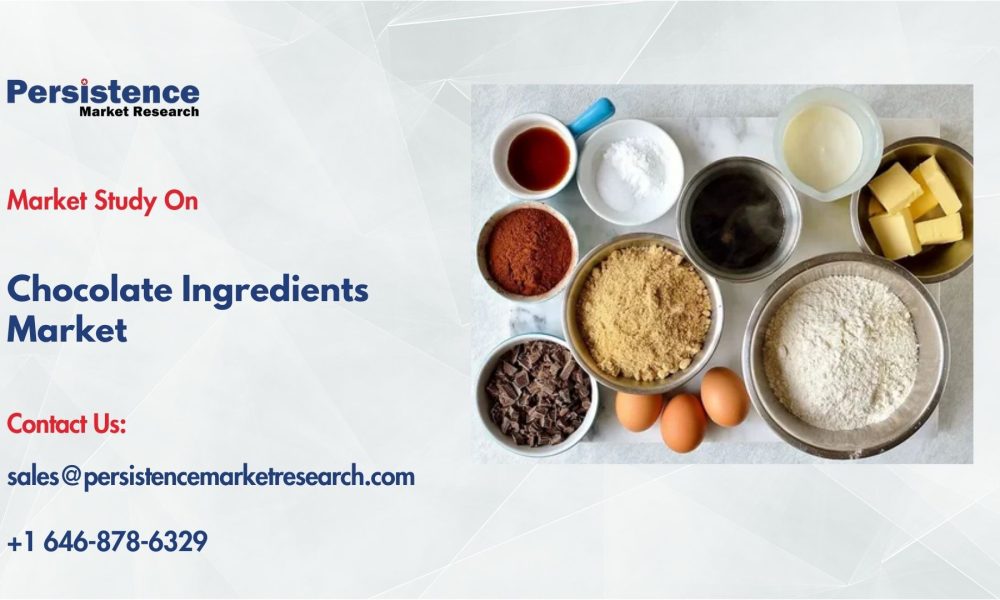
Overview of the Market
The global chocolate ingredients market is positioned for steady growth, with its size estimated at US$ 17.3 billion in 2025 and projected to reach US$ 22.5 billion by 2032, registering a CAGR of 3.8% during the forecast period. This growth reflects the enduring popularity of chocolate across the globe, not only as a consumer favorite but also as a versatile ingredient in diverse applications spanning confectionery, bakery, dairy, beverages, and cosmetics. Rising consumer inclination toward indulgence, coupled with growing demand for functional and premium chocolates, is creating strong momentum for ingredient suppliers.
Market statistics indicate that cocoa butter, cocoa liquor, and cocoa powder remain the most essential ingredients, with rising inclusion of sweeteners, dairy solids, and emulsifiers to cater to evolving product formats. The confectionery segment leads the market, driven by surging global chocolate consumption. Regionally, Europe continues to dominate owing to its deeply rooted chocolate culture and a strong base of manufacturers, while Asia Pacific is emerging as a high-growth region due to rising disposable incomes, urbanization, and demand for innovative chocolate-based products among younger populations.
Key Highlights from the Report
- The global chocolate ingredients market is set to grow at a CAGR of 3.8% between 2025 and 2032.
- Cocoa-based ingredients dominate the product mix due to their wide use in confectionery and bakery items.
- Europe leads the market, supported by premium chocolate consumption and strong production hubs.
- Asia Pacific presents the fastest growth opportunities driven by urbanization and changing food habits.
- Functional and organic chocolate ingredients are gaining traction among health-conscious consumers.
- Rising demand from bakery, dairy, and beverage industries boosts ingredient diversification.
Market Segmentation
The chocolate ingredients market can be segmented based on product type, end-use industries, and form. By product type, cocoa-based ingredients including cocoa butter, cocoa liquor, and cocoa powder form the core of the industry, supported by dairy ingredients, sweeteners, flavors, and emulsifiers. Cocoa butter, in particular, is extensively used in both confectionery and cosmetics due to its rich texture and functionality. Sweeteners, including both natural and artificial types, play a crucial role in balancing flavor profiles, with rising interest in sugar-free or reduced-sugar formulations.
In terms of end-use, confectionery remains the leading segment, accounting for the bulk of chocolate ingredient demand. This includes chocolate bars, candies, and filled products that continue to enjoy strong global consumption. Beyond confectionery, the bakery segment leverages chocolate chips, cocoa powders, and fillings for cakes, cookies, and pastries, while the dairy industry utilizes chocolate in flavored milk, yogurts, and ice creams. Beverages also represent a rising application, with hot chocolate, cocoa drinks, and ready-to-drink chocolate beverages gaining popularity. Additionally, the cosmetics and personal care industry has created niche demand for cocoa butter and cocoa extracts, expanding the market scope further.
Regional Insights
Europe remains the dominant region in the global chocolate ingredients market, with countries such as Switzerland, Belgium, Germany, and France serving as key hubs for chocolate manufacturing and consumption. European consumers are particularly inclined toward premium, artisanal, and sustainably sourced chocolate products, fueling demand for high-quality ingredients. The region’s strict sustainability standards and emphasis on fair-trade cocoa sourcing also play a role in shaping the market.
North America represents another significant market, supported by the strong presence of multinational chocolate brands and high per capita chocolate consumption. The region is also witnessing increased demand for organic, low-sugar, and specialty chocolate varieties, creating opportunities for ingredient suppliers. Meanwhile, Asia Pacific is expected to be the fastest-growing regional market. Rising disposable incomes, urbanization, and Western influence on food culture are driving chocolate consumption in countries like China, India, and Japan. Additionally, the Middle East and Africa, though relatively smaller in market share, are gaining attention due to increasing chocolate imports and a growing middle-class population.
Market Drivers
The global chocolate ingredients market is being propelled by multiple factors. Rising consumer indulgence in confectionery products remains the primary growth driver, as chocolate continues to symbolize celebration, comfort, and gifting. Premiumization is another strong driver, with consumers showing growing interest in artisanal, specialty, and sustainably sourced chocolate products. The rise of health-conscious consumption has encouraged demand for organic, sugar-free, and functional chocolate varieties, pushing ingredient manufacturers to innovate. Additionally, the expansion of bakery and dairy sectors worldwide has led to rising incorporation of chocolate in diverse product formats. Growing awareness of cocoa’s antioxidant properties and mood-enhancing effects further supports demand across multiple industries.
Market Restraints
Despite its growth prospects, the market faces notable challenges. Volatility in cocoa prices due to supply-demand fluctuations and climate change significantly impacts raw material costs for manufacturers. Stringent sustainability and fair-trade requirements also add to operational expenses. Rising consumer awareness about sugar-related health issues has created headwinds for traditional chocolate products, pushing the industry to invest heavily in reformulation. Additionally, geopolitical factors and supply chain disruptions can constrain the availability of cocoa and related ingredients, limiting the ability of manufacturers to meet surging demand in certain regions.
Market Opportunities
There are substantial opportunities ahead for the chocolate ingredients market. The surge in plant-based diets is driving demand for dairy-free and vegan chocolate ingredients, creating new avenues for innovation. Functional chocolates infused with nutrients, probiotics, or superfoods are gaining traction among health-focused consumers. E-commerce expansion also opens new distribution opportunities, allowing premium and niche chocolate brands to reach a wider global audience. Furthermore, emerging markets in Asia Pacific, the Middle East, and Latin America present untapped potential as consumers increasingly embrace chocolate as part of their daily diet. Investments in sustainable sourcing and ethical supply chains are expected to provide long-term advantages for ingredient suppliers who align with consumer values.
Reasons to Buy the Report
- Gain in-depth insights into market size, growth trends, and future outlook for chocolate ingredients.
- Understand the competitive landscape and strategies of key global players.
- Identify growth opportunities across product types, end-use industries, and regions.
- Explore key drivers, restraints, and opportunities shaping the industry.
- Access valuable data for strategic decision-making and investment planning.
Frequently Asked Questions (FAQs)
How Big is the Chocolate Ingredients Market?
Who are the Key Players in the Global Chocolate Ingredients Market?
What is the Projected Growth Rate of the Market?
What is the Market Forecast for 2032?
Which Region is Estimated to Dominate the Chocolate Ingredients Industry through the Forecast Period?
Company Insights
- Barry Callebaut AG
• Cargill Incorporated
• Olam International Limited
• The Hershey Company
• Nestlé S.A.
• Archer Daniels Midland Company
• Mars Incorporated
• Mondelez International Inc.
• Blommer Chocolate Company
• Puratos Group
Recent developments include Barry Callebaut’s strategic investment in expanding its sustainable cocoa sourcing programs to strengthen ethical supply chains, and Cargill’s introduction of new sugar-reduced chocolate solutions to meet the rising demand for healthier confectionery products.
Conclusion
The global chocolate ingredients market is on a steady growth trajectory, set to expand from US$ 17.3 billion in 2025 to US$ 22.5 billion by 2032. Demand for premium, sustainable, and innovative chocolate products will continue to drive the industry forward, despite challenges posed by raw material volatility and health-related concerns. As the market evolves, ingredient suppliers who embrace sustainability, plant-based innovations, and functional offerings will be well-positioned to capture growth opportunities in both mature and emerging regions.
Explore the Latest Trending Research Reports:




