
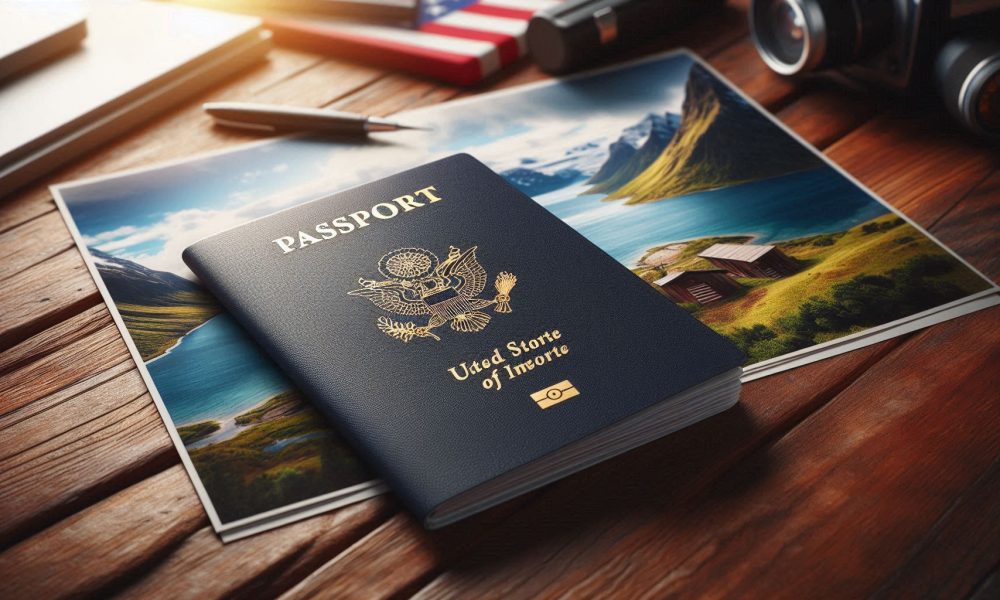
In a world increasingly defined by data trails, biometric records, and interconnected databases, the act of changing a name remains one of the most symbolic and profound forms of personal reinvention. From ancient Roman practices of renaming to modern legal systems that allow individuals to modify their identities, name changes carry layers of history, legality, and controversy.
For some, it is a means of personal liberation; for others, it becomes a tool for fraud or disappearance. This press release examines the legal and illegal pathways of name changes, contextualizing how societies balance the rights of individuals to reinvent themselves with the responsibility to prevent abuse.
A Historical Perspective: Names as Social Currency
The practice of changing names is as old as civilization itself. In ancient Rome, slaves who earned or were granted freedom often adopted new names, symbolizing their transition from bondage to autonomy. In medieval Europe, names were linked to lineage, craft, or place of origin, yet individuals sometimes altered them to conceal ancestry, evade feudal obligations, or integrate into new communities.
In religious contexts, name changes marked transformations of faith, such as Saul becoming Paul in Christian tradition, or the adoption of new names upon entering monastic life. The notion of a new identity tied to a new name carried both empowerment and risk. Societies understood that a change in name could signify redemption, exile, or deception, and the practice has remained deeply intertwined with culture, law, and power.
The Legal Framework of Name Changes Today
In most democratic societies, individuals retain the right to legally change their names, provided the process follows prescribed regulations. Legal name changes often occur for reasons such as marriage, divorce, gender transition, or the desire to shed names associated with stigma or trauma. Courts in many jurisdictions typically approve name changes unless they are deemed fraudulent, misleading, or intended to escape legal obligations. For example, a person attempting to evade debt or criminal charges may be denied.
In the United States, the process generally involves filing a petition, publishing a notice in a local newspaper, and attending a court hearing. In Canada, provincial authorities oversee name changes, requiring background checks and, in some cases, fingerprints to confirm that applicants are not concealing criminal records.
In the European Union, procedures vary, with some states maintaining strict requirements tied to cultural heritage and others adopting more liberal policies. Despite variation, the intent behind regulation is consistent: balancing the individual’s right to reinvention with the state’s duty to preserve accountability.
Global Comparison of Legal Pathways
United States: Decentralized processes across states. Publication of notice remains a standard requirement in many jurisdictions, though waived in sensitive cases.
Canada: Provincial systems rely heavily on fingerprinting and criminal background checks. Quebec maintains stricter cultural and linguistic considerations.
United Kingdom: Uses “deed polls” for official name changes, which are recognized by most institutions without court intervention.
Germany: Requires “important reason” for a change, often interpreted narrowly, making cultural or personal motivations insufficient.
Japan: Permits name changes but restricts given names in some cases to avoid confusion in family registries.
Middle East: Regulations vary widely. Some states restrict name changes to preserve lineage and tribal affiliations, while others allow flexibility for personal or religious reasons.
The diversity of systems reflects differing cultural attitudes toward identity, heritage, and the balance between individual freedom and state oversight.
Illegal Pathways: Disappearing Through Fraud
While legal name changes are subject to oversight, illegal methods of assuming new identities remain a persistent challenge for governments and law enforcement agencies. Criminals have long exploited weaknesses in bureaucratic systems, from forging baptismal certificates in centuries past to falsifying passports and driver’s licenses in the digital age. Modern fraud schemes often involve stolen identities, fabricated documents, and corrupt officials willing to provide authentic records under false pretenses.
Identity Theft Networks
Organized crime groups run large-scale identity theft operations, sometimes involving data breaches of millions of individuals. Personal details are harvested and then used to construct synthetic identities combinations of real and fictitious information. Once validated in one system, such as a bank or credit bureau, these identities propagate across multiple platforms, creating legitimate-seeming records. With a fraudulent name attached to an authentic Social Security number, criminals can access loans, commit tax fraud, or launder money. These networks often operate transnationally, taking advantage of differing verification standards between countries.
Case Study: A Stolen Identity Across Borders
In one case, a criminal syndicate based in Southeast Asia used stolen passport data to create a portfolio of false identities sold on the dark web. A buyer in Europe assumed the identity of a deceased child whose records had not been updated, obtaining a legitimate passport under the false name. With it, he traveled across Schengen borders undetected, conducting financial crimes in multiple jurisdictions. Authorities only uncovered the scheme after cross-referencing biometric data. This case highlights how lapses in record-keeping, when combined with sophisticated fraud, create opportunities for individuals to vanish under assumed names.
Case Study: The Refugee Name Change Dilemma
One of the most complex arenas for name changes lies within the refugee system. Individuals fleeing persecution may arrive with incomplete or damaged documents, forcing them to adopt new names for survival. In Canada and Europe, refugee applicants often face scrutiny when their names do not align across documents. For many, the discrepancy stems not from deception but from transliteration errors or the use of protective aliases.
A Syrian refugee who entered Europe under one spelling of his name found himself unable to unify his records across government systems, creating barriers to employment and housing. In this case, officials eventually facilitated a legal name change to ensure consistency, but the experience highlighted the fine line between compassion and suspicion. For refugees, the opportunity to adopt a new name is often about more than reinvention; it is about reclaiming stability in a new homeland.
The Rise of Digital Identity and the New Challenges
The digital transformation of society has elevated the importance of names as data markers. Banks, healthcare systems, and online platforms all rely on names as key identifiers. A legal name change, once a matter of paper records, now requires updates across vast digital ecosystems. Governments have introduced centralized databases to reduce inconsistencies, but these efforts can inadvertently expose personal information.
In some cases, individuals who have legally changed their names for safety reasons, such as domestic violence survivors, have found their former names still circulating online, undermining their efforts to vanish from dangerous situations. Conversely, illegal actors exploit digital systems by planting fraudulent identities in poorly monitored databases. The battle over names has become as much about cybersecurity as it is about law.
Case Study: Witness Protection Programs
Perhaps the most well-known form of government-sanctioned identity change is the witness protection system. In the United States, the U.S. Marshals Service administers the Witness Security Program, offering new names, Social Security numbers, and documentation to individuals whose testimony places them at risk. Similar programs exist in Italy, Canada, and other jurisdictions. While participants are legally granted new identities, the process is shrouded in secrecy, designed to prevent exposure.
A former mob associate turned state witness described the difficulty of adjusting to a new name and persona, highlighting the psychological toll of enforced reinvention. Even though the name change was legal and protective, it carried isolation, as the individual could not disclose their past to new acquaintances. This case underscores that changing a name is not merely a legal transaction but a profound alteration of personal narrative.
Cultural Dimensions of Name Changes
Name changes also intersect with cultural identity. Immigrants often modify names to adapt to new linguistic environments, seeking acceptance or avoiding discrimination. In North America, many families of European or Asian origin shortened or anglicized names during the 20th century to integrate more easily. Today, some descendants seek to restore original names as acts of cultural reclamation.
These shifts reveal the dual forces of assimilation and heritage preservation, each with legal implications. In certain cases, reclaiming an ancestral name requires proof of lineage, creating bureaucratic challenges. The cultural weight of names ensures that legal systems must address not only fraud prevention but also the affirmation of identity.
Case Study: The Fraudulent Financial Operator
Not all name changes stem from positive motives. In one notorious case, a financial operator facing civil lawsuits in multiple states legally petitioned to change his name, claiming personal hardship. Once the change was granted, he used the new identity to launch fresh business ventures, defrauding investors who were unaware of his past.
Eventually, investigative journalists exposed the ruse, prompting reforms in court oversight. This case illustrates how gaps in the system can be exploited when checks are insufficient. It also highlights the importance of transparency and information-sharing across jurisdictions, particularly in a globalized economy where individuals move freely.
Biometric Safeguards and Their Limits
To combat fraudulent reinvention, many states have introduced biometric safeguards in passports, national IDs, and border control systems. Fingerprints, iris scans, and facial recognition create unique identity anchors that cannot easily be erased. Yet these systems are not infallible. Errors in data entry, mismatched records, or algorithmic bias can lead to false positives and wrongful detentions. Furthermore, authoritarian regimes have used biometric tracking to restrict freedoms, raising ethical concerns. For individuals in legitimate need of new identities such as those in witness protection or victims of persecution biometric permanence may undermine their safety.
Case Study: Biometric Duplication in South Asia
In one South Asian nation, biometric records were compromised when hackers gained access to a government database. They sold fingerprint templates on the black market, enabling criminals to create fraudulent identities that passed biometric checks. One victim discovered that his fingerprints had been linked to an entirely different name, leading to wrongful accusations. The incident demonstrates that while biometrics reduce certain risks, they introduce new vulnerabilities when cybersecurity is weak.
Celebrity Reinvention and Public Records
Celebrities have long used name changes as a means of crafting public personas. Stage names and pseudonyms are legally recognized in many jurisdictions as long as contracts and financial records align. While benign in most cases, some public figures have used legal name changes to obscure financial liabilities or disassociate from scandal. The entertainment industry thus highlights both the harmless and potentially exploitative aspects of reinvention. Fans may celebrate a reinvention as artistry, while regulators scrutinize whether the change masks deeper misconduct.
Intelligence Agencies and Covert Identity Creation
Beyond public cases, intelligence agencies operate in a shadow realm of sanctioned false identities. Operatives may be issued “legends”—completely fabricated names, histories, and documents that allow them to function abroad. These identities are backed by government resources, making them nearly impossible to detect. While necessary for espionage and counterterrorism, such practices raise questions about accountability and the potential misuse of state power. Case studies from Cold War archives reveal that some operatives continued to use their false identities long after missions ended, creating long-term anomalies in record systems.
Jurisdictional Scandals: Loopholes Exposed
In some countries, scandals have erupted when loopholes in the name change process were exploited. In one European jurisdiction, investigative reporters uncovered that multiple convicted criminals had legally changed their names to evade background checks for employment. In another case, officials in a South American country were implicated in selling legitimate identity documents under new names, enabling drug traffickers to travel freely. These incidents underscore the need for transparency, international cooperation, and robust vetting systems.
Balancing Reinvention and Accountability
The debate over name changes ultimately reflects a broader societal question: how much freedom should individuals have to reinvent themselves, and how should governments enforce accountability? Advocates argue that personal reinvention is a human right, essential for survivors of trauma, marginalized individuals, and those seeking new beginnings. Critics warn that unrestricted changes open the door to fraud, terrorism, and financial crime. The balance lies in rigorous legal processes that safeguard against abuse while respecting legitimate needs. This balance is especially relevant in an era where global mobility and digital interconnectivity complicate traditional legal boundaries.
The Role of Technology in Verification
Emerging technologies such as blockchain-based identity records, biometric passports, and artificial intelligence verification systems are reshaping the landscape of name changes. These tools promise stronger protections against fraud but raise concerns about privacy and surveillance. For individuals seeking to vanish legally, whether through witness protection or personal safety measures, overly rigid technological systems may erode the confidentiality required. For illegal actors, however, these systems represent formidable barriers. As governments race to modernize identification systems, the tension between security and freedom continues to grow.
Case Study: Gender Transition and Legal Recognition
An important modern dimension of name changes lies within gender identity. Transgender individuals frequently pursue legal name changes to align with their affirmed identities. In many jurisdictions, the process has become more accessible, with courts waiving publication requirements to protect privacy. However, barriers remain in countries where gender transition is not legally recognized or is heavily stigmatized. A transgender woman in Eastern Europe successfully changed her name through legal petition but faced ongoing discrimination when outdated systems revealed her prior identity. This case underscores that legal recognition is only one step; societal acceptance and data modernization are equally critical.
Conclusion: A World in Transition
The act of changing a name has always been about more than paperwork. It is a declaration of identity, an act of survival, or a tool of deception. Legal systems worldwide continue to grapple with how to support legitimate reinvention while closing loopholes exploited by fraudsters. As technology evolves, the challenge intensifies, requiring cooperation across jurisdictions and disciplines. For individuals, the decision to change a name may carry liberation or loss, but it will always carry weight. For societies, the question remains how to uphold both freedom and accountability in the delicate balance of identity.
Contact Information
Phone: +1 (604) 200-5402
Signal: 604-353-4942
Telegram: 604-353-4942
Email: [email protected]
Website: www.amicusint.ca




