
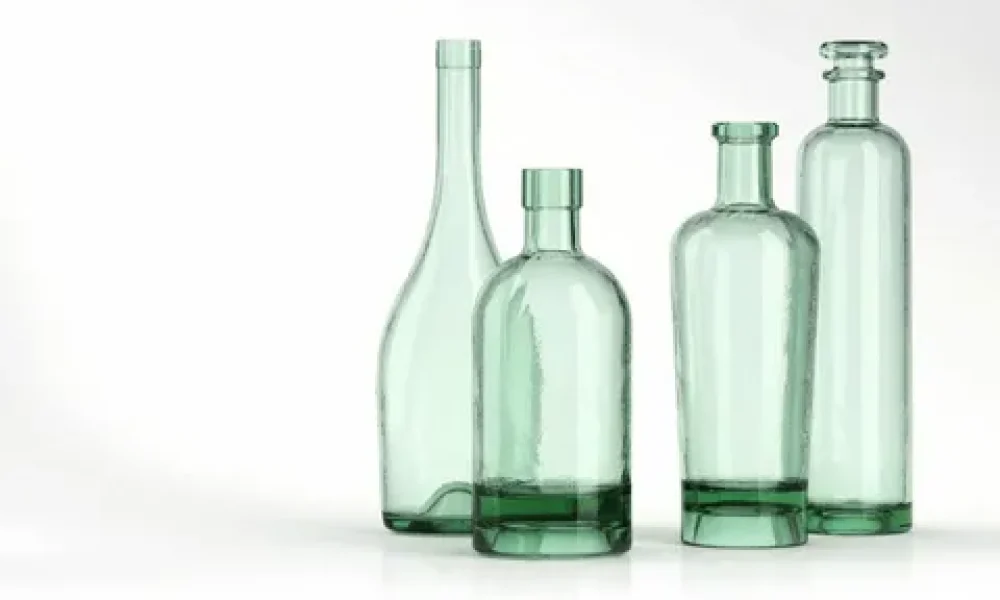
The global Premium Spirits Glass Bottle Market is set for steady and stylish growth, rising from USD 7.7 billion in 2025 to USD 12.1 billion by 2035. This trajectory represents a CAGR of 4.6%, underlining the role of glass packaging as a cornerstone of luxury branding and consumer experience in the spirits industry.
The market’s growth multiplier of 1.57x reflects not just increased demand for premium alcoholic beverages but also a shift in consumer expectations toward bottles that embody authenticity, sustainability, and artistry.
A Two-Phase Growth Story
From 2025 to 2030, the market is expected to expand by USD 1.9 billion, contributing 43% of the total growth opportunity. This phase will be powered by mature markets such as North America and Europe, where consumers increasingly seek personalized bottle designs, collectible editions, and elegant glassware showcased in duty-free retail.
The second growth phase, between 2030 and 2035, is forecast to generate a larger USD 2.5 billion gain—57% of the overall growth. During this period, emerging economies like China and India will lead the charge, where premium spirits consumption is accelerating alongside rising middle-class affluence. In these regions, demand will favor embossed, textured, and lightweight bottles, reinforcing the idea that glass packaging is not just functional, but a critical extension of brand storytelling.
Full Market Report available for delivery. For purchase or customization, please request here:
https://www.futuremarketinsights.com/reports/sample/rep-gb-23040
Why Premium Spirits Depend on Premium Glass
Glass bottles are more than containers; they are brand ambassadors. For premium and ultra-premium spirits, packaging plays a defining role in conveying heritage, craftsmanship, and exclusivity.
In the alcoholic beverage packaging market, premium spirits glass bottles hold a 15–18% share, driven by the dominance of glass in high-end spirits versus cans or PET bottles.
Within glass packaging as a whole, this segment accounts for 8–10%, alongside applications in beer, wine, food, and pharmaceuticals.
In luxury packaging, premium spirits glass bottles make up 12–14%, where customization, embossing, and high-end finishes are paramount.
Most notably, in the spirits and liquor packaging market, they command a 35–40% share, underscoring their importance to brand identity.
Consumers expect bottles that are collectible, sustainable, and visually distinctive, while producers recognize their ability to elevate shelf presence and justify premium pricing.
What’s Driving the Market
Premiumization of Spirits – Rising demand for luxury whiskey, gin, vodka, tequila, and bourbon worldwide has put emphasis on collectible, limited-edition bottles.
Sustainability Demands – With regulations and consumer preferences favoring recyclable and reusable packaging, glass remains the most environmentally trusted option.
Design Differentiation – Decorative embossing, metallic finishes, NFC tags, and personalized bottle shapes help brands stand out and engage directly with consumers.
E-Commerce Growth – Online channels are creating opportunities for protective yet striking bottle formats optimized for shipping.
However, challenges remain. Packaging taxes, energy-intensive glass production, and raw material price volatility weigh on margins, especially for smaller producers. Yet, manufacturers investing in lightweight bottles, recycled content, and new decorative techniques are mitigating risks while positioning themselves for future growth.
Segmental Highlights
Capacity: Medium-sized bottles (200–500 ml) lead with a 41.3% share in 2025, aligning with consumer trends for gifting and moderate consumption. This format also lends itself to craft and limited-edition launches.
Shape: The round bottle dominates with 57.8% share, balancing timeless appeal, branding surface area, and compatibility with automated filling lines.
Color: Transparent glass reigns supreme at 63.2%, showcasing product purity and natural hues while offering ample scope for creative labeling and closures.
Country-Level Outlook
China is projected to grow at 6.2% CAGR, driven by gifting culture and luxury spirit demand. Advanced UV embossing and metallic finishes are becoming mainstream.
India follows at 5.8% CAGR, with thick-walled premium whiskey bottles and eco-friendly lightweight glass gaining traction. E-commerce is accelerating packaging innovation.
Germany will grow at 5.3% CAGR, emphasizing sustainable, recyclable glass for artisanal spirits. Frosted and engraved designs are preferred in boutique distilleries.
France (4.8% CAGR) leverages heritage branding in cognac and champagne with multi-color glass and embossed designs.
United Kingdom (4.4% CAGR) favors decanter-style bottles and UV printing technologies, fueled by premium gin exports.
United States (3.9% CAGR) continues steady growth, driven by high domestic consumption and rising demand for custom bottle designs.
Get the Report Brochure Now:
https://www.futuremarketinsights.com/reports/brochure/rep-gb-23040
Established Giants and Emerging Innovators
The competitive landscape is a balance of tradition and innovation.
Established Leaders:
Verallia, Saverglass, Stoelzle Glass, and Vidrala remain at the forefront, thanks to their global scale, advanced forming technologies, and partnerships with international spirits brands. Their focus on sustainability and premium finishes keeps them ahead.Regional Specialists:
AGI glaspac, Deco Glas, Estal Packaging, Gallo Glass, and TricorBraun provide strong customization services, catering to regional preferences in Europe, North America, and Asia.Emerging Innovators:
Companies such as Blueglass of Sweden, Roetell, and United Bottles and Packaging are carving niches with eco-friendly practices, artisanal craftsmanship, and bespoke decorative techniques. These challengers are agile, often co-developing limited-edition bottles with fast-growing craft spirit brands.
A notable development came in December 2024, when Spearhead Global partnered with Italy’s Vetreria Etrusca to launch a co-branded line of eco-friendly bottle designs. The collaboration exemplifies the industry’s dual focus: premium aesthetics and environmental responsibility.
Innovation at the Forefront
The next decade will bring breakthroughs that marry tradition with technology:
Lightweighting: Diageo’s 2024 debut of the world’s lightest whisky bottle (180 g) demonstrates how luxury brands can cut carbon footprints without compromising quality.
Interactive Packaging: NFC tags and QR codes embedded in bottles allow consumers to verify authenticity, access brand stories, and even engage in virtual tastings.
Sustainable Craftsmanship: High-clarity recycled glass and solvent-free decoration methods are increasingly favored by both luxury giants and small distilleries.
Looking Ahead
By 2035, premium spirits glass bottles will be more than just packaging—they will be interactive, sustainable works of art that capture the essence of every brand. As the market grows toward USD 12.1 billion, success will depend on manufacturers’ ability to blend heritage craftsmanship with cutting-edge innovation.
With premiumization firmly reshaping the spirits industry, both established leaders and ambitious newcomers are presented with a clear opportunity: to redefine luxury, one glass bottle at a time.



