
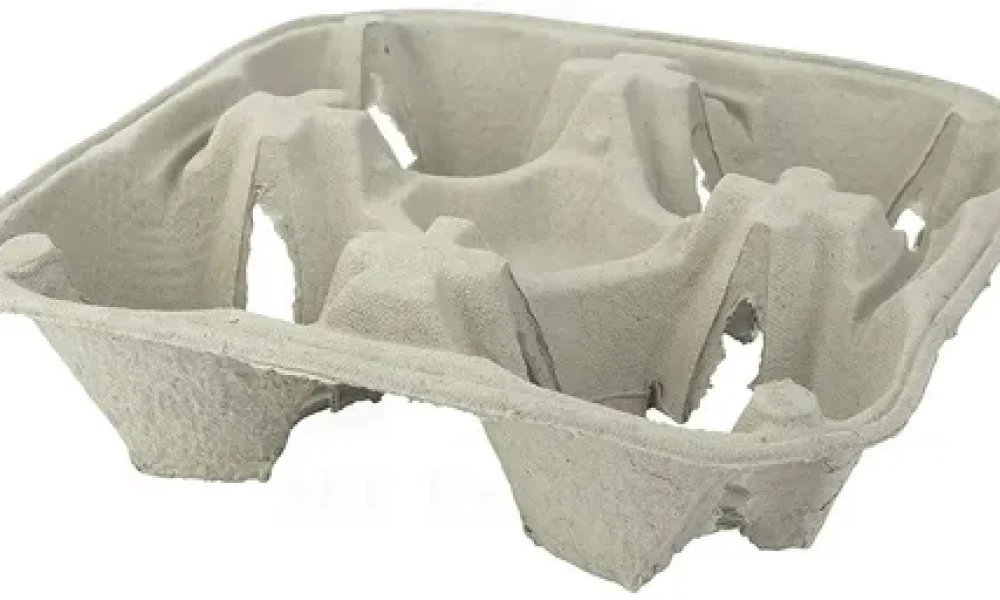
The global Molded Fiber Cup Market is gearing up for steady growth, fueled by the urgent shift toward sustainable packaging solutions. Valued at USD 1.3 billion in 2025, the market is projected to reach USD 1.7 billion by 2035, expanding at a CAGR of 2.5% over the forecast period, according to the latest industry insights.
This growth comes at a time when the foodservice industry is undergoing a transformative change. With consumer demand tilting toward eco-friendly alternatives and governments worldwide enforcing stricter regulations on single-use plastics, molded fiber cups are rapidly gaining traction as a practical, sustainable, and commercially viable solution.
Why Molded Fiber Cups Are Gaining Ground
Unlike conventional plastic cups, molded fiber cups are manufactured using recycled paper and paperboard, making them 100% biodegradable and recyclable. Their adoption is being driven by a combination of environmental awareness, corporate sustainability goals, and regulatory compliance.
“In today’s packaging landscape, sustainability is no longer optional—it’s a necessity. Molded fiber cups not only address environmental concerns but also deliver durability, heat resistance, and leak-proof performance, which are critical in the foodservice sector,” said an industry analyst from the report.
Foodservice operators, retailers, and beverage companies are increasingly integrating molded fiber cups into their operations to balance convenience with environmental responsibility.
Request Your Sample Now: https://www.futuremarketinsights.com/reports/sample/rep-gb-7635
Market Segmentation Highlights
The report provides a comprehensive analysis of the molded fiber cup market across capacity, distribution channels, end use, and regions.
- By Capacity:
The 250 to 500 ml segment leads the market with 39.4% share in 2025. Its popularity stems from its versatility across hot and cold beverages and alignment with consumer demand for standard serving sizes. This segment is also cost-effective for manufacturers while ensuring product consistency.
- By Distribution Channel:
Supermarkets and hypermarkets will dominate with 46.2% of market share in 2025. Large retail chains are increasingly showcasing eco-friendly beverage packaging, and consumer preference for sustainable products is reinforcing this growth.
- By End Use:
Food service outlets will account for the largest share at 52.7% in 2025. Cafes, quick service restaurants, and catering services are prioritizing molded fiber cups for their biodegradability and convenience, especially with the rise of takeaway and delivery services.
Regional Outlook
The molded fiber cup market is geographically diverse, with North America, Asia-Pacific, and Europe identified as the key growth regions.
- China is projected to lead with a CAGR of 3.4%, followed closely by India at 3.1%, reflecting rising demand from rapidly growing foodservice industries.
- In Western Europe, Germany held a dominant revenue share in 2024 and is expected to maintain a 2.9% CAGR through 2035.
- The U.S. market, valued at USD 487.8 million in 2025, is anticipated to reach USD 602.0 million by 2035 at a CAGR of 2.1%.
- Emerging regions, including Brazil and parts of the Middle East & Africa, are also expected to see gradual but consistent adoption as sustainability becomes a global priority.
Established Players and New Entrants Driving Innovation
The molded fiber cup market is highly dynamic, with both established manufacturers and new entrants playing critical roles.
Leading players such as Huhtamaki, UFP Technologies, ESCO Technologies, EnviroPAK, Brødrene Hartmann, Henry Molded Products, OrCon Industries, Pactiv, and Pacific Pulp Molding are continuously innovating in raw material selection, design optimization, and production technologies.
For instance, advances in fiber molding technology are allowing the production of cups with improved structural integrity, heat retention, and compatibility with sealing systems. These innovations make molded fiber cups suitable for a wide range of beverage applications, ensuring they can compete head-to-head with conventional alternatives.
Meanwhile, emerging manufacturers and local players are seizing opportunities to expand in regional markets by offering affordable, scalable, and customized molded fiber cup solutions. This trend is particularly evident in Asia-Pacific, where startups are capitalizing on the rapid shift to sustainable packaging in urban foodservice and retail sectors.
Get the Report Brochure Now: https://www.futuremarketinsights.com/reports/brochure/rep-gb-7635
Drivers & Restraints
The market outlook remains largely positive, driven by several key factors:
- Drivers:
- Increasing number of foodservice outlets globally.
- Rising consumer awareness about plastic pollution.
- Supportive government policies restricting single-use plastics.
- Improved recyclability and cost-effectiveness of molded fiber products.
- Restraints:
- Availability of well-established plastic alternatives.
- Gradual pace of plastic bans in certain countries.
- Limited number of global manufacturers with large-scale operations.
Nonetheless, the market is expected to remain resilient. As countries follow France’s lead in banning plastic cups, the demand for molded fiber alternatives is projected to accelerate.
A Market Aligned with Consumer Values
The molded fiber cup market is not just about numbers—it reflects a larger societal shift. Consumers are increasingly making purchase decisions based on environmental impact, pushing businesses to embrace eco-conscious practices.
Food and beverage brands that adopt molded fiber cups are finding not only regulatory compliance but also enhanced brand reputation. By meeting consumer expectations for sustainability, these companies are strengthening customer loyalty while contributing to global environmental goals.
Future Outlook
With a projected market value of USD 1.7 billion by 2035, molded fiber cups are set to become a mainstay in the global foodservice packaging industry. While the CAGR of 2.5% reflects steady rather than explosive growth, the market’s expansion is underpinned by long-term sustainability commitments that are unlikely to reverse.
Both global leaders and emerging innovators in the industry are well-positioned to benefit from this transition. By investing in technology, expanding production capacity, and aligning with evolving regulatory frameworks, these players will continue shaping the future of sustainable beverage packaging.



