
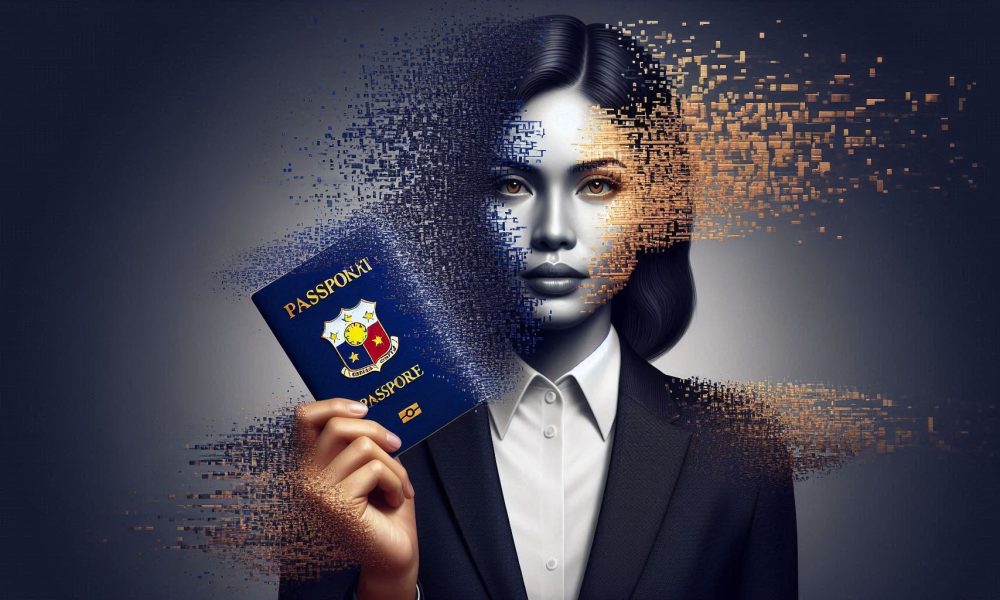
VANCOUVER, British Columbia, August 2, 2025 — When most people think about “disappearing,” they imagine the U.S. Marshals Service’s Witness Security Program (WITSEC), complete with new names, new towns, and full federal protection. But what happens if you’re not a federal witness? What if you’re not cooperating with law enforcement, but your safety—or sanity—depends on vanishing? In today’s era of digital exposure, online harassment, political targeting, and reputational ruin, the ability to disappear is no longer just for government witnesses—it’s a survival tool for civilians.
Amicus International Consulting, a global leader in identity transformation and international legal privacy planning, offers precisely that: fully legal, civilian-focused alternatives to government witness protection. These structured, jurisdictionally compliant pathways help individuals vanish from public systems—not to escape the law, but to reclaim their rights to safety, peace, and privacy.
With more people experiencing reputational trauma, doxxing, civil litigation, and cross-border digital threats, the need for civilian legal disappearance has never been greater. And WITSEC, for all its value, isn’t an option for 99% of those who need a new start.
The Myth of WITSEC: Who It’s For—and Who It Ignores
WITSEC, created in 1970 and managed by the U.S. Marshals Service, is designed to protect federal witnesses whose testimony puts them in immediate physical danger. It is selective, heavily monitored, and bound by strict behavioral contracts. Participants receive:
Government-issued new names and identities
Relocation to a different part of the U.S.
Assistance with housing, employment, and documentation
Constant oversight and travel restrictions
However, WITSEC only serves a particular demographic: cooperating witnesses in major criminal cases. It does not assist:
Whistleblowers in civil or corporate environments
Victims of online harassment, stalking, or defamation
Individuals recovering from media scandals
Professionals facing reputational damage without criminal charges
Families embroiled in high-profile lawsuits or custody battles
For these people, traditional protection programs are unavailable, leaving them exposed—unless they choose civilian legal disappearance.
The Rise of Civilian Disappearance: A New Legal Necessity
Civilian legal disappearance refers to the structured, lawful transformation of a person’s legal, digital, financial, and geographic presence. The goal is not evasion—it’s protection.
Amicus International Consulting has developed civilian privacy frameworks for clients in over 30 countries, particularly in North America, Europe, and the Middle East. These clients are:
Journalists are facing retaliation from authoritarian regimes
Tech entrepreneurs escaping smear campaigns
High-net-worth individuals are avoiding media leaks and political targeting
Cyberbullying victims rebuilding after online trauma
Whistleblowers are not protected by federal laws
They don’t qualify for WITSEC, but they need anonymity. For them, civilian routes to disappearance are not only possible—they’re life-saving.
Legal Disappearance Tools: The Amicus Framework
Amicus designs individualized legal disappearance plans built on jurisdictional law, international treaties, and identity rights. Each strategy includes one or more of the following:
1. Legal Name and Identity Change
Most countries allow for name and gender changes through administrative or judicial processes. In some jurisdictions, these changes can be sealed from public view.
Canada: sealed court orders available for name changes
Mexico and Argentina: support legal name and gender change with sealed identity records
United States: state-level name change processes can be sealed in abuse or stalking cases
2. Second Passports and Citizenship-by-Investment
Dual citizenship offers a second, clean national identity. Caribbean and Pacific programs allow clients to gain new passports legally, often in under 90 days.
Common programs used by Amicus clients:
Saint Lucia
Antigua and Barbuda
Vanuatu
Dominica
These countries offer:
Visa-free travel to over 100 countries
No public disclosure of citizenship status
Non-participation in biometric data-sharing networks
3. Offshore Structures for Asset and Identity Shielding
Trusts, IBCs (International Business Corporations), and private foundations are used to conduct business, hold assets, and manage contracts.
Belize: IBC registry with no public disclosure
Nevis: strong asset protection laws and nominee structures
Panama: foundations that allow for complete legal control without name exposure
These structures legally separate your name from your operations.
4. Digital Erasure and Footprint Suppression
Amicus helps clients remove or bury digital content through:
GDPR Right to Erasure (Article 17)
CCPA Deletion Requests
Brazil’s LGPD Data Removal Provisions
Delisting from data brokers like Whitepages, BeenVerified, and Spokeo
Google delisting under privacy or safety exemptions
In addition, clients are transitioned to secure communication and digital tools:
ProtonMail, Tutanota for email
Signal, Threema for messaging
Startpage, DuckDuckGo for search
Secure file storage via Skiff or Proton Drive
5. Residency in Privacy-Friendly Jurisdictions
Strategic relocation to a country that doesn’t cooperate with global data-sharing networks (FATCA, CRS, Interpol) is often the cornerstone of safe civilian disappearance.
Amicus frequently uses:
Paraguay: permanent residency with minimal record exposure
Uruguay: private health, education, and immigration systems
Georgia: e-residency and non-biometric property structures
Ecuador: private relocation and residency without high disclosure burdens
These countries allow new starts without visibility to one’s previous government or the international financial system.
Case Study 1: The Stalking Survivor Who Couldn’t Count on the State
A woman in British Columbia endured years of cyberstalking from a former partner who exploited her social media, employer records, and public filings. Though she received restraining orders, no national program would protect her. Amicus provided:
Legal name change under Canada’s sealed record provisions
Removal of property listings and business registrations from online databases
Offshore incorporation of a new consulting firm using a nominee director
Second citizenship through Dominica’s economic program
Complete relocation to Paraguay under permanent residency
Within 14 months, she had no remaining traceable digital footprint. She now works safely, travels freely, and maintains full legal compliance.
Case Study 2: The Exonerated CEO With Nowhere to Turn
A U.S. CEO was publicly accused of fraud by a competitor in a hostile takeover attempt. Though the charges were dismissed, his online reputation was irreparably harmed. His family received threats, his accounts were frozen, and media profiles tied his name to misconduct.
Amicus helped him:
Legally change his name and update his U.S. passport
Renounce U.S. citizenship and acquire Caribbean nationality
Move funds into a Belizean trust protected from U.S. civil discovery
Rebuild a corporate brand under new management in Europe
Suppress hundreds of search engine results with legal delisting efforts
He now operates quietly under a new legal identity, with full digital and financial access.
Who Civilian Legal Disappearance Serves
Amicus works with individuals facing unique, high-risk exposure—including but not limited to:
Journalists and bloggers targeted by foreign intelligence services
High-net-worth individuals escaping politically motivated audits or litigation
Domestic abuse victims need permanent identity separation
Whistleblowers unsupported by federal or employment laws
Former litigants named in public lawsuits or defamation claims
Tech professionals and coders are leaving behind data leaks or failed startups
These clients often lack access to traditional protective services. Civilian legal disappearance offers them a new beginning—within the law.
Why Legal Disappearance Must Be Structured and Compliant
Amicus adheres to strict legal compliance:
FATF and OECD financial transparency standards
Know-Your-Customer (KYC) and Anti-Money Laundering (AML) regulations
National and international tax laws
Valid documentation—no forgeries, impersonation, or evasion
This ensures that every legal disappearance is permanent, lawful, and defensible.
The Psychological and Emotional Benefits
Clients often report:
Relief from chronic anxiety and digital harassment
Return of financial stability and creditworthiness
Freedom to rebuild professional and personal relationships
Restored peace of mind and physical safety
Disappearance isn’t about hiding—it’s about healing.
What Civilian Disappearance Is Not
It is not illegal. All strategies are jurisdictionally compliant.
It is not document falsification. New identities are legally issued.
It is not criminal evasion. Clients are vetted for legal integrity.
It is not exile. Many clients live freely, travel globally, and re-engage professionally.
The Amicus Process: A Step-by-Step Reinvention
Confidential Assessment
Analyze risk, exposure, digital footprint, and jurisdictional liabilities.
Jurisdictional Selection
Match clients with optimal countries for identity, banking, and residency protection.
Legal Identity Transition
Name changes, passport acquisition, business registration, and documentation replacement.
Digital Disconnection
Complete erasure and relaunch of digital life under new parameters.
Asset and Entity Planning
Relocation of businesses, trusts, and accounts for complete privacy and continuity.
Aftercare and Compliance
Long-term monitoring, legal updates, and mental health or relocation support.
Final Word: You Don’t Need to Be in WITSEC to Protect Yourself
Government protection programs are limited in scope, slow to respond, and not built for the digital age. Civilian legal disappearance is faster, more flexible, and designed for real-world privacy challenges—not just criminal courtrooms.
Amicus International Consulting gives people the ability to vanish safely, legally, and permanently. Whether you’re recovering from public exposure, escaping digital abuse, or starting over after legal entanglement, you don’t need to wait for government permission to protect your life.
There is another way. And it starts here.
Contact Information
Phone: +1 (604) 200-5402
Email: [email protected]
Website: www.amicusint.ca




