Authored by Riya B. More, Research Associate at Prophecy Market Insights
The Intensive Care Unit (ICU) Equipment Market is witnessing rapid evolution in response to increasing global demand for critical care infrastructure. Spurred by aging populations, rising incidences of chronic and acute conditions, and a surge in healthcare investment post-pandemic, this market has become a cornerstone of hospital modernization strategies worldwide.
This detailed report, based on primary interviews, expert consultations, and secondary data sources, provides a comprehensive evaluation of the ICU equipment landscape. It offers deep insights into product innovation, emerging trends, regulatory dynamics, and competitive benchmarking to support strategic business decisions.
Request Sample Copy: www.prophecymarketinsights.com/market_insight/Insight/request-sample/2761
Market Snapshot
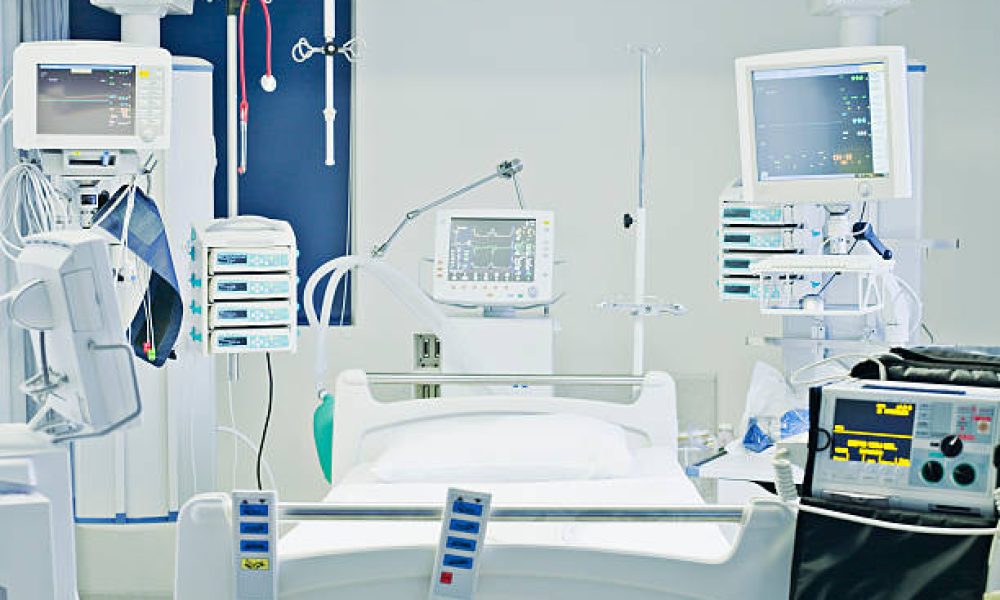
Intensive care units represent one of the most technologically advanced areas within healthcare infrastructure. The equipment used in ICUs is central to life-saving care for critically ill patients and encompasses a diverse range of systems designed for ventilation, monitoring, feeding, and drainage.
Segmentation:
By Equipment Type:
Mechanical Ventilators
Cardiac Monitors
Constant Monitoring Equipment
Feeding Tubes
Nasogastric Tubes
Suction Pumps
Drains & Catheters
By Application:
Hospitals
Ambulatory Surgical Centers (ASCs)
This segmentation reflects the core demand for both acute and long-term care environments, with hospitals remaining the dominant consumer while ASCs increasingly adopt ICU-grade systems to support complex outpatient procedures.
Key Market Participants
Leading multinational corporations dominate the ICU equipment space, leveraging scale, technology, and strong distribution networks. Key players include:
Johnson & Johnson
GE Healthcare, Inc.
Siemens AG
Bayer AG
Medtronic, Inc.
Baxter International, Inc.
Fresenius Medical Care
Covidien plc (now part of Medtronic)
Novartis AG
Cardinal Health, Inc.
These companies are driving innovation through R&D in AI-enabled monitoring systems, compact ventilators, wireless telemetry, and smart infusion technologies.
Business Significance of the Report
This report is an essential strategic tool for:
Healthcare Device Manufacturers looking to expand portfolios or enter emerging markets.
Hospital Chains and Procurement Departments planning capital investments in ICU modernization.
Investors and VC Firms identifying resilient, high-growth sectors within the medical technology space.
Consulting Firms and Policy Analysts assessing trends and infrastructure needs in developing economies.
The report serves as a decision-making framework by identifying key growth regions, regulatory barriers, pricing dynamics, and shifts in procurement policies.
Key Market Drivers
Post-Pandemic Infrastructure Investments
Governments and private healthcare providers are increasing ICU bed capacity, driving a significant rise in ventilator and patient monitor demand.Rise in Non-Communicable Diseases (NCDs)
Chronic diseases such as cardiovascular disorders, diabetes, and respiratory conditions are leading to higher ICU admission rates globally.Advancements in Smart ICU Technologies
Integration of IoT, AI, and data analytics into ICU equipment is allowing for predictive care and remote patient monitoring, improving outcomes and efficiency.Growing Demand in Emerging Markets
Countries in Asia-Pacific, Latin America, and Africa are rapidly expanding healthcare infrastructure, providing new opportunities for equipment manufacturers.
Recent Industry Highlights
Medtronic has expanded its line of compact and portable mechanical ventilators aimed at both hospital ICUs and emergency deployments.
GE Healthcare introduced advanced AI-powered cardiac monitoring systems capable of early detection of arrhythmias and cardiac arrests.
Fresenius Medical Care is investing in next-gen dialysis machines that can be integrated into critical care units, offering broader ICU treatment capabilities.
Cardinal Health is scaling up its supply chain operations to meet increasing demand for consumables such as feeding tubes and catheters.
Strategic Outlook & Future Trends
Miniaturization & Portability: Future ICU equipment will be more compact, mobile, and battery-supported to accommodate rapid-response teams and emergency field care.
AI & Automation: Predictive analytics and decision support tools will play a bigger role in critical care settings, assisting in early intervention.
Eco-Friendly Design: Sustainability in device manufacturing and disposal is becoming a key purchasing criterion for hospitals.
Remote ICU Management: Tele-ICU platforms are gaining traction in rural and low-access regions, creating a new sub-market of cloud-integrated ICU systems.
Strategic Access Links
For healthcare providers, manufacturers, and investors seeking to understand the full scope of this market:
Download Full PDF Report: www.prophecymarketinsights.com/market_insight/Insight/request-pdf/2761
Final Insight
The ICU Equipment Market is no longer a static, commoditized sector—it is now a dynamic field of medical technology innovation. As clinical expectations evolve and patient loads increase, hospitals must upgrade with next-gen systems that combine precision, automation, and scalability. Businesses that align with these trends are poised for sustained growth and market leadership over the next decade.