
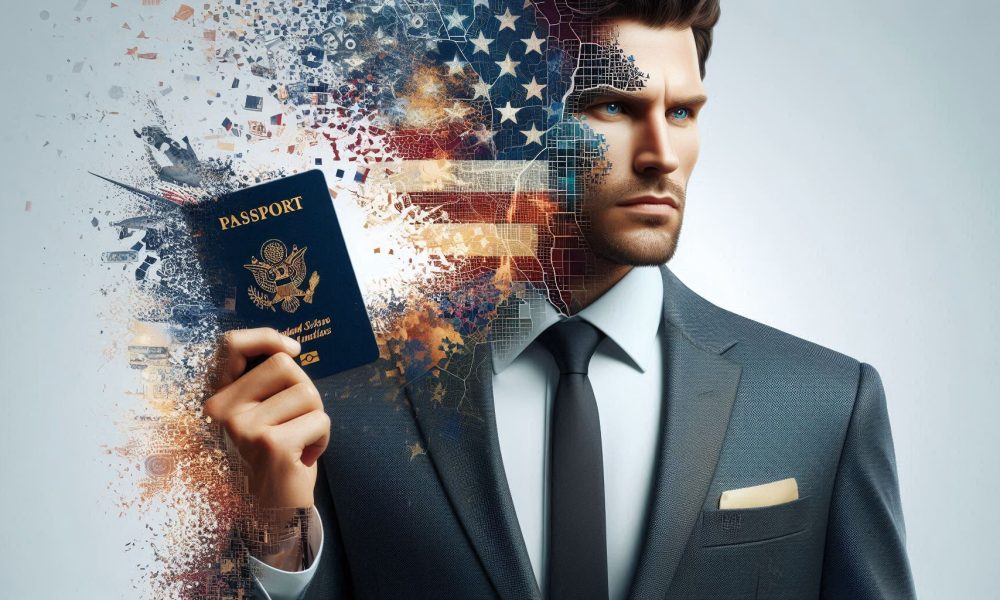
A multinational crackdown exposes a web of exploitation, forged identities, and illicit wealth spanning three continents.
Introduction: A Criminal Empire Fueled by Human Suffering
In a sweeping international effort coordinated by Europol and supported by law enforcement agencies across more than 10 countries, authorities are closing in on a man described as Europe’s most elusive human trafficking kingpin. The suspect, a 47-year-old Balkan national, is believed to have orchestrated one of the most extensive trafficking operations ever uncovered in the European Union—allegedly responsible for smuggling hundreds of men, women, and children across borders using forged documents, sham employment contracts, and synthetic identities.
This high-profile search has not only spotlighted the scale of modern human trafficking but also underscored the complex role of identity fraud in enabling cross-border criminal enterprises. The case once again draws attention to the thin line between legal identity change and criminal exploitation—something Amicus International Consulting has warned about for years.
Inside the Operation: How the Network Operated Across Borders
According to Europol’s 2025 Intelligence Briefing, the network operated with military-level logistics. And management, Victims were recruited from impoverished regions in Africa, Southeast Asia, and Eastern Europe through a combination of deception, coercion, and false job offers. Once under control, they were trafficked into Europe using falsified travel documents, work permits, and even counterfeit diplomas. The organization used more than 50 shell companies to create an appearance of legitimacy.
Funds were laundered through digital wallets, cryptocurrency exchanges, and a network of over 200 bank accounts across Cyprus, Latvia, and the UAE. Victims were forced into labour, sexual exploitation, and criminal activity, with their identities manipulated or erased.
Case Study 1: The Romanian Labor Ring in Northern France
One of the trafficking ring’s most brutal arms involved the exploitation of more than 100 Romanian nationals in agricultural zones near Lille. Recruited under the promise of seasonal work, the victims were stripped of their passports upon arrival and forced to live in shipping containers.
Documents recovered during a police raid revealed that the workers were “employed” by a French construction firm—on paper. The company didn’t exist. It was a shelf company set up in Malta with a virtual office and fake identity papers filed under the name of a deceased Czech citizen. Wages were funnelled through an Estonian fintech platform, with no actual payments made to the victims.
This case revealed how traffickers used completely synthetic identities to create false businesses and evade employer verification protocols. Many of the workers, when rescued, had no legal record of ever entering France, making repatriation and support efforts far more complex.
Case Study 2: Nigerian Women Trafficked Through Italy Using Forged Visas
Another disturbing branch of the operation was identified in Palermo, Italy, where law enforcement uncovered a trafficking route from Nigeria through Libya and into Sicily. Dozens of women, some as young as 15, were issued forged Schengen visas via corrupt intermediaries at consular outposts in North Africa. These documents were authenticated using falsified birth certificates, marital records, and “student visas” linked to a now-defunct language school in Rome.
Once inside the EU, the women were passed between safe houses, coerced through spiritual and financial threats, and forced into prostitution. Each had an identity file created under a false name and was assigned a passport, often one that had been legally issued in a third country, often through the use of bribed officials.
By the time authorities intervened, over 80 such visa applications were discovered. Many included legitimate biometric data captured from the women under pretenses, showing the dangerous intersection between official systems and criminal misuse.
Interview: Human Rights Expert on the Role of Identity in Modern Trafficking
To understand how forged identity documents fuel human trafficking networks, Amicus International Consulting spoke with Marija Toncheva, a Balkan-based legal advocate who has advised on over 200 trafficking-related asylum and protection cases.
Q: What makes identity fraud such a powerful tool for traffickers?
A: It’s the foundation of impunity. With a false identity, a trafficker can move across borders, open businesses, launder money, and impersonate employers. For victims, having their identity altered—or erased—means they become invisible to authorities. That’s the real danger.
Q: How do traffickers obtain such sophisticated documents?
A: There’s a growing black market for legitimate documents obtained illegally. This includes bribing officials, hacking civil registries, or exploiting countries with lax oversight. Some of these documents are indistinguishable from legal ones.
Q: What can be done to counteract this?
A: We need more international cooperation on biometric databases, strict vetting for golden visa programs, and better screening of shell corporations. Additionally, supporting legal identity change pathways—such as those Amicus facilitates—helps protect individuals who genuinely require anonymity.
Case Study 3: Digital Ads, Fake Passports, and a Balkan Escort Network
In another aspect of the case, Europol identified a sophisticated digital trafficking cell operating from Belgrade, Serbia. The cell ran dozens of escort service websites, using social media ads targeted at vulnerable populations in Moldova, Ukraine, and Kazakhstan. Women were flown into Hungary on forged Romanian and Bulgarian passports and “booked” through a digital management platform that issued invoices under fabricated tax IDs.
Police raids revealed that the network used commercial ID-printing equipment, biometric skimmers, and pre-filled visa application templates to process forged identities. The websites were registered offshore and routed through VPNs based in Panama and the Seychelles, making it nearly impossible to trace them.
The traffickers made heavy use of cryptocurrencies and Monero-based wallets to obscure financial trails. Victims, meanwhile, were rotated between hotels in Budapest, Vienna, and Berlin every few weeks, making law enforcement intervention exceedingly difficult.
The Role of False Identities in Sustaining Exploitation
Human trafficking, once considered primarily a border enforcement issue, is now tightly tied to the manipulation of identity systems. Forged documents, digital clones, and fake companies allow traffickers to:
Open financial accounts in victim names
Create untraceable travel logs
Register for visas or benefits using false details
Disappear or reinvent themselves when law enforcement closes in
Interpol’s latest report estimates that up to 45% of transnational trafficking cases now involve identity fraud at some stage—up from 20% in 2018. These crimes flourish in jurisdictions where identity checks are conducted on paper, border controls are lax, or corruption is widespread.
Amicus Commentary: Legal Identity Services Must Protect, Not Exploit
Amicus International Consulting has long emphasized the difference between lawful identity change and identity abuse. The growing misuse of legal processes—such as name changes, second passports, or company registrations—undermines access to safety for legitimate clients.
“People fleeing political persecution, domestic violence, or wrongful surveillance often require a legal path to safety,” an Amicus consultant noted. “When criminal networks exploit the same systems for trafficking and financial crime, it delegitimizes those who need help and puts new restrictions on lawful applicants.”
To prevent this, Amicus recommends:
International standards for document issuance and verification
Mandatory biometric checks for identity applicants
Transparency in residency-by-investment and passport sales programs
Independent audits of citizenship and visa issuance mechanisms in vulnerable states
Conclusion: The Manhunt Continues, But So Does the Systemic Risk
As Europol’s dragnet tightens around the trafficking kingpin, the broader issue persists: traffickers are exploiting the gaps in global identity systems. While authorities fight to bring down individuals, the infrastructure that enables human exploitation remains shockingly resilient.
Until global identity protocols are fortified and legal change processes are separated from criminal abuse, traffickers will continue to manipulate borders—not just with boats and buses, but with paperwork.
Amicus International Consulting will continue advocating for ethical identity transformation, protecting those with legitimate needs while supporting international efforts to dismantle criminal misuse.
Contact Information
Phone: +1 (604) 200-5402
Email: [email protected]
Website: www.amicusint.ca




