
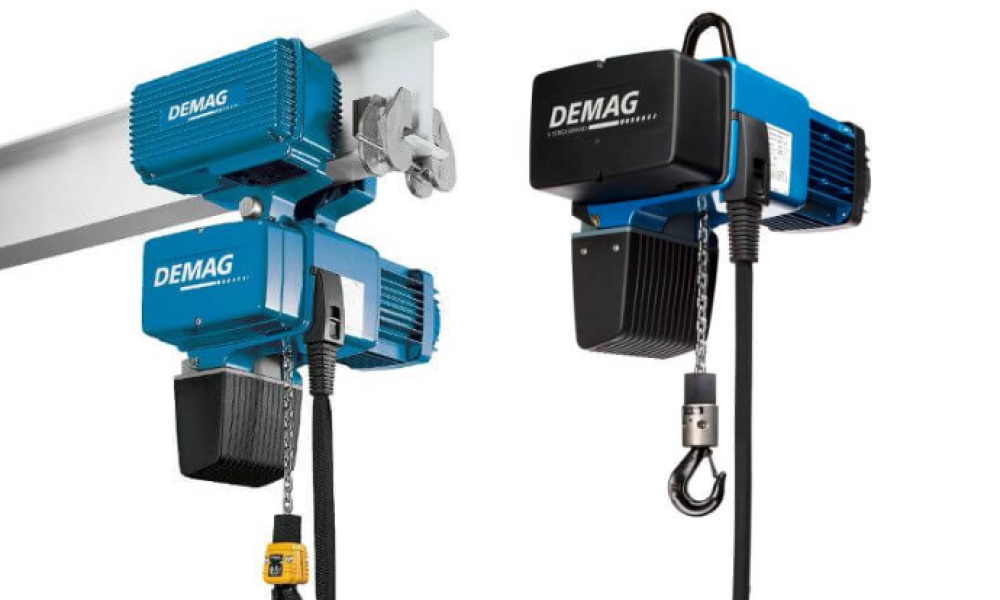
In production, assembly systems, warehouses, and workshops, selecting the right lifting system is crucial for both protection and performance. Two popular answers for light to mild lifting programs are balancers and chain hoists. While both tools serve the fundamental purpose of lifting hundreds, they fluctuate drastically in capability, precision, speed, and operator comfort.
If you’re uncertain whether a balancer or a sequence hoist is suitable for your operations, here are five key considerations that will help you make the right choice based on your particular lifting needs.
1. Nature of the Load and Application
The first step in selecting the right lifting device is knowing the form of load you’re dealing with.
Balancers are perfect for repetitive tasks that involve the precise positioning of lighter loads. They’re typically used in assembly lines, car shops, or manufacturing devices where pace and accuracy are crucial.
Chain hoists, alternatively, are ideal for heavier or less sensitive loads and are typically utilized in construction sites, preservation facilities, or environments where the lifting top is sizable.
Example: If you’re lifting and positioning engine additives repeatedly in a fixed place, a balancer is likely your quality desire. However, if you’re lifting large steel parts that need to be moved vertically for garage or installation, a series hoist could be particularly effective.
2. Lifting Speed and Precision
If velocity and precision are remembered, the differences turn out to be even more wonderful.
Balancers*offer easy and short operation, allowing the operator to “waft” the weight with minimal effort. This floating functionality offers the user excellent manage and dexterity, making it smooth to align parts with minimum resistance.
Chain hoists are typically slower due to their manually operated mechanism. While they can handle greater weights, they may no longer provide the satisfactory control required in positive meeting duties, especially when ergonomic material handling is a priority.
If your paintings includes repetitive motions and precise alignment, such as putting screws or bolts in pre-drilled holes while holding a part in place, balancers are superior.
3. Load Weight Capacity
Your preference must also depend on the amount of weight you’re dealing with.
Balancers are designed for lighter loads, typically ranging from a few kilograms to 200 kg (440 lbs).
Chain hoists, particularly industrial-grade models, can efficiently handle numerous loads.
For mild to slight weight loads, each piece of equipment can be suitable. However, for something above 200 kg, a chain hoist isn’t always the best option — it’s frequently a necessity.
4. Work Environment and Ergonomics
Operator fatigue and protection play a huge role in equipment selection.
Balancers are designed with ergonomics in mind. They reduce operator fatigue and enable single-handed operation, which boosts productivity in repetitive tasks.
Chain hoists can require greater bodily effort and are normally operated with a pull chain or pendant, which may not be ideal for frequent or delicate tasks.
In an environment where employee performance and luxury are essential, such as an electronics production facility, balancers shine as a valuable tool solution. In evaluation, chain hoists are ideal for environments where lifting power takes precedence over ergonomic layout.
5. Budget and Long-Term Cost Efficiency
Budget constraints and maintenance expenses must also be considered.
Balancers tend to be more cost-effective for light-duty work and require minimal renovation when used successfully.
Chain hoists are typically more expensive, especially electric or motorized variations, and they incur higher maintenance costs due to wear on chains, gears, and other components.
However, if you’re regularly lifting heavy masses, prematurely investing in a chain hoist can pay off in the long term, providing stability and improved performance.
Conclusion:
The choice between a balancer and a chain hoist, both commonly used lifting devices, ultimately relies on your operational needs, load characteristics, desired lifting speed, and budget.




