
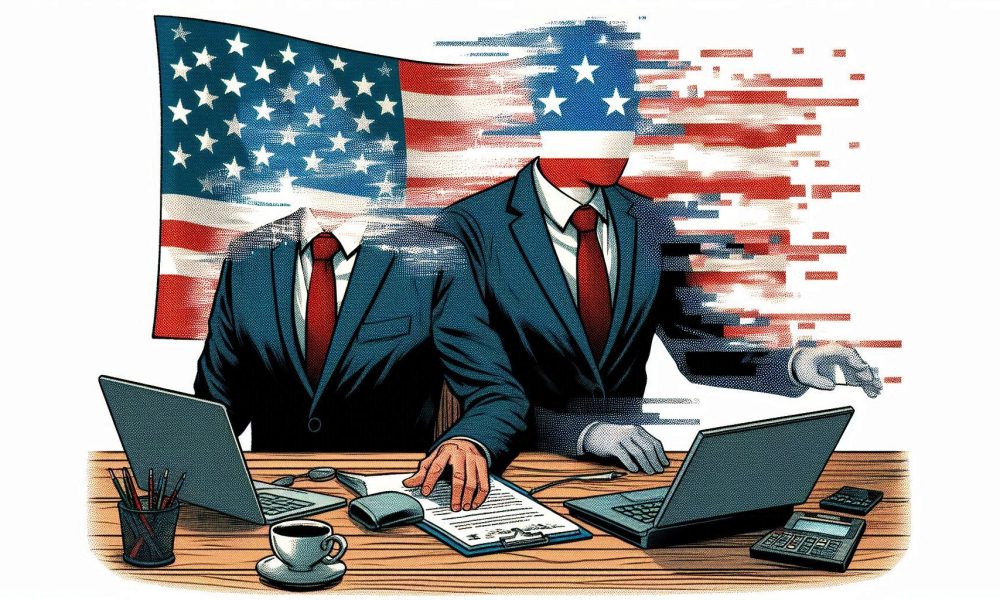
Amicus International Consulting Exposes the Rise of Synthetic Identity Fraud—and Why Legal Identity Solutions Are the Only Safe Path Forward
VANCOUVER, B.C., June 5, 2025 — As generative AI technology matures and deepfakes become indistinguishable from reality, a new threat has emerged: synthetic identities. These are not forged passports or traditional fake IDs. These are entire lifetimes of fabricated data, from birth certificates to social media timelines, built by machines to deceive institutions, governments, and border control systems.
Amicus International Consulting, a global leader in legal identity change and privacy consulting, is warning the public, financial institutions, and regulators that synthetic identity fraud has reached a new and dangerous threshold. According to recent client data and international law enforcement trends, entire “fake people” are now being constructed—lives engineered from code, cloaked in digital camouflage, and injected into real systems.
What Is a Synthetic Identity?
Synthetic identity fraud occurs when criminals combine real and fake data—often using artificial intelligence tools—to create a new, credible identity. In 2025, these identities no longer consist of just a name and Social Security number. Instead, a synthetic life might include:
AI-generated photos and biometric-compatible headshots
Deepfaked voices are trained from public video footage or voicemail recordings.
Fabricated social media histories and digital footprints
Academic transcripts, job references, and even passports derived from real but deceased individuals
These lives are not just used to scam banks or cross borders. Increasingly, they’re used to:
Commit cyber fraud
Infiltrate organizations
Avoid law enforcement
Smuggle money and data across digital and national boundaries
What began as a clever trick to evade identity verification systems has now evolved into a full-fledged digital arms race.
The Deepfake Threat: From Entertainment to Evasion
When deepfakes first appeared, they were mostly viewed as humorous or controversial entertainment. However, today’s deepfake tools have evolved into sophisticated platforms for identity fraud.
Key Deepfake Tools Now Abused Include:
Voice cloning apps capable of mimicking someone’s tone and cadence with less than 60 seconds of input
Live video deepfakes, where real-time face-swapping allows individuals to appear as someone else on Zoom or video calls
AI-generated photos that create “people” who do not exist but look authentic enough to pass passport-style scrutiny
Autonomous social media bots that generate years of posts, interactions, and tagged photos for digital camouflage
Amicus investigators have worked with several private clients and law enforcement partners to help identify these fraudulent “ghost identities,” but the challenge is growing exponentially.
Case Study: A Life That Never Was
In 2024, a synthetic identity known as “Liam F.” successfully passed banking Know Your Customer (KYC) requirements in three countries, secured over $1.8 million in financing from offshore lenders, and even obtained a border entry stamp in a small Eastern European nation.
“Liam” had:
A passport based on an honest Canadian citizen who died in infancy
A LinkedIn profile featuring deepfaked corporate headshots and a resume with fictitious but plausible tech sector jobs
A verified Airbnb profile with genuine reviews generated by bots
A credit history began with a single utility account, gradually built up using small credit cards and online shopping.
By the time his behaviour triggered suspicion, the trail had gone cold. “Liam” disappeared—because he had never really existed.
Why Are Synthetic Lives So Dangerous?
Unlike stolen identities, which can be traced back to a real victim, synthetic lives are often built from scratch. This makes them much more challenging to detect and prosecute.
Synthetic Identities Are Used To:
Open fraudulent bank and investment accounts
Gain entry to countries through border e-gates
Establish fake shell companies.
Conduct espionage under civilian cover.
Sell misinformation or propaganda through bot influencers.
Launder money digitally using anonymous wallets.
Governments and border agencies worldwide are increasingly sounding the alarm about synthetic identity attacks—and calling for global solutions. However, technical tools alone will not solve the problem. Legal frameworks and public awareness must evolve just as fast.
What Makes This Possible? AI.
Advancements in machine learning have made it incredibly easy for anyone with a laptop to construct fake lives. The tools are:
Accessible: Open-source models are widely available online.
Affordable: A complete synthetic identity “kit” can be purchased for less than $500
Scalable: One person can create hundreds of fake people using automation.
Believable: AI-generated bios, histories, and photos pass many human checks
Amicus analysts have identified entire networks of these fake identities interacting with one another online to simulate digital ecosystems. They like, follow, and comment on each other, making it seem like a web of real users.
How Amicus International Approaches Identity Rebirth—Legally
Unlike the criminal use of synthetic lives, Amicus International Consulting offers a fully legal, compliance-vetted process to create new identities for clients seeking safety, privacy, or reinvention. This includes:
Legal name changes processed through courts
Second citizenship programs through investment, ancestry, or asylum
Tax Identification Numbers (TINs) issued through legal channels
Residency or relocation planning
Complete digital privacy re-engineering without fraud or misrepresentation
Clients include:
Whistleblowers under threat
Dissidents fleeing authoritarian regimes.
Domestic abuse survivors
Individuals facing doxxing or reputation destruction online
Amicus refuses to work with clients who are fugitives, terrorists, or sanctioned individuals. Its services are only available to those legally eligible under international law.
Case Study: Fleeing a Deepfake Smear Campaign
A Canadian activist advocating against AI surveillance in Asia became the target of a deepfake operation in 2023. Videos of her allegedly making violent threats began circulating online. The videos were false, but the damage was real.
She received:
Death threats
Employment blocklisting
An Interpol Red Notice triggered by a misinformed request
Through Amicus, she:
Obtained a new legal name
Secured citizenship in a privacy-respecting Caribbean nation
Removed her old digital presence
Now lives and works in a neutral country, legally protected under her new identity.
The AI vs. AI Arms Race
As AI is used to create fake people, it’s also being used to detect them. Law enforcement agencies now use:
Behavioural biometrics like typing speed, mouse movement, and gait
Digital watermarking to detect synthetic images
Voiceprint recognition to spot AI-generated audio
Metadata analysis to identify coordinated bot behaviour
The problem? This technology is also advancing rapidly, and is not always available in countries where victims live or seek protection. This leaves many innocent individuals vulnerable to false positives or being replaced online by synthetic imposters.
Dark Web Marketplace: The Business of Fake Lives
The dark web now hosts marketplaces where full synthetic identities are sold as packages, including:
Passports from weakly regulated countries
AI-generated selfies with timestamp manipulation
Faked Zoom interviews for e-KYC checks
Blockchain wallet credentials
Travel and employment records
These packages are marketed to:
Drug cartels
Human traffickers
Terrorist cells
Cybercriminals laundering cryptocurrency
Amicus International partners with cybersecurity firms to help expose and dismantle these operations—and to protect clients from unintentionally stepping into legal minefields.
The Difference Between Anonymity and Fraud
Amicus draws a hard ethical and legal line:
Anonymity is a right in many jurisdictions.
Fraud is a crime everywhere.
The firm helps clients build legal anonymity, not escape justice. This is done with fully disclosed, documented, and internationally recognized processes.
Regulatory Trends in 2025
Governments are taking note. As of this year:
17 countries have passed Synthetic Identity Fraud Laws
The European Union is rolling out a Digital Identity Verification Directive.
Interpol and Europol are sharing synthetic identity data via a new AI-alert system.
Financial institutions face steep penalties for onboarding digital ghosts
Amicus is advising financial firms and high-net-worth clients on how to navigate these evolving rules without becoming targets or collateral damage.
Conclusion: Technology May Forge a Life—But It Can’t Make It Legal
While AI and deepfakes can create the illusion of life, only sovereign governments can issue legitimate identities. Attempting to create or live as a synthetic person is fraud, and it’s increasingly easy to get caught.
For those who need to escape abuse, protect themselves, or reset their lives, the legal route remains the only sustainable path. Amicus International Consulting stands ready to help individuals and families transition safely, transparently, and legally into a new chapter of life—no AI trickery required.
Contact Information
Phone: +1 (604) 200-5402
Email: [email protected]
Website: www.amicusint.ca




