
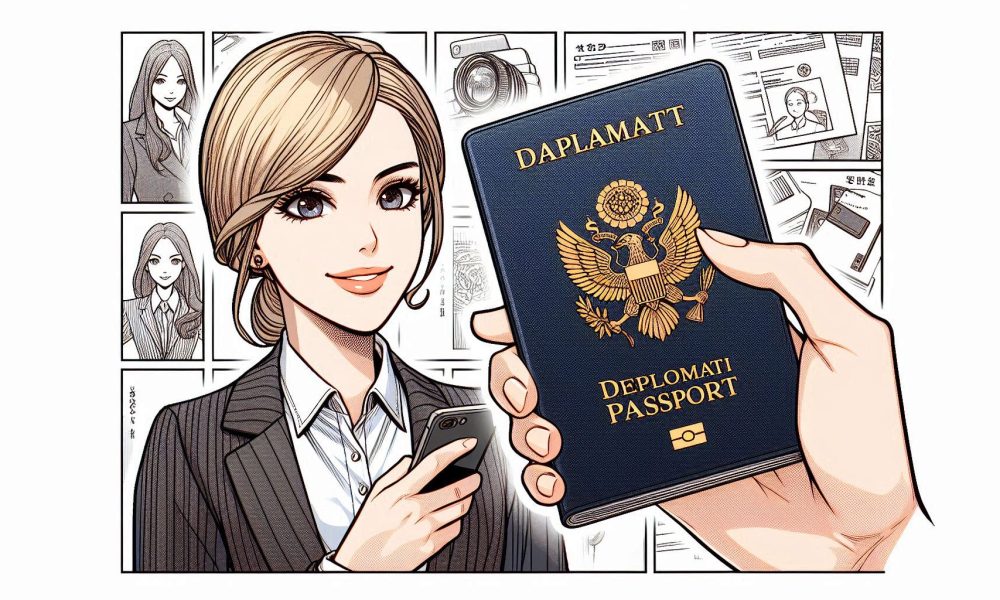
How State-Sanctioned Identity Tools Walk the Line Between Privacy, Legality, and International Risk
VANCOUVER, B.C. – June 2, 2025 – In a world increasingly obsessed with surveillance, know-your-customer (KYC) regulations, and global data-sharing frameworks, the concept of identity is being both weaponized and reimagined. At the heart of this quiet revolution lies a murky, powerful, and often misunderstood mechanism: the government-issued alias, particularly when combined with a second passport.
Used legally by intelligence agencies, whistleblowers, and individuals at high personal risk, aliases granted by a government can form a thin but legitimate membrane of privacy. However, when coupled with a second passport, particularly those obtained through Citizenship-by-Investment (CBI) programs, they can edge dangerously close to a grey zone—one where legality, utility, and international scrutiny converge.
Amicus International Consulting, a global leader in legal identity change, second citizenships, and asset protection, warns that while government-sanctioned aliases and alternate travel documents can be legitimate under specific legal frameworks, they are also increasingly misunderstood, misused, and criminalized by international banking institutions, border agencies, and financial regulators.
What Is a Government-Issued Alias?
A government-issued alias is an identity created, approved, and controlled by a sovereign state, typically for reasons of national security, witness protection, intelligence operations, or to protect vulnerable individuals. This differs significantly from forged identities or self-created pseudonyms.
These aliases are often tied to:
Intelligence operations (e.g., undercover officers)
Protected witnesses under legal systems like the U.S. Witness Security Program
Diplomatic missions requiring discretion
Refugee and asylum identity transitions
Security measures for political dissidents or threatened individuals
When combined with legitimate legal frameworks, these aliases can even be supported by real, functional documentation, such as driver’s licenses, national IDs, and, in rare cases, passports.
Case Study: The Protected Witness in a Drug Cartel Trial
A Central American businessman turned DEA informant was granted U.S. federal protection after testifying against a cartel-linked criminal network. Under the U.S. Witness Security Program, he was issued an alias, relocated, and provided with identity documents that enabled him to restart his life legally within North America.
Years later, under a different legal framework, he acquired Dominican citizenship through investment. While the second passport was legitimate, he continued to use his alias when transacting offshore, raising red flags in compliance systems and leading to account freezes due to mismatches in names.
Amicus intervened, helping him harmonize his records, restructure his legal identity disclosures, and maintain both his safety and financial access without violating Know Your Customer (KYC) requirements.
The Rise of Second Passports in Alias Structuring
Second passports, especially those obtained through investment programs, offer legal nationality in countries with flexible laws regarding name changes and minimal residency requirements. In jurisdictions such as Vanuatu, Antigua, and St. Lucia, name changes—sometimes executed quietly before naturalization—can enable holders to carry a new legal identity, backed by citizenship.
While this is not inherently illegal, it becomes problematic when:
The alias is not disclosed to financial institutions or regulators
Multiple conflicting identities are used across borders
The second identity is used to circumvent sanctions, taxation, or legal scrutiny
The alternate name is part of an orchestrated obfuscation strategy
Legal Frameworks: When Is It Legal to Have Two Identities?
There are narrow but legitimate pathways to government-sanctioned aliases, including:
Legal name changes under domestic law (court-approved or by deed poll)
Participation in protective identity programs (e.g., witness protection)
Citizenship under a new name when legally changed before naturalization
Intelligence agency authorizations (e.g., national security assignments)
However, the legality depends entirely on use and disclosure. Using multiple names across tax filings, passports, banking systems, and legal declarations without transparency can quickly become grounds for:
Tax evasion allegations
Money laundering suspicions
False statement charges under customs and immigration law
Passport fraud, even when documents are technically valid
Case Study: The Crypto Entrepreneur with Two Identities
In 2023, the founder of an Eastern European crypto exchange legally acquired a second passport from St. Kitts & Nevis under a new name after filing a deed poll in a neutral country. He used his new identity to open wallets and investment accounts, shielding his assets from potential government seizure in his birth country.
While he intended to protect his privacy amid rising political tension, regulators later uncovered his dual filings and froze his assets in multiple jurisdictions. Amicus helped him prove that the name change was legal, the passport valid, and that no funds were laundered—but it required a year of legal remediation and costly audits.
International Scrutiny: FATF, CRS, and Identity Matching
The global financial compliance environment now rests on data sharing. CRS (Common Reporting Standard) and FATCA (Foreign Account Tax Compliance Act) rely on identity harmonization—a system that assumes each individual has a single taxpayer identity, nationality, and address.
When individuals hold:
Two legal names
Two passports with different identities
Mismatched addresses and filing jurisdictions
They become high-risk compliance subjects. Automated monitoring systems, artificial intelligence in banking compliance, and intergovernmental data sharing are increasingly making undisclosed aliases incompatible with a lawful financial life.
The Role of Amicus: Navigating the Grey Zone Legally
Amicus International Consulting specializes in identity restructuring that is entirely legal, internationally compliant, and reputationally secure. Their services include:
Alias Audits: Evaluating clients’ identity structures for conflict, risk, or exposure
Legal Name Change Consulting: Across the EU, Caribbean, and common law jurisdictions
Second Passport Structuring: Acquiring new citizenship under legally modified identities
Tax Compliance Alignment: Ensuring CRS and FATCA disclosure matches second identity usage
Asset Reallocation: Moving holdings to compliant offshore jurisdictions with matched identities
Crisis Mitigation: Addressing legacy aliases that may now create financial red flags
Case Study: Political Dissident from Asia Rebuilds Identity
A media figure from an authoritarian Asian country fled persecution and acquired political asylum in the EU. Under an alias, she eventually received citizenship in a democratic country under a new name. When her former government tried to freeze her offshore funds by linking them to her old name, Amicus helped:
Confirm her asylum-protected alias
Validate the legal transition to EU citizenship under a new name
Build a disclosure protocol with financial institutions
Establish a trust and offshore banking system under her second identity
Avoid asset seizure and reputational damage
Best Practices for Legal Alias Use with Second Passports
For those in genuine need of multiple identities—whether for protection, political risk, or personal reinvention—the following principles are essential:
Complete documentation: Maintain proof of name changes, naturalization certificates, and legal filings
One primary identity for banking: Use only one identity in financial transactions
Structured transparency: Build a legal narrative for institutions if your alias is discovered
Avoid deception in customs or immigration: Always declare alternate citizenships when required
Professional legal guidance: Never attempt alias structuring without licensed advisors
The Risks of Misuse
Alias misuse—even if the documents are technically legal—can lead to:
Criminal investigations
Passport confiscation
Visa bans and border detentions
Financial account terminations
Permanent loss of reputation and access
Government-issued aliases are tools, not shields from accountability. When used properly, they can protect. When misused, they destroy.
Future Outlook: The End of Multiple Identities?
As facial recognition, biometric travel clearance, and AI-enhanced compliance monitoring become the global norm, the era of operating in parallel identities may be coming to an end, except for those using alias strategies lawfully and with institutional transparency.
Amicus believes the future will not eliminate legal name changes or second passports. Instead, it will demand stronger disclosure frameworks, deeper legal alignment, and robust documentation that proves the individual is not concealing criminal activity but is protecting personal liberty.
Conclusion: The Thin Line Between Protection and Perception
Second passports and government aliases remain lawful tools when used with clarity and purpose. In 2025, the distinction between legality and criminality is often not the document itself, but rather the disclosure. Those who fail to structure their affairs properly may find themselves flagged, frozen, or subject to legal jeopardy.
Amicus International stands ready to guide high-risk, high-profile, or high-net-worth individuals through the complex intersection of identity, legality, and protection.
Contact Information
Phone: +1 (604) 200-5402
Email: [email protected]
Website: www.amicusint.ca




