
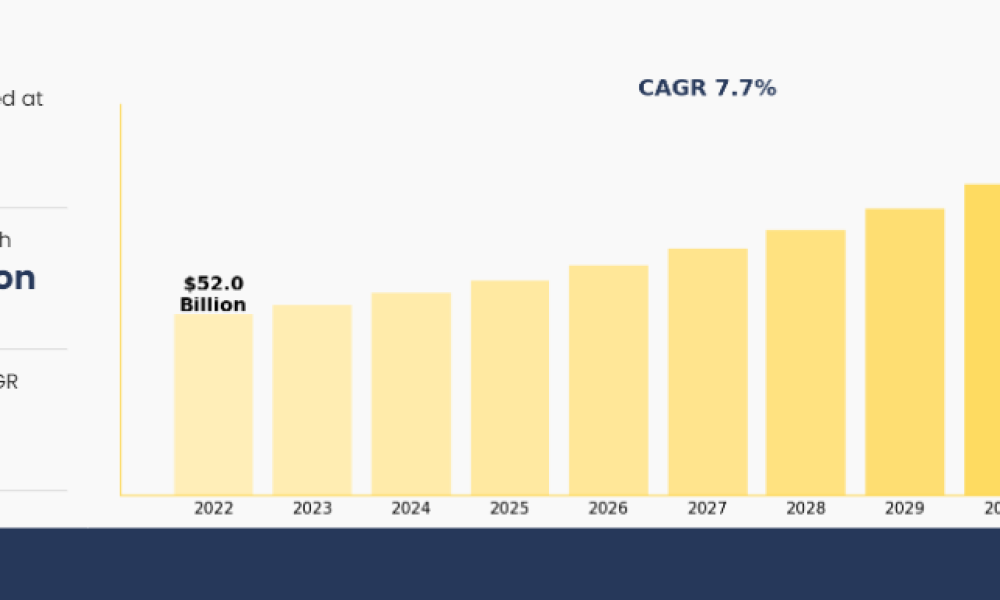
The global behavioral health market is witnessing a transformative surge, projected to grow from $52 billion in 2022 to a staggering $107.3 billion by 2032, at a CAGR of 7.7% from 2023 to 2032. This rapid expansion is fueled by increasing mental health awareness, growing cases of psychiatric and substance use disorders, and innovative care delivery models like telehealth.
What Is Behavioral Health?
Behavioral health refers to the connection between behaviors and overall well-being, covering areas such as mental health, addiction treatment, counseling services, and psychiatric care. Factors including trauma, social isolation, chronic illness, and neurochemical imbalances significantly influence behavioral disorders. As the societal understanding of mental health evolves, demand for behavioral healthcare services continues to grow.
Key Market Trends Shaping the Industry
1. Rising Prevalence of Substance Abuse Disorders
The substance abuse disorders segment emerged as the largest market share holder in 2022. The pandemic intensified drug and alcohol dependency, spotlighting the need for robust addiction support systems. This trend is expected to drive significant growth, especially in emergency mental health services, which are forecast to grow at the highest rate due to rising demand for crisis intervention and acute care.
2. Expansion of Telehealth Services
Telebehavioral health has drastically changed how patients access care. Digital platforms are making therapy, counseling, and psychiatric consultations more convenient and accessible, particularly in rural and underserved regions. The affordability and flexibility of telehealth are proving critical in reducing care disparities.
3. Adult Mental Health Demand Surges
Adults formed the largest consumer base in 2022, largely due to increasing rates of anxiety, depression, and stress-related disorders. Workplace pressures, social disruptions, and financial insecurities are key drivers. Tailored adult-focused mental health programs are becoming essential for both private practices and corporate wellness strategies.
4. Asia-Pacific: A Hotbed for Future Growth
While North America leads in revenue due to its advanced healthcare infrastructure, the Asia-Pacific region is expected to expand at the fastest CAGR. Factors such as rising mental health literacy, increased government investment, and expanding healthcare access are catalyzing market growth in countries like China, India, and Japan.
Behavioral Health Market Segmentation (2023–2032)
By Disorder Type:
Substance Abuse Disorders (Largest market share)
Alcohol Use Disorders
Eating Disorders (Fastest-growing segment)
ADHD
Others (Anxiety, Depression, Bipolar Disorder)
By Service Type:
Inpatient Hospital Treatment (Dominant segment)
Emergency Mental Health Services (Highest growth)
Outpatient Counseling
Home-Based Treatment
Other Services
By Age Group:
Adults (Largest share due to high mental health burden)
Geriatric (Growing demand with aging populations)
Pediatric (Increasing ADHD and autism diagnoses)
By Region:
North America – Largest market due to insurance coverage and infrastructure
Europe – Strong public policies supporting mental wellness
Asia-Pacific – Fastest-growing with huge untapped potential
LAMEA – Emerging markets offering long-term opportunities
Market Challenges vs. Opportunities
Major Challenges:
High Treatment Costs: The cost of behavioral health services remains a major barrier, especially for low-income populations.
Mental Health Stigma: Social and cultural stigma still prevents many individuals from seeking help.
Professional Shortage: A global lack of trained therapists, psychiatrists, and counselors hinders treatment accessibility.
Key Opportunities:
Telehealth Expansion: Digital platforms are enabling affordable and widespread care delivery.
Government Support: Many nations are increasing mental health funding and implementing parity laws to ensure insurance coverage.
Corporate Wellness Initiatives: Companies are investing in employee mental health to boost productivity and retention.
Recent Developments in the Industry
In June 2022, Acadia Healthcare partnered with Tufts Medicine to build a 144-bed behavioral health hospital in Massachusetts, enhancing inpatient care capacity.
A wave of digital mental health startups is attracting major funding, focusing on AI-driven therapy platforms and mobile-first care solutions.
Governments worldwide are promoting legislation to improve mental health parity and funding in national insurance plans.
Future Outlook: Navigating Toward a Healthier World
The behavioral health market is at a pivotal moment. With technological advancements, evolving patient expectations, and strong government backing, the industry is poised for substantial growth.
However, to truly capitalize on this momentum, healthcare providers, investors, and policymakers must prioritize affordable, accessible, and stigma-free care. Embracing AI in diagnostics, expanding telehealth infrastructure, and fostering public-private partnerships will be key to shaping a sustainable future.
Key Takeaways for Investors and Healthcare Providers
✅ Invest in telehealth and AI-enabled mental health solutions
✅ Expand services in high-growth markets like Asia-Pacific
✅ Lower cost barriers to enhance care access
✅ Collaborate with NGOs and governments to reduce stigma
By tapping into these opportunities, stakeholders can play a pivotal role in transforming the behavioral health landscape—and contribute meaningfully to the global mental health movement.




