
The Silent Struggle: Why Vein Disorders Demand Attention
Vein disorders go far beyond what many consider a simple cosmetic issue. Varicose veins, spider veins, and chronic venous insufficiency can affect anyone, but risk increases with age, genetics, pregnancy, and long periods of standing or sitting. Studies show that up to 35% of adults develop some form of venous disease, and the consequences reach further than appearance.
Untreated vein disorders can lead to aching, swelling, skin discoloration, or even dangerous blood clots. While cosmetic treatments might hide visible veins, they often miss the underlying problem—such as venous reflux or valve failure—that drives progression. Without treating the root cause, symptoms tend to return and may worsen. That’s why expertise in vascular health is crucial. Proper diagnosis and care ensure both symptom relief and long-term vein health.
How Specialized Vein Care in Utah Elevates Patient Outcomes
Specialized vein care in Utah is held to a higher standard than generic or aesthetic-focused treatments. Instead of a quick-fix approach, top clinics use thorough vascular assessments to develop a fuller picture of vein health.
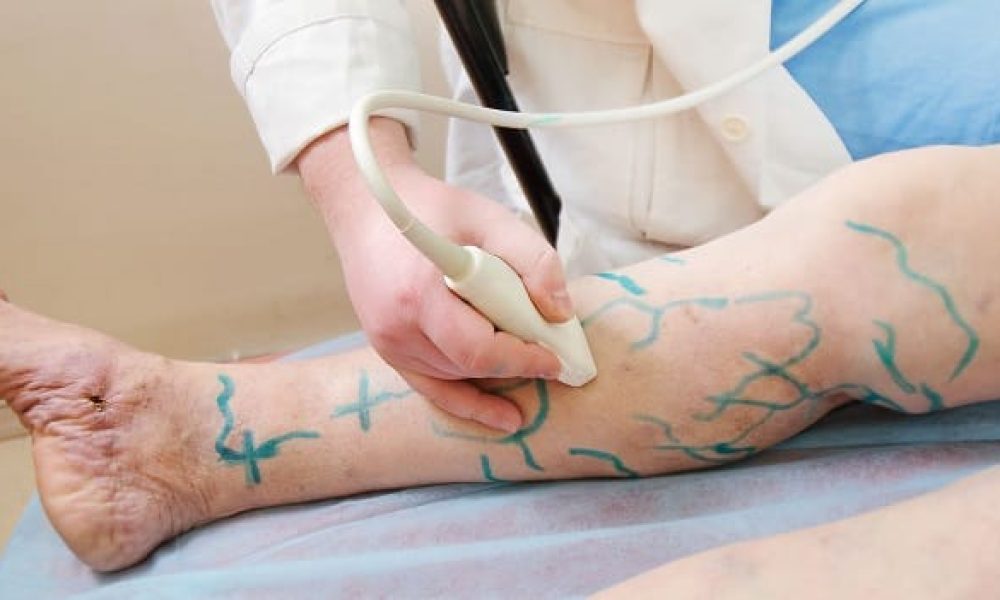
Advanced diagnostics matter. Every serious vein practice relies on duplex ultrasound mapping and reflux testing. These tools clearly show vein function below the surface, guiding precise treatment decisions. Qualified professionals—often board-certified physicians or surgeons—create a personalized care plan after understanding each patient’s unique anatomy and symptoms.
This specialized expertise means fewer complications, better comfort, and lasting results. From initial evaluation to ongoing care, patients receive thoughtful solutions based on medical science rather than appearance alone.
Vein Treatment Options in Utah: From Sclerotherapy to Endovenous Laser
A wide range of minimally invasive therapies offers real relief for vein concerns. Utah’s most trusted vein treatment options address appearance and underlying vein issues, reducing recovery time and lowering risks compared to surgery.
| Procedure | Best For | Outpatient | Typical Recovery | Key Benefits |
| Foam Sclerotherapy | Spider & small varicose veins | Yes | 1–2 days | No incisions; quick relief |
| Endovenous Laser & RFA | Saphenous reflux, larger veins | Yes | 2–7 days | Long-term success; low pain |
| Ambulatory Phlebectomy | Bulging surface varicose veins | Yes | 1–3 days | Immediate results |
Foam Sclerotherapy
This method uses a medicated foam injected directly into affected veins. The foam causes the vein walls to stick together and close off, rerouting blood through healthy veins. It is best for people with spider veins or small varicose veins. Patients usually return to normal activity within one or two days, and side effects are rare.
Endovenous Laser Treatment & Radiofrequency Ablation
Both treatments use heat to seal problematic veins from the inside. A thin catheter delivers laser or radiofrequency energy, causing the vein to collapse and seal. This outpatient procedure involves minimal discomfort and allows most people to resume daily routines within a week. Long-term studies show strong success rates and low recurrence.
Ambulatory Phlebectomy
For bulging surface veins, this option uses tiny skin punctures to remove diseased veins. It is performed under local anesthesia and often pairs well with other treatments. Recovery is swift, with many people back to light activity the next day. Complication rates remain low, and wounds are small and heal quickly.
Modern techniques focus on safety and proven success, allowing most people to regain comfort with minimal downtime.
Preventive Vein Health Strategies Recommended by Utah’s Pros
Small changes can make a big difference in maintaining healthy veins. Utah practitioners emphasize proactive vein health with tips that work for most lifestyles:
- Engage in low-impact cardio such as walking, biking, or swimming for 20–30 minutes, several times a week.
- Elevate legs for 10–15 minutes daily to reduce swelling and improve circulation.
- Choose a balanced diet rich in fiber and low in salt to support vessel health.
- Use compression stockings when standing or sitting for long periods. Layer as needed for extra support without causing discomfort.
Routine checkups help catch early signs of venous relapse. Even with good habits, ongoing medical supervision supports healthy outcomes and reduces the chance of complications.
Selecting Top-Tier Vein Specialists: Credentials, Culture, and Care
Choosing the right vein care team can shape your results. Look for these must-have indicators when comparing providers:
- Board certification in vascular medicine or surgery
- Fellowship training in phlebology (vein disease)
- High procedure volume and published outcomes for ongoing quality
Outstanding vein specialists also offer clear consultations, transparent pricing, and structured follow-up visits. This patient-focused culture builds trust and safety at every visit. Reliable clinics keep lines of communication open, making it easier for patients to ask questions and feel supported throughout their care.
Charting a Future Free from Vein Discomfort
Vein wellness begins with expert evaluation, effective diagnostics, and the right therapy. Leaving symptoms untreated risks progression, but the right care can restore comfort and prevent complications. The best path forward starts with a thorough review by vein specialists Utah, ensuring access to advanced treatments and a caring team. Step into lasting comfort and renewed confidence with help from skilled professionals who prioritize your vein health.




