
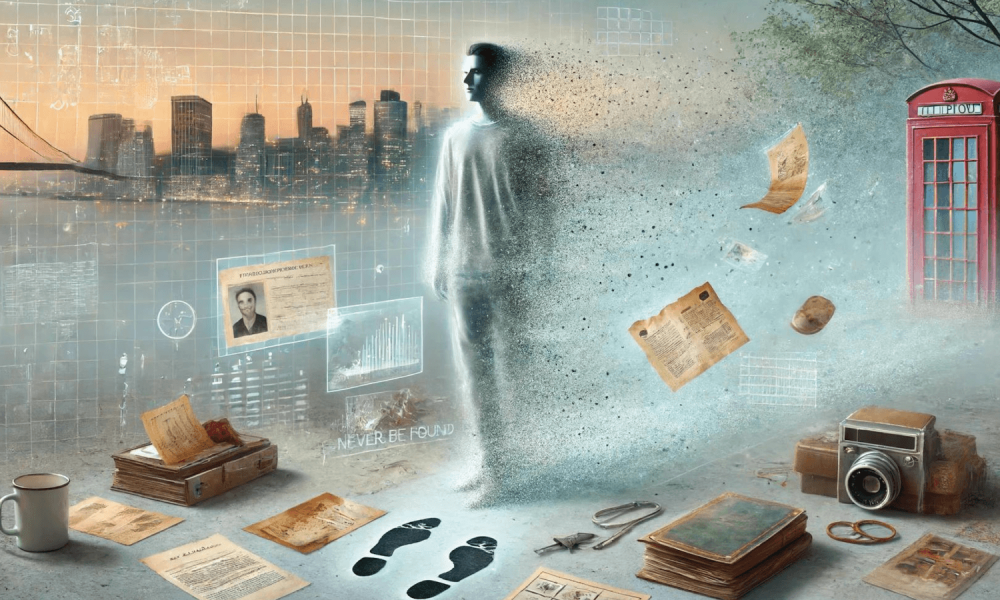
VANCOUVER, British Columbia — In a world where official diplomacy is tightly scripted and governed by protocol, another form of diplomacy operates quietly, effectively, and often without recognition. Known as shadow diplomacy, this realm of influence functions beyond embassies and consulates, trading formality for flexibility, and visibility for discretion. Amicus International Consulting, a global authority on identity change, strategic relocation, and diplomatic advisory services, unveils the intricate mechanisms and power structures that underpin the secretive world of shadow diplomats.
In 2025, diplomacy extends far beyond ambassadors and foreign ministers. Beneath the surface of formal negotiations, a network of unofficial envoys, former officials, business moguls, and politically connected individuals wield enormous influence in shaping international policies and resolving high-stakes disputes—often without the public or media ever knowing.
What Is a Shadow Diplomat?
Shadow diplomats are individuals who exert diplomatic influence without holding official titles. Unlike traditional diplomats, accredited representatives of their governments, shadow diplomats function behind the scenes, using personal connections, wealth, strategic insights, and deep-rooted networks to impact global affairs.
Key Traits:
- Operate without public scrutiny or media attention
- Possess the flexibility to bypass formal diplomatic restrictions
- Engage in sensitive negotiations and backchannel discussions
- Often, former government officials, corporate executives, or elite private citizens
- Unofficial but deeply embedded in policy and decision-making structures
These individuals represent a parallel diplomatic force—unrecognized, unelected, but incredibly effective.
The Mechanics of Shadow Diplomacy
Shadow diplomacy is built on relationships, secrecy, and strategic timing. Unlike traditional envoys, shadow diplomats do not issue press releases or hold press conferences. Instead, they whisper in the right ears, open doors closed to others, and broker deals too delicate for open negotiation.
Forms of Shadow Diplomacy:
- Secret Negotiations – Used to resolve political standoffs or initiate peace talks quietly before public announcements.
- Backchannel Communications – Allow policymakers to test responses or explore compromises without formal commitment.
- Informal Discussions – Conducted in private villas, on yachts, or through secure communication networks, far from the public eye.
- Lobbying International Organizations – Influence decisions within the UN, WTO, or regional blocs through unofficial representatives.
While these methods lack formal oversight, they often lead to breakthrough agreements, trade deals, or discreet security collaborations.
Who Becomes a Shadow Diplomat?
Becoming a shadow diplomat isn’t about title or office but access, influence, and discretion.
Common Backgrounds:
- Former Government Officials – Ministers, ambassadors, or intelligence operatives who maintain influence after leaving office.
- Wealthy Business People – Individuals whose financial contributions open doors and create leverage.
- Private Experts – Specialists in conflict resolution, security policy, trade, or cyber diplomacy.
- Influencers and Networkers – People whose strategic connections place them in rooms where key decisions are made.
The most effective shadow diplomats are those who understand how to operate in silence, balancing power with subtlety.
The Role of Shadow Diplomats Today
Modern global crises—ranging from cyber conflicts and energy security to political assassinations and sanctions evasion—have created a fertile environment for shadow diplomacy. Governments rely on unofficial intermediaries to handle the gray areas of foreign policy that official channels cannot publicly address.
Examples of Shadow Diplomatic Functions:
- Advising Political Leaders – On sensitive issues such as prisoner swaps, secret alliances, or offshore negotiations.
- Brokering Business Deals – Especially when deals involve sanctioned countries or sensitive industries.
- Mediating Between Hostile States – When official negotiations are impossible due to public tensions.
Their unofficial nature provides plausible deniability, making them ideal instruments for testing the waters without risking diplomatic fallout.
The Risks and Controversies
While shadow diplomacy can lead to positive breakthroughs, it raises serious concerns.
Lack of Accountability:
- No formal oversight by voters, legislatures, or media
- No requirement to disclose meetings, deals, or negotiations
- Risk of corruption, conflict of interest, or personal enrichment
Ethical Gray Areas:
- Shadow diplomats often operate in legal loopholes, sometimes blurring the lines between diplomacy and espionage.
- Their influence can be used to advance private agendas, not national interests.
As such, the debate continues: Are shadow diplomats unsung heroes or hidden hazards?
Notable Examples of Shadow Diplomacy in History
Heinz Katz – WWII Germany
Katz operated as a rogue diplomat using bribes and misinformation to shape foreign alliances for Nazi Germany. While effective at first, his exposure created significant diplomatic fallout.
Henry Kissinger – U.S. Cold War Architect
As National Security Advisor, Kissinger’s use of backchannels with China and the Soviet Union laid the groundwork for historic diplomatic openings. While serving officially, his methods were pure shadow diplomacy.
Modern Influencers
Today, shadow diplomats influence digital treaties, global energy contracts, and even climate accords. While many remain anonymous, some hold honorary consul titles, using them to secure immunity and bypass regular scrutiny.
The Criminal Exploitation of Diplomatic Privilege
Not all shadow diplomacy is benign. Criminal organizations have infiltrated this world, exploiting honorary consul appointments and diplomatic cover to:
- Launder money through offshore accounts
- Smuggle weapons or narcotics
- Evade justice by claiming false identities or foreign protections
This criminal infiltration has sparked calls for stricter regulation of honorary consulates, especially in jurisdictions known for lax oversight.
How Individuals Enter the World of Shadow Diplomacy
Entering the secretive realm of shadow diplomacy typically involves a combination of wealth, credibility, and relationship-building.
Pathways Include:
- Building High-Level Networks – Through business, philanthropy, or political donations.
- Offering Valuable Expertise – Such as conflict mediation, trade negotiations, or security intelligence.
- Maintaining Discretion – The best shadow diplomats are rarely seen, never photographed, and seldom quoted.
Amicus International Consulting helps assess individuals who seek to understand or navigate this world lawfully, emphasizing transparency, strategy, and ethical practice.
Lessons from the Shadows
From Cold War negotiations to modern tech alliances, shadow diplomats have shaped the world in meaningful and often misunderstood ways. While their influence is undeniable, their work’s secrecy prompts concerns over democratic accountability, ethics, and global security.
At Amicus International, we study these mechanisms not to exploit them, but to inform clients about the risks, benefits, and legal complexities surrounding informal diplomacy and influence-building.
Amicus International Consulting: Strategic Advisory on Diplomatic Structures
As an established firm specializing in second citizenship, diplomatic advisory, and identity transformation, Amicus International Consulting is uniquely positioned to provide insights into:
- The role of honorary consuls and diplomatic protection
- The use and misuse of diplomatic structures for influence
- Legal pathways for private sector involvement in global diplomacy
- Risks associated with informal diplomatic engagement
Conclusion: Influence Beyond the Podium
The world of diplomacy is not confined to embassies or foreign ministries. Behind the public gestures and protocol lies a second layer of diplomacy, where deals are struck in private and influence is wielded without ceremony.
Shadow diplomats operate in this world—they are hidden, powerful, and largely unregulated. Whether they facilitate peace or enable corruption, their role is fundamental and growing.
Contact the experts at Amicus International Consulting to learn more about shadow diplomacy and how it may affect your business, security, or global mobility.
Amicus International Consulting
📍 Vancouver, British Columbia, Canada
🌐 www.amicusint.ca
📧 [email protected]
📞AMICUS
This press release is for educational and informational purposes only. Amicus International Consulting does not support or facilitate illegal or unethical use of diplomatic privileges. All services offered comply with international laws and diplomatic conventions.