
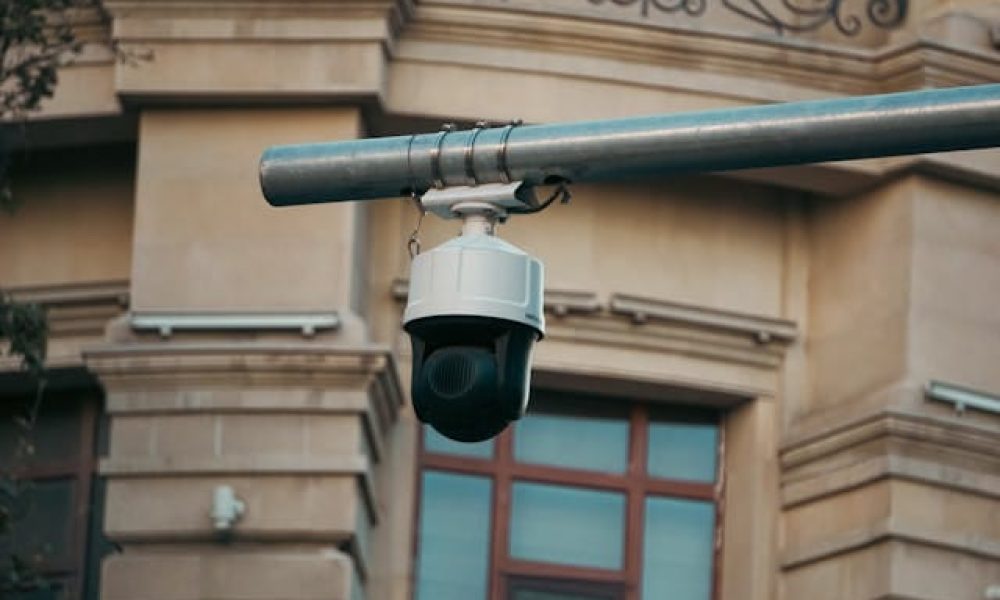
Keeping public spaces safe and functional is a complex challenge. From schools and shopping centers to transit hubs and parks, maintaining order and ensuring safety requires more than just a few security guards and cameras. Today’s surveillance and monitoring systems are smarter, faster, and more nuanced than ever—thanks to modern tools powered by technology.
According to a 2022 report by MarketsandMarkets, the global market for public safety and security was valued at $434 billion and is projected to reach $707 billion by 2026, driven largely by the increasing adoption of surveillance and real-time analytics. Cities and institutions are investing in tech that does more than just record—they’re using tools that detect, analyze, and prevent issues before they escalate.
Here’s a look at the most effective modern tools being used today to monitor public spaces, and why they matter more than ever.
Smart Sensors Are Changing the Game
Traditional cameras and motion detectors still have their place, but newer tools are taking things further. Smart sensors can now detect behavior, environmental changes, and health hazards—often in real time and with more context.
One notable advancement is the use of the vape detector in schools, airports, and other enclosed spaces. These small, discreet devices detect vaping aerosols in areas like restrooms and hallways where cameras can’t legally be installed. When triggered, they send immediate alerts to security personnel or administrators, helping prevent rule violations and promote safer environments. To ensure they perform as effectively as possible, many facilities choose to have these detectors installed professionally, working with experts from reputable firms like Zeptive who understand how to position and calibrate them for the most reliable results.
Other types of smart sensors monitor:
- Air quality and CO2 levels
- Temperature spikes indicating potential fire hazards
- Sudden loud noises or aggressive sounds
- Occupancy to ensure crowd control and social distancing
- Water leaks or flooding in critical infrastructure
These sensors offer both safety and efficiency by addressing issues as they happen—not after the fact.
AI-Powered Surveillance Systems
Modern video monitoring systems aren’t just passive recorders—they actively interpret what they see. AI-driven surveillance uses pattern recognition and behavior analytics to spot anomalies, such as someone loitering too long, crossing into restricted areas, or leaving behind an unattended object.
Some systems can even distinguish between normal and suspicious human behavior, reducing false alarms and helping security teams focus on real threats. With real-time alerts and automated threat detection, security professionals can respond faster and more precisely.
Benefits of AI-based surveillance include:
- Facial recognition (when legally allowed)
- Vehicle tracking in high-traffic areas
- Object recognition and abandoned item alerts
- Real-time crowd density mapping
- License plate recognition for parking enforcement and alerts
These systems are especially useful in transit centers, stadiums, and retail environments where large crowds are present.
Audio Monitoring with Real-Time Alerts
Video doesn’t always capture the full picture. In certain environments, sound is an equally important indicator of potential danger. That’s where audio analytics come in.
Audio monitoring systems are designed to recognize:
- Gunshots or explosive sounds
- Screaming, shouting, or verbal aggression
- Breaking glass or sudden crashes
- Elevated noise levels signaling unrest or panic
When combined with cameras or access control systems, audio alerts help create a more complete safety net. For example, if a sensor picks up a gunshot in a parking garage, it can trigger lockdown procedures or alert nearby patrols instantly—often before anyone has time to make a phone call.
Real-Time Communication Platforms
Monitoring is only half the job—effective response relies on communication. New communication platforms help first responders, security teams, and facility staff coordinate faster and more clearly.
Modern systems now offer:
- Mobile apps with GPS-based team tracking
- Encrypted messaging platforms for secure updates
- Panic buttons and wearable alert devices
- Push-to-talk tools integrated with smart devices
- Automated messaging systems for crowd instructions or emergency alerts
These tools are essential in high-pressure situations like evacuations, natural disasters, or major events. Everyone knows where to go and what to do, which cuts down response times and confusion.
Data Dashboards and Predictive Analytics
It’s not just about seeing what’s happening now—it’s also about predicting what might happen next. Many cities and institutions now rely on centralized dashboards that pull in data from various sources: security cameras, environmental sensors, public health records, and traffic feeds.
When analyzed together, this data helps identify trends or recurring issues. For example, if a particular subway entrance consistently sees overcrowding on Thursdays at 5 p.m., the system can recommend adding patrols or adjusting signage to ease congestion.
Predictive analytics help with:
- Staffing decisions for public safety
- Maintenance schedules for public infrastructure
- Event planning and traffic rerouting
- Early detection of threats or system failures
Final Thoughts
Monitoring public spaces has evolved far beyond simple camera feeds and hourly patrols. Today’s tools—like AI surveillance, audio sensors, and even specialized tech like the vape detector—allow authorities to be proactive, rather than reactive.
The goal isn’t to create a surveillance state—it’s to make public spaces safer, more accessible, and better equipped to serve everyone. When tech is used thoughtfully and with the right oversight, it enhances safety while respecting privacy. And that’s the kind of balance every public space should strive for.




