
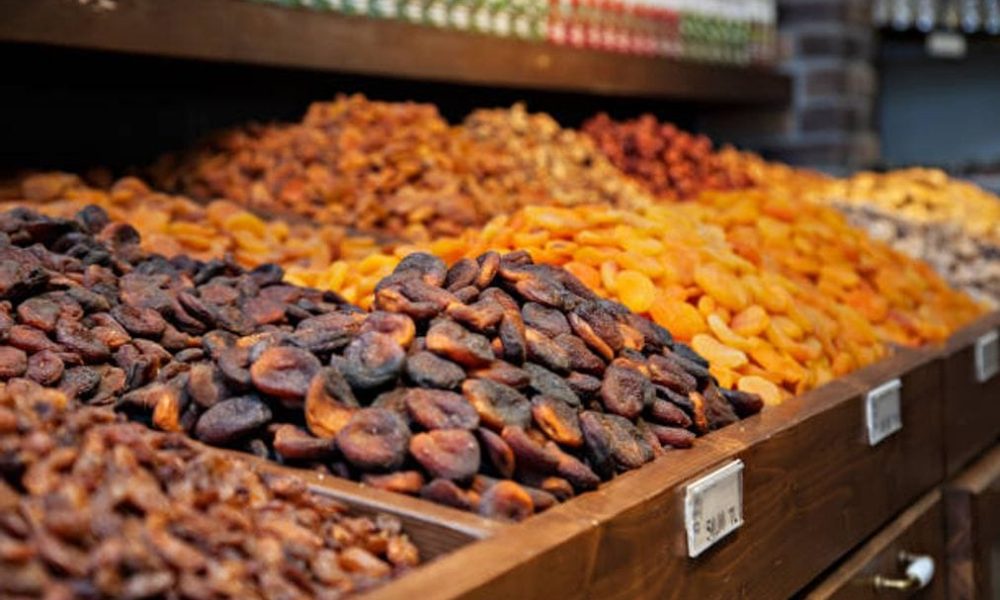
The global dried apricot market poised for substantial growth, projected to reach USD 1.1 billion by 2025 and further surpass USD 1.9 billion by 2035, expanding at a CAGR of 6.4% during the forecast period from 2025 to 2035. This growth is fueled by the increasing consumer inclination towards nutritious and flavorful snack options, along with the expanding range of dried apricot products tailored for the fast-paced lifestyle of modern consumers.
Key Takeaways:
- The global dried apricot market is set to exceed USD 1.9 billion by 2035, driven by a 6.4% CAGR.
- Rising consumer preference for healthy and natural snacks is a major growth factor.
- Expanding applications in the food and beverage industry, including baking, confectionery, and savory dishes, are boosting market demand.
- Organic and preservative-free dried apricots are gaining traction as consumers opt for clean-label products.
- Asia-Pacific and Europe are the dominant markets, with Turkey leading in production and exports.
Get Ahead with Our Report: Request Your Sample Now! https://www.futuremarketinsights.com/report-sample#5245502d47422d3139393531
Market Dynamics and Growth Drivers:
Dried apricots, known for their sweet yet tangy flavor and rich nutrient profile, are a preferred snack option among health-conscious consumers. The growing awareness of natural antioxidants, dietary fiber, and essential vitamins in dried apricots has contributed to the market expansion. Additionally, increasing concerns about artificial preservatives and added sugars have led to a surge in demand for organic and minimally processed dried apricot variants.
The food and beverage industry is a significant driver of market growth, with dried apricots being widely used in the production of baked goods, confectioneries, trail mixes, energy bars, and premium desserts. In addition, they serve as a popular ingredient in traditional cuisines, including Middle Eastern tagines, stews, and rice dishes. The versatility of dried apricots continues to attract innovation in the functional food and nutraceutical segments.
Regional Insights:
- Asia-Pacific: Dominates the global dried apricot market, with Turkey leading production and exports. The region benefits from favorable climatic conditions and a strong supply chain infrastructure for apricot cultivation and processing.
- Europe: A major consumer of dried apricots, with demand rising in Germany, France, and the UK due to increased interest in plant-based, organic, and functional food options.
- North America: Witnessing significant growth, driven by rising health awareness, an expanding vegan population, and increasing popularity of Mediterranean diets.
- Middle East & Africa: A traditional market for dried apricots, particularly in culinary applications and religious festivities.
“Climate change poses significant challenges to apricot production, particularly in key regions like Malatya, Turkey. Extreme weather events and ENSO variability have disrupted yields and supply chains, impacting farmers and exports economically. To address these challenges, stakeholders are increasingly adopting advanced agricultural practices and developing climate-resilient apricot varieties to ensure sustainable and stable production.” – says Nandini Roy Choudhury, Client Partner at Future Market Insights
Fruits and Vegetables Industry Analysis: https://www.futuremarketinsights.com/industry-analysis/fruits-and-vegetables
Competitive Landscape
Established players in the dried apricot market emphasize heavily maintaining supply chain stability and ensuring compliance with evolving regulatory standards, including the EU’s stringent pesticide residue limits.
Companies such as Anatolia and ZIBA Foods are investing in organic certifications and innovative processing technologies to cater to the increasing demand for clean-label products. Additionally, these players leverage their vast distribution networks and partnerships with global retailers to dominate high-value markets such as the USA, EU, and Japan.
Startups such as Nature’s Glory Foods and Apricot Labs are setting the market ablaze with advanced providing, such as flavored dried apricots, premium packaging, and the practice of sustainable sourcing. It usually targets niche segments of vegan or health-conscious consumers that also focus on direct-to-consumer sales through e-commerce platforms.
Mergers and acquisitions have also played a role in shaping the competitive landscape. Major players have acquired smaller organic-emphasize brands to diversify their product portfolios and enter new markets. Turkey-based companies have partnered with local producers in emerging markets such as India and China to strengthen their foothold and mitigate export risks posed by stricter regulations in developed economies.
Additionally, innovation continues to be the building block for growth. Innovative products, for example, from established companies include apricot snack bars, apricot blends with nuts, and sugar-free to meet the current consumer trends. Research and development investments in technologies related to sustainable farming and processing help companies stay competitive globally in an environment of rising regulatory pressures.
Access the Full Report Dried Apricot Market Trends and Projections Now! https://www.futuremarketinsights.com/reports/dried-apricot-market
Key Market Players
- King Apricot
- BATA FOOD
- Kenko Corporation
- National Raisin Company
- Dag Dried Food Agricultural Products Co & Ltd
- Quirkey Cots
- Anatolia
- ZIBA FOODS
- KAYISICIOGLU
Dried Apricot Market Segmentation
By Product:
In terms of product, the dried apricot market is segmented into organic dried apricots and conventional dried apricots.
By Form:
In terms of form, the market is segmented into powdered, whole-dried, and diced/granular.
By Distribution Channel:
In terms of distribution channel, the market is segmented into online, supermarkets/hypermarkets, convenience stores, and others.
By Region:
In terms of region, the market is divided into Asia Pacific, Europe, North America, Latin America, and the Middle East & Africa.




