
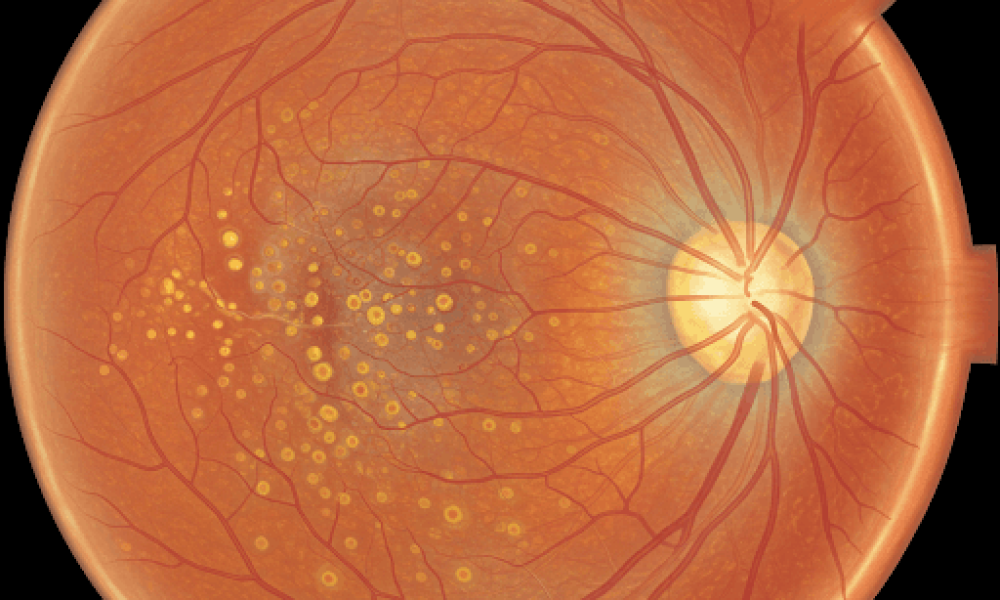
The global proliferative diabetic retinopathy (PDR) market was valued at USD 2.5 billion in 2022 and is projected to grow at a CAGR of 8.5%, reaching approximately USD 5.2 billion by 2031, according to a recent report by Transparency Market Research (TMR). The increasing prevalence of diabetes, rapid technological advancements in surgical treatments, and growing awareness of early disease detection are key factors driving market growth.
Proliferative diabetic retinopathy (PDR) is the most advanced stage of diabetic retinopathy, where abnormal blood vessel growth in the retina can cause vision loss or blindness. The market is expanding as early diagnosis and effective treatments, including anti-VEGF therapies, laser procedures, and gene therapy research, become more widely adopted. Leading companies are focusing on innovative drug formulations, AI-driven diagnostics, and advanced surgical instruments to improve patient outcomes.
Get a concise overview of key insights from our Report in this sample – https://www.transparencymarketresearch.com/sample/sample.php?flag=S&rep_id=40637
Market Overview
PDR is a serious complication of diabetes, often caused by high blood sugar levels, high cholesterol, and hypertension. It can lead to severe conditions like vitreous hemorrhage, retinal detachment, and permanent blindness.
The market is segmented based on drug class, mode of administration, distribution channel, and region. The drug class segment includes anti-VEGF agents and corticosteroids, both of which are widely used in treatment. By mode of administration, the market is categorized into injectable, oral, and others, with injectables being the most commonly preferred due to their effectiveness. In terms of distribution channels, the market comprises hospital pharmacies, retail pharmacies, and online pharmacies, each playing a crucial role in ensuring treatment accessibility.
Regionally, North America continues to dominate the market due to advanced healthcare infrastructure, high awareness, and government initiatives, while Asia-Pacific and Europe are witnessing rapid growth driven by an increasing diabetic population and rising healthcare investments.
Key Growth Drivers
The global increase in diabetes cases is a major factor fueling the proliferative diabetic retinopathy market. Sedentary lifestyles, poor dietary habits, and increasing obesity rates contribute to the growing diabetic population, which in turn leads to more cases of diabetic eye diseases. According to the Centers for Disease Control and Prevention (CDC), diabetic retinopathy is expected to affect 16 million people in the U.S. by 2050. Studies show that intensive blood glucose management can reduce the risk of diabetic retinopathy by 27%, highlighting the importance of early diagnosis and treatment.
As the global geriatric population grows, the prevalence of diabetic retinopathy is also increasing. Older adults with long-standing diabetes are more likely to experience vision loss due to delayed screening and disease progression. Governments and healthcare providers are focusing on improving access to eye care and promoting early detection programs to prevent complications.
Technological advancements in diabetic retinopathy treatments are transforming patient care. AI-driven diagnostics, robotic-assisted surgeries, and precision drug formulations are improving PDR detection and treatment outcomes. AI-based retinal imaging is enabling early-stage detection, gene therapy is being explored to inhibit abnormal blood vessel growth, and minimally invasive laser and surgical procedures are enhancing recovery time. In June 2023, Eyenuk received FDA clearance for its EyeArt AI system, which autonomously detects diabetic retinopathy using AI technology. This innovation is expected to improve screening accessibility, particularly in rural and underserved areas.
Access important conclusions and data points from our Report in this sample – https://www.transparencymarketresearch.com/sample/sample.php?flag=S&rep_id=40637
Regional Outlook
According to the latest proliferative diabetic retinopathy market analysis, North America led the global market in 2022. Factors such as high awareness, advanced healthcare infrastructure, and government-backed initiatives have contributed to its dominant position. The National Institutes of Health (NIH) projects that 440 million people worldwide (7.7% of the global population) will have diabetes by 2030, with Asia-Pacific and Europe experiencing the fastest growth in diabetes-related vision disorders. As a result, healthcare investments and diabetic retinopathy treatment programs in these regions are increasing to address the growing disease burden.
Competitive Landscape
The proliferative diabetic retinopathy market is highly competitive, with leading players focusing on drug development, AI-powered diagnostics, and gene therapy research. Regulatory approvals and clinical trials are shaping the market, as companies aim to introduce next-generation treatments.
Key players in the market include Genentech, Inc., Novartis AG, Regeneron Pharmaceuticals, Inc., Pfizer Inc., Merck KGaA, Cipla Inc., AbbVie Inc., Bausch Health Companies Inc., Santen Pharmaceutical Co., Ltd., Alimera Sciences, and Intas Pharmaceuticals Ltd. These companies are actively working on FDA approvals, new product launches, and strategic collaborations to strengthen their presence in the industry.
Key Industry Developments
In August 2023, Regeneron Pharmaceuticals received FDA approval for EYLEA HD (aflibercept) Injection 8 mg, a high-dose treatment for diabetic retinopathy, diabetic macular edema, and wet age-related macular degeneration (wAMD). This approval marks a significant advancement in treatment options for patients with vision-threatening diabetic eye diseases.
In June 2023, Eyenuk gained FDA clearance for its AI-based EyeArt system, which enables autonomous diabetic retinopathy detection using the Topcon NW400 retinal camera. The technology enhances early screening and diagnosis, reducing reliance on specialized ophthalmologists.
In April 2023, Novartis AG launched a next-generation corticosteroid-based therapy targeting diabetic eye inflammation and abnormal blood vessel growth, further expanding its diabetic retinopathy treatment portfolio.
Buy this Premium Research Report to access comprehensive analysis – https://www.transparencymarketresearch.com/checkout.php?rep_id=40637<ype=S
Future Outlook
The proliferative diabetic retinopathy market is poised for significant growth, driven by advancements in AI diagnostics, gene therapy, and minimally invasive surgical techniques. The rise of precision medicine and personalized treatment approaches will further enhance patient outcomes and treatment efficacy.
With increasing global awareness of diabetes-related vision loss, governments and healthcare organizations are expected to prioritize early screening programs and innovative treatment strategies, making PDR management more accessible and effective worldwide.
About Transparency Market Research
Transparency Market Research, a global market research company registered at Wilmington, Delaware, United States, provides custom research and consulting services. Our exclusive blend of quantitative forecasting and trends analysis provides forward-looking insights for thousands of decision makers. Our experienced team of Analysts, Researchers, and Consultants use proprietary data sources and various tools & techniques to gather and analyses information.
Our data repository is continuously updated and revised by a team of research experts, so that it always reflects the latest trends and information. With a broad research and analysis capability, Transparency Market Research employs rigorous primary and secondary research techniques in developing distinctive data sets and research material for business reports.
Contact:
Transparency Market Research Inc.
CORPORATE HEADQUARTER DOWNTOWN,
1000 N. West Street,
Suite 1200, Wilmington, Delaware 19801 USA
Tel: +1-518-618-1030
USA – Canada Toll Free: 866-552-3453
Website: https://www.transparencymarketresearch.com
Email: [email protected]
Follow Us: LinkedIn| Twitter| Blog | YouTube




