Geofoam Market Size
Global Geofoam Market reached US$ 0.9 billion in 2022 and is expected to reach US$ 1.4 billion by 2031, growing with a CAGR of 6.4% during the forecast period 2024-2031.
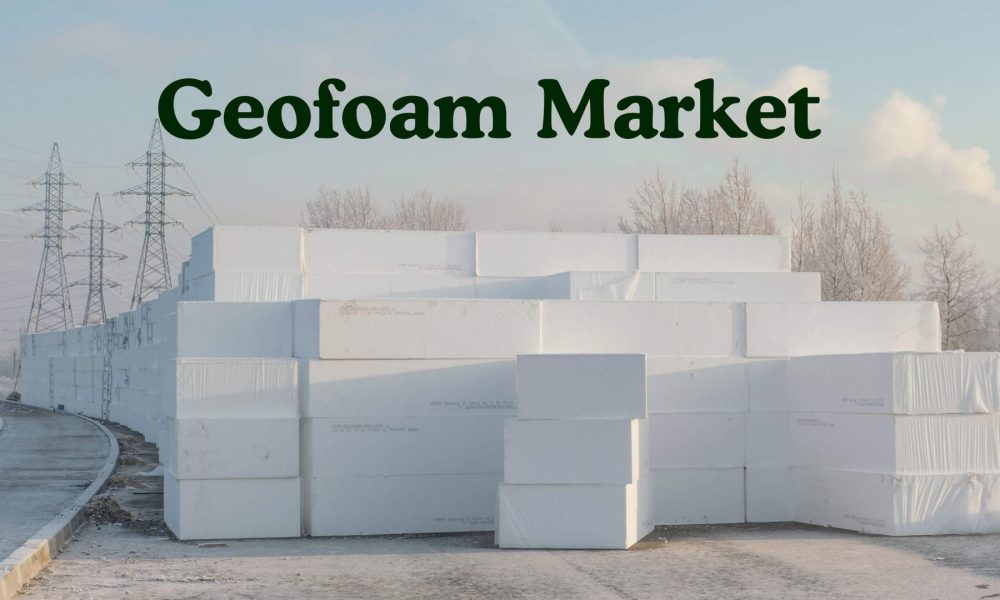
Geofoam is a lightweight fill material made from expanded polystyrene (EPS) foam, widely used in geotechnical and civil engineering applications. It serves as an alternative to traditional fill materials, offering reduced weight, improved insulation, and cost-efficiency. Geofoam is commonly used to fill voids, stabilize slopes, and provide support in areas such as road and railway embankments, bridge abutments, and landfill covers.
The global geofoam market is experiencing steady growth, driven by rapid urbanization, increasing infrastructure development, and the need for sustainable, lightweight construction solutions. Its adoption is bolstered by the benefits of reduced load on underlying soils, lower transportation costs, and faster installation times compared to conventional fill materials. Innovations in manufacturing processes and rising environmental concerns have further fueled demand, as geofoam not only minimizes structural loads but also contributes to energy efficiency and environmental protection.
Download Free Sample PDF: https://www.datamintelligence.com/download-sample/geofoam-market
Market Growth Drivers:
Geofoam, a lightweight material made from expanded polystyrene (EPS), has become an essential component in modern infrastructure development and urbanization. Its unique properties—low density, high compressive strength, and excellent thermal insulation—make it ideal for applications such as lightweight fill, slope stabilization, and embankment construction.
As governments worldwide invest heavily in roads, highways, bridges, tunnels, and other urban projects to drive economic growth, the demand for efficient, cost-effective construction materials is on the rise. With global infrastructure spending projected to reach US$94 trillion by 2040, geofoam’s benefits in reducing structural loads, lowering transportation costs, and speeding up installation times position it as a strategic solution for sustainable urban expansion and resilient construction.
Beyond traditional construction, geofoam is increasingly recognized for its role in disaster management and environmental sustainability. Its lightweight nature reduces the overall load on structures, enhancing resistance to seismic events and other natural hazards—a critical factor in regions prone to earthquakes and floods. Additionally, as a recyclable material, geofoam contributes to lowering the carbon footprint associated with conventional fill materials, aligning with eco-friendly building practices.
However, despite its clear advantages, geofoam faces challenges due to limited awareness among contractors and engineers, coupled with higher initial costs compared to traditional materials. Overcoming these barriers through targeted educational initiatives and cost optimization strategies will be key to unlocking its full market potential in the evolving construction landscape.
Market Segments:
By Type: Expanded Polystyrene, Extruded Polystyrene.
By Application: Structure Foundation, Embankments, Slope Stabilization, Insulation, Retaining Structures, Others.
By End-User: Road & Highway Construction, Building & Infrastructure, Airport Runway & Taxiways, Others.
Competitive Landscape
- Carlisle
- Amvic Building Systems
- Atlas Roofing Corporation
- Insulation Company of America
- Jablite
- ThermaFoam, LLC
- Expol
- Airfoam
- Harbor Foam
- Plasti-Fab Ltd
Customize Your Scope: https://www.datamintelligence.com/customize/geofoam-market
Regional Growth
The Asia-Pacific region, in particular, has experienced significant growth in construction activities driven by rapid urbanization, rising population, and increasing disposable incomes. This surge in residential, commercial, and infrastructure projects has created an ideal market environment for geofoam. For instance, the Asian Development Bank (ADB) projects that the construction industry in the region will grow at an average annual rate of 6.2% from 2020 to 2025, providing robust momentum for geofoam demand.
In addition, governments across the Asia-Pacific are launching ambitious infrastructure initiatives to boost economic growth and enhance connectivity. Projects like China’s Belt and Road Initiative, India’s National Infrastructure Pipeline, and various regional development plans in Southeast Asia are key drivers behind this trend. Geofoam is widely used in these projects for applications such as road and railway embankments, bridge approaches, and underground structures. Government investment reports and development plans consistently highlight the increasing commitment to infrastructure spending, which in turn is fueling the demand for geofoam in the region.
For Detailed Report: https://www.datamintelligence.com/enquiry/geofoam-market




