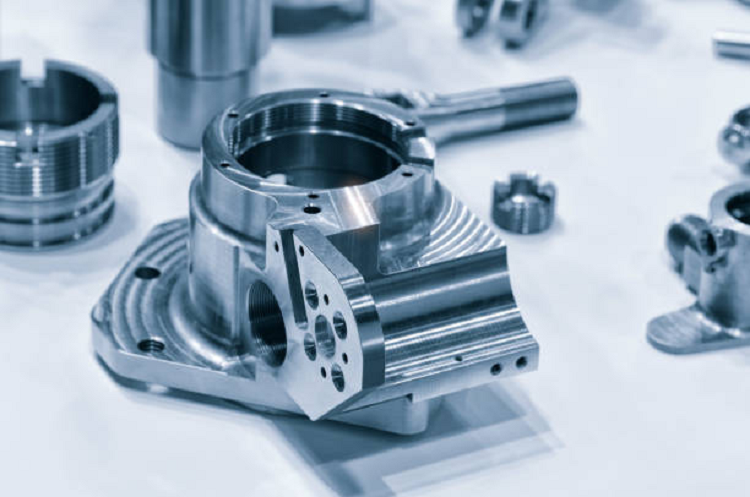
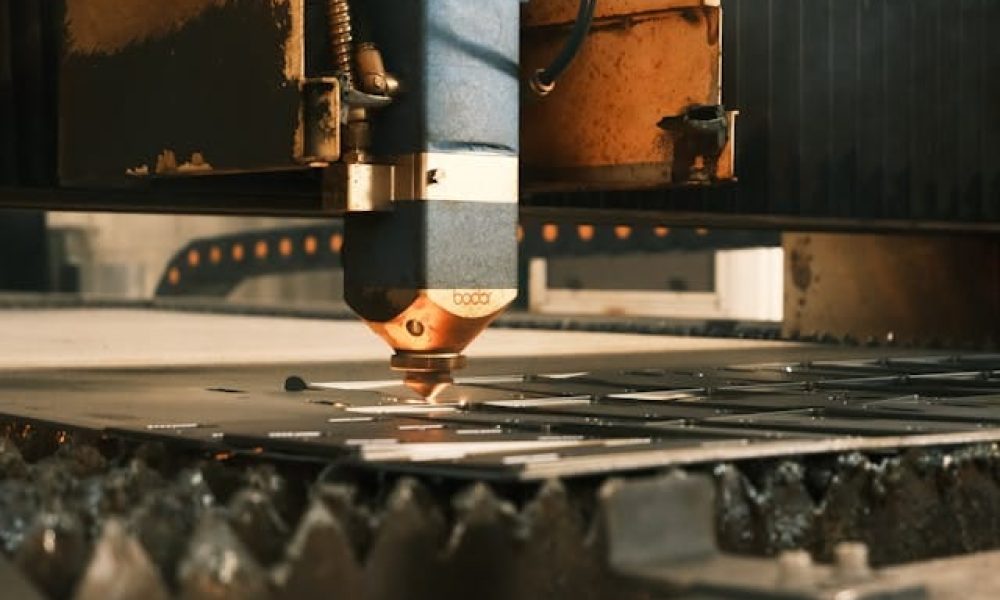
Laser cutting has become the preferred method for manufacturing stoves because of its accuracy, efficiency, and ability to handle complex designs. Whether creating a wood-burning stove, rocket stove, or compact camping model, laser-cut components ensure precise assembly, better airflow control, and long-term durability.
A well-prepared stove laser cutting drawing is essential for a smooth manufacturing process. It not only defines the exact dimensions of each part but also includes crucial details such as bending lines, engraving guides, and air vents. This guide explores the fundamental aspects of stove laser cutting drawings, covering material selection, design principles, and optimization techniques for CNC laser machines.
How laser cutting improves stove design and performance
Before laser cutting, stove manufacturing relied heavily on manual cutting, welding and grinding. These traditional methods often resulted in inconsistencies between units, requiring extensive adjustments during assembly. In addition, hand-cut parts lacked the precision needed for efficient combustion and proper heat distribution.
With laser technology, manufacturers and do-it-yourselfers can create intricate and precisely measured components. Digital, vector-based drawings eliminate human error and ensure that each piece fits together perfectly. This is especially important for modern stove designs that use optimized airflow systems to maximize combustion efficiency while minimizing emissions.
Another major advantage of laser cutting is material optimization. With intelligent nesting techniques, components can be efficiently arranged on sheets, significantly reducing material waste and cutting costs.
Key Aspects of a Well-Designed Furnace Cutting Drawing
1. Accuracy and layer organization
In order for a laser cutter to interpret a design correctly, the file must be organized into distinct layers:
- Cutting Paths – Define the primary components of the oven, such as panels and support structures.
- Engraving Lines – Used for branding, part labels, or alignment guides.
- Bend Lines – Indicate bend points for furnaces with press-brake formed components.
A properly layered design ensures that each operation is performed in the correct sequence, eliminating potential cutting errors.
2. Choosing the right material
The choice of material has a direct impact on the efficiency, durability, and weight of a stove. Here’s a breakdown of the most commonly used metals:
- Mild Steel (2mm-5mm) – Durable and easy to work with, often used for rocket stoves and wood-burning stoves.
- Stainless Steel (1.5mm-4mm) – Corrosion resistant, ideal for portable camping stoves and outdoor cooking appliances.
- Aluminum (2mm-3mm) – Lightweight, but requires careful heat management to prevent warping.
Choosing the right thickness ensures structural stability while avoiding excessive weight.
3. Airflow and Heat Optimization
Efficient combustion depends on proper air and heat flow. In laser-cut designs, carefully placed intake holes and exhaust vents allow for
- Improved oxygen delivery, improving fuel efficiency.
- Controlled temperature regulation, preventing overheating.
- Reduced smoke production, making stoves safer for indoor and outdoor use.
For example, rocket stoves require strategically placed secondary air channels to achieve near-complete fuel combustion, while pizza ovens require curved interior surfaces to maintain consistent baking temperatures.
Common types of ovens designed for laser cutting include
1. Rocket Stoves – High efficiency, low fuel consumption
Rocket stoves are designed to produce intense heat with minimal fuel consumption. They feature a vertical combustion chamber, insulated riser, and air-flow controlled intake.
Laser-cut versions include precise interlocking parts that eliminate the need for welding, making them easy to assemble. They are widely used for outdoor cooking, emergency preparedness and survival applications.
2. Portable camping stoves – lightweight and collapsible
Designed for outdoor use, camping stoves emphasize portability and efficiency. Modern laser-cut designs use folding stainless steel panels with interlocking mechanisms that allow for quick assembly without tools.
Many feature removable grates and adjustable vents, making them adaptable to different fuel types and cooking styles.
3. Wood stoves – reliable heating solutions
These stoves are commonly used for heating homes, cabins and off-grid living. Their fireboxes, chimney outlets, and ash management systems must be cut with precision to ensure safe and efficient operation.
Unlike traditional stoves that rely on welded construction, laser-cut tab and slot systems allow for faster assembly while maintaining structural integrity.
4. Pizza Ovens – Precision Heat Control
Laser-cut pizza ovens require curved and perforated components to ensure even heat distribution. The precision of laser cutting technology allows for seamless dome construction, which is critical for consistent high temperature baking.
Stainless steel is the preferred material due to its heat resistance and durability.
Optimizing drawings for CNC laser cutting
Even with a well-designed furnace model, small errors in the digital cutting file can lead to costly mistakes. Here’s how to avoid them:
1. Eliminate common design errors
A common problem in cutting files is the presence of duplicate or overlapping lines, which can cause unnecessary cuts and material waste. Before sending a design to manufacturing, it’s important to clean up the file and make sure all paths are properly defined.
2. Adjusting the Laser Pitch
When a laser cuts through metal, it removes a small amount of material, called the kerf width. This varies depending on the type of laser, power settings, and material thickness.
Ignoring the kerf can result in loose-fitting or overly tight parts that make assembly difficult. Adjusting the cutting paths accordingly will ensure perfectly fitting interlocking components.
3. Use nesting techniques to reduce material waste
To maximize efficiency, parts should be strategically placed on the sheet to minimize wasted space.
- Common line cutting reduces the number of cuts required.
- Heat distortion prevention ensures that parts are spaced far enough apart to avoid warping.
These techniques improve cost efficiency and reduce production time.
Where can I find high quality laser cutting drawings?
For those interested in laser cutting stoves, digital design files can be obtained from a number of sources:
- Custom CAD services, where professionals create custom designs based on specific needs.
- Open source communities where enthusiasts share DIY stove plans for experimentation and home use.
Using tested and optimized drawings ensures seamless fabrication and efficient performance.
Bottom line
Laser-cut stoves offer precision, efficiency, and scalability, making them the preferred choice for manufacturers and do-it-yourselfers alike. Whether designing a camp stove, wood stove, or advanced rocket stove, properly structured cutting drawings play a critical role in ensuring successful fabrication and long-term durability.
By focusing on material selection, airflow design, and CNC optimization, it’s possible to create high-performance stoves that maximize fuel efficiency while minimizing waste.
For those involved in stove design and production, investing time in refining laser cutting drawings is key to producing high-quality, efficient heating solutions.