
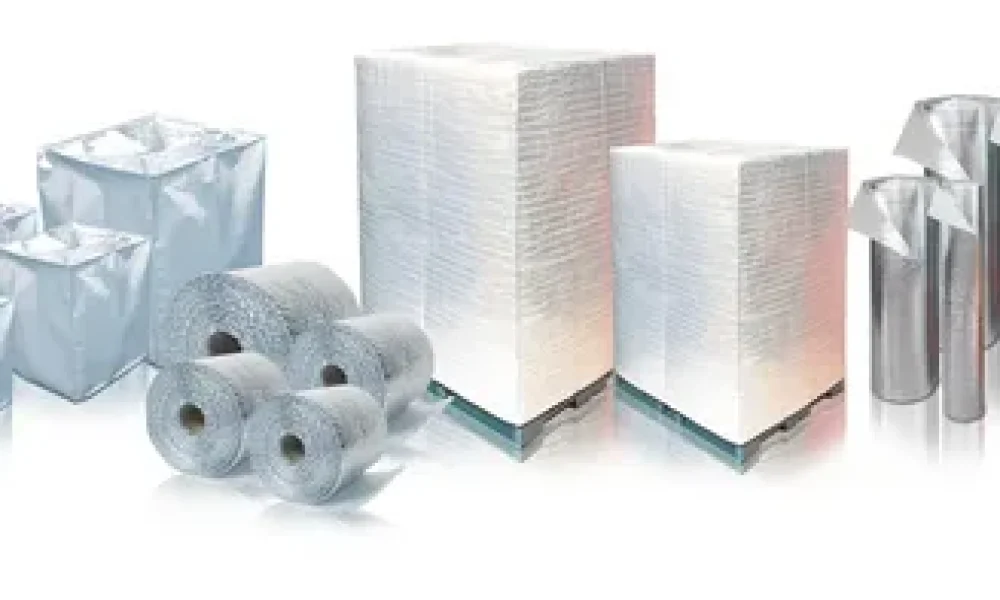
The Thermal Insulation Packaging Market is growing due to the increasing need for temperature-sensitive goods in industries like pharmaceuticals, food & beverages, chemicals, and electronics. Thermal insulation packaging ensures product integrity by maintaining the required temperature range during storage and transportation.
Future trends include the development of eco-friendly, biodegradable, and recyclable insulation materials, enhanced temperature monitoring technologies, and the use of smart packaging solutions for real-time tracking. With the rise of cold chain logistics and e-commerce, the demand for effective thermal protection is expected to grow significantly. North America and Europe remain key markets, with the Asia-Pacific region expanding rapidly due to increased manufacturing and consumption.
The global thermal insulation packaging industry is on track for significant expansion, with an expected revenue of USD 77.4 billion in 2023 and projected to grow at a steady compound annual growth rate (CAGR) of 13.5%. By 2033, the market is anticipated to exceed USD 274.8 billion, driven by the growing demand for reliable, temperature-sensitive packaging solutions across industries like food & beverage and pharmaceuticals.
Get a Sample PDF of the Report:
Key Drivers of Market Growth
- Rising Demand for Temperature: Sensitive Products: The global distribution of food and pharmaceuticals, which require strict temperature control, is driving the need for advanced thermal insulation packaging. Regulatory bodies are emphasizing compliance to ensure product integrity throughout the supply chain.
- Technological Advancements: The integration of advanced technology into thermal insulation packaging is enhancing safety and temperature monitoring capabilities. Data loggers with temperature sensors and USB connections are becoming commonplace, providing continuous temperature tracking and comprehensive data summaries. Products such as BIOmed Xpress PDF Temperature Monitoring Label, PakSense, Cold Chain Logger CCL100, Vaisala, and TempTRIP are leading the way in this segment.
- Regulatory Compliance: Increased regulatory scrutiny on temperature-sensitive products is pushing manufacturers to adopt more reliable thermal insulation packaging solutions. The growing need for detailed temperature monitoring during transit has become crucial for ensuring regulatory compliance and product quality.
Key Trends in Thermal Insulation Packaging
- Advanced Materials for Better Insulation
The market has seen significant innovations in the materials used for thermal insulation packaging. Advanced materials like vacuum-insulated panels (VIPs), expanded polystyrene (EPS), and polyurethane foam have emerged as popular options for enhancing thermal performance while reducing the overall weight of packaging. - Sustainable Packaging Solutions
The growing focus on sustainability has led to an increase in demand for eco-friendly thermal insulation materials. Packaging manufacturers are exploring biodegradable and recyclable alternatives to traditional materials like EPS, responding to both environmental concerns and regulatory pressures. - Smart Packaging Integration
Smart technologies, such as temperature sensors and real-time tracking systems, are becoming integrated into thermal insulation packaging solutions. These innovations provide greater visibility throughout the supply chain, allowing stakeholders to monitor temperature fluctuations and ensure that products remain within the desired temperature range. - Rising E-commerce Influence
The growth of e-commerce and online food delivery services is also contributing to the rise in demand for thermal insulation packaging. Consumers now expect temperature-sensitive products to be delivered safely and in optimal condition, further boosting the demand for advanced thermal insulation solutions.
Technological Innovations Enhancing Industry Growth
The market is witnessing a surge in the adoption of data loggers that incorporate advanced technologies such as RFID, WiFi, and GPS. These innovations provide real-time information on temperature fluctuations, ensuring that products remain within approved temperature ranges throughout their journey. Battery-powered data loggers are particularly beneficial, offering continuous monitoring and immediate alerts in case of temperature excursions.
Market Drivers, Opportunities, and Trends:
- Growth Factors: The expansion of the food and beverage industry, coupled with the flourishing pharmaceutical sector and vaccine manufacturing, drives market growth.
- Opportunities: The rise of online food delivery platforms and increased sales of comfort food items, along with enhanced packaging lines, create new opportunities for the market.
- Key Trends: Vendors are producing specially customized insulated packaging solutions tailored to different pharmaceutical requirements, reflecting the evolving trends in the market.
Key Players
- Emball’ISO
- Sonoco ThermoSafe
- Pelican Products, Inc.
- Cold Chain Technologies, Inc.
- Sofrigam SAS
- CSafe Global, LLC
- Insulated Products Corporation
- Cryopak Industries Inc.
- Snyder Industries, Inc.
- va-Q-tec AG
- Inmark LLC
- DGP Intelsius Ltd.
- Softbox Systems Ltd.
- Envirotainer Ab
- Aeris Dynamics Pte Ltd
- others
Recent Market Developments
- Sonoco ThermoSafe has launched its different temperature control packaging solutions. Such as parcel solutions, pallet solutions, rental solutions, and even insulated shippers. The company caters to regions like North America, Europe, Asia Pacific, and South America.
- Sofrigam SAS has added its track and trace service for the various pallet and parcel shippers. The brand also uses reusable containers for higher sustainability.
Explore Function-driven Packaging Insights
Key Segments Covered
Packaging Type:
- Passive Packaging
- Single-use or One-way Use Packaging
- Multiple Use or re-usable Packaging
- Active Packaging
- Reefer trucks and Containers
- Active Pallet Containers
- Cold Storage
- Refrigerators
- Freezers
Insulation Material:
- EPS
- PUR
- VIP
- PCM
- Others
Temperature Range:
- Less than -40°C
- -20 to -40°C
- -1 to -20°C
- 0 to 10°C
- 10 to 25 °C
Application:
- Food and Beverage
- Pharmaceuticals
- Vaccines
- Blood Banking
- Others
- Others




